Trump says Iran talks in final stages as deal deadline nears
Iran was still reviewing Washington’s latest proposal as Trump warned the talks could turn “a little bit nasty” if the remaining gaps were not closed.
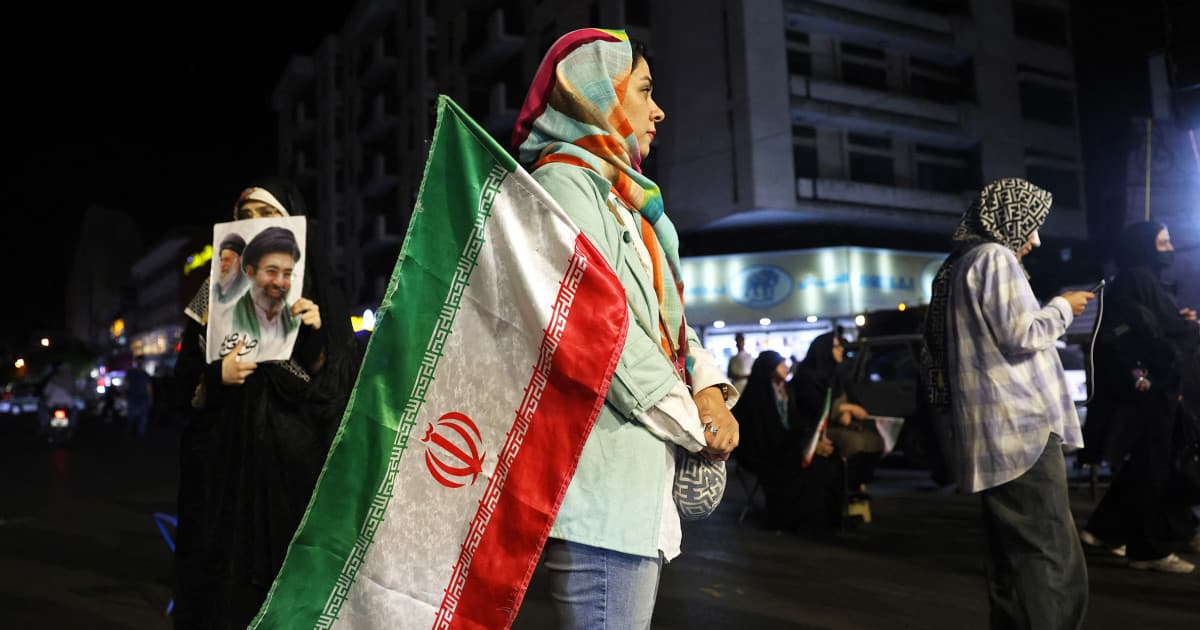
The latest round of diplomacy narrowed the space between Washington and Tehran, but it did not erase the core fight over enrichment, sanctions and control of the Strait of Hormuz. Iran was reviewing the United States’ latest proposal, and a semiofficial Iranian outlet said the gaps between the two sides had “reduced to some extent” as negotiators tried to avert another military escalation.
Donald Trump said he was prepared to wait only “a few days” for “the right answers” from Tehran, while still keeping renewed military action on the table. He said the talks were in their “final stages,” but warned the situation could get “a little bit nasty” if no agreement was reached. The comments underscored how close the two sides may be to a framework, and how far they remain from a durable settlement.
Pakistan emerged as the key intermediary. Field Marshal Asim Munir, the commander of Pakistan’s army, was expected to travel to Tehran on Thursday as part of efforts to keep the talks moving. Tehran said it had received Washington’s views and was reviewing them, while Pakistan continued to shuttle messages between the two sides. Munir’s diplomatic role followed his meeting with JD Vance in Islamabad last month.

The unresolved terms are specific and substantial. Reporting on the U.S. proposal indicated that Washington wanted Iran to halt uranium enrichment for at least 12 years and hand over about 440 kilograms of uranium enriched to 60 percent. In return, the framework reportedly offered phased sanctions relief and the release of frozen Iranian assets. It also tied progress to reopening the Strait of Hormuz within 30 days, placing the strategic waterway at the center of both the security and economic bargain.
Iran has not formally accepted the proposal, and lawmakers and officials have pushed back publicly. That resistance reflects the legacy of Trump’s decision to withdraw the United States from the 2015 nuclear deal in 2018, a rupture that still shapes Tehran’s demand for stronger guarantees. The dispute has also rattled energy markets, with oil prices surging during the conflict even as Brent crude slipped below $105 a barrel on Thursday.

The war began on February 28 with U.S. and Israeli airstrikes, and a ceasefire took effect on April 8. Nearly three months later, the diplomacy is producing movement, but the central question remains whether it is creating substance or only momentum.
This article was produced by Prism’s automated news system from verified source data, official records, and press releases, then run through automated quality and moderation checks before publishing. The system is built and supervised by the people who set the standards it runs under. Read our full AI policy.
Did this article answer your question?


