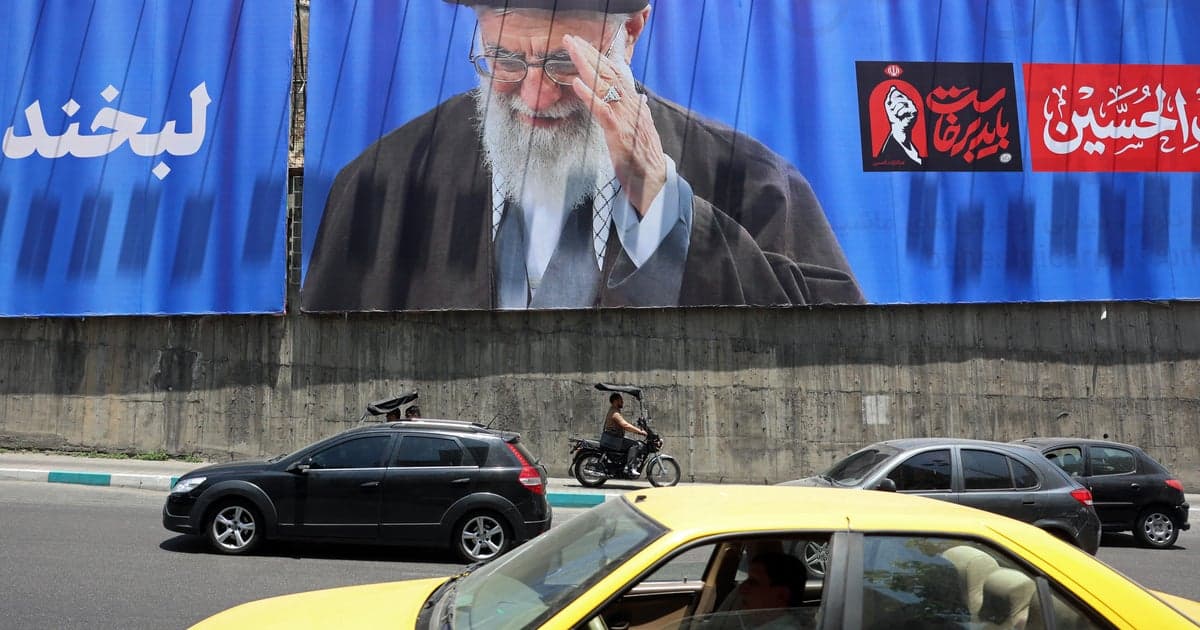
Trump says Iran war, Hormuz blockade will continue until nuclear concessions
Gas prices and freight costs are climbing as Trump says the Iran war and Hormuz blockade will stay in place until Tehran gives up its nuclear program.
A blocked Strait of Hormuz is turning into a kitchen-table problem for American families, with higher gasoline, freight and grocery costs landing alongside a widening war bill. President Donald Trump said the conflict would continue unless Iran accepts a nuclear surrender, declaring, “At this moment, there will never be a deal unless they agree that there will be no nuclear weapons.”
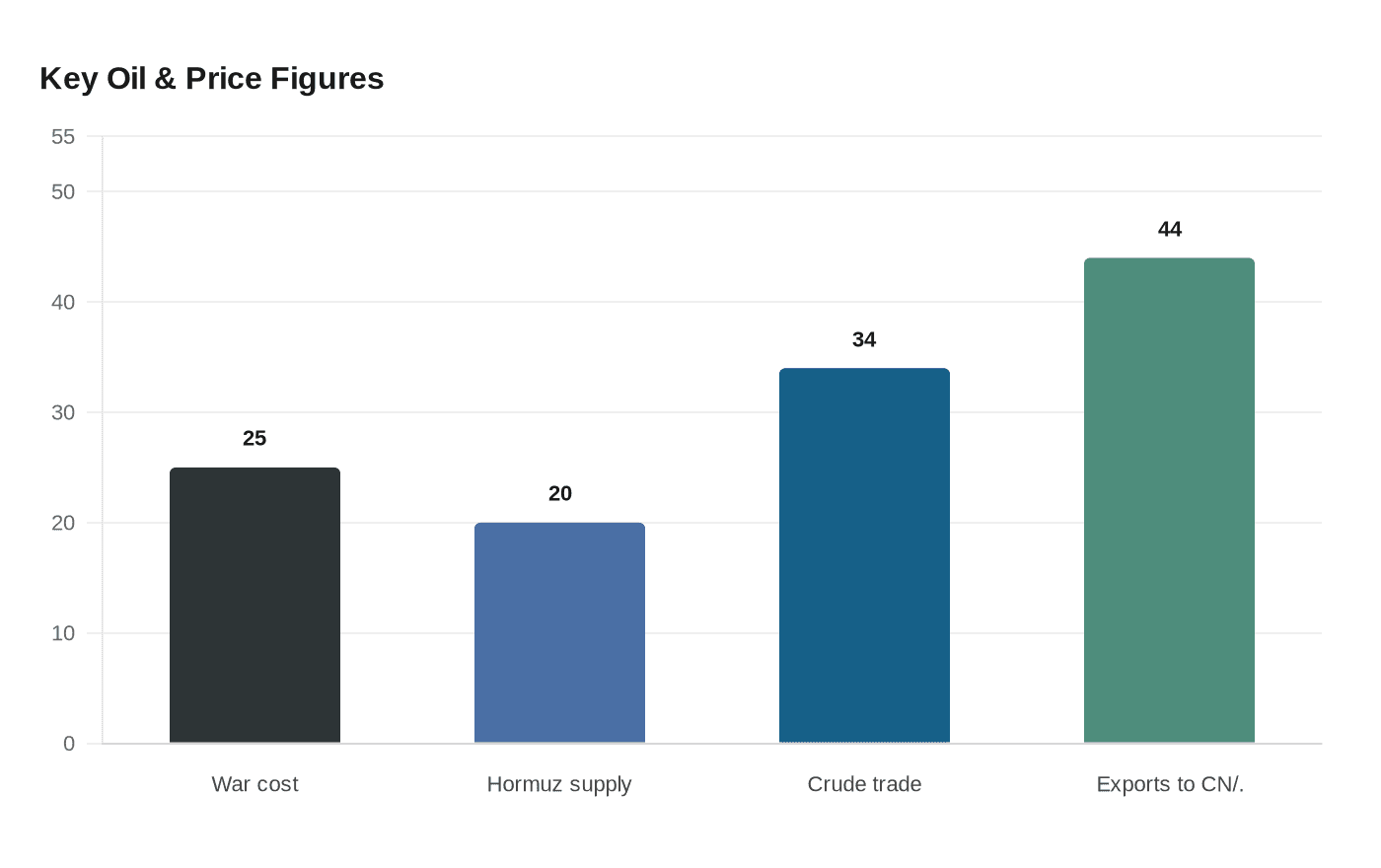
That hard line came as Pentagon officials put the cost of the war at about $25 billion so far. Jules W. Hurst, the Pentagon comptroller, gave the figure during an April 29 House Armed Services Committee hearing with Defense Secretary Pete Hegseth and Gen. Dan Caine, where lawmakers pressed the administration over its strategy and the mounting expense of the conflict.
The stakes extend far beyond Capitol Hill. The U.S. Energy Information Administration says nearly 20% of global oil supply flows through the Strait of Hormuz, one of the world’s most sensitive maritime chokepoints. The International Energy Agency said that in 2025 nearly 15 million barrels per day of crude, about 34% of global crude oil trade, moved through the strait, with China and India receiving 44% of those exports. The EIA’s April Short-Term Energy Outlook was written around the strait’s de facto closure, underscoring how quickly a regional blockade can spill into global markets. Oil prices jumped more than 6% on April 29 as traders grew more worried about a prolonged disruption.
American drivers are already paying for it. AAA data put the national average for regular gasoline around $4.18 to $4.23 a gallon, the highest since 2022 and roughly $1.20 above the level before the conflict began on Feb. 28, 2026. Even after a 7-cent weekly decline to about $4.09 tied to ceasefire hopes, prices remain elevated enough to add pressure to household budgets and to the cost of moving goods across the country.
Iran has reportedly offered to reopen the strait if the United States lifts its blockade and ends the war, but Trump rejected that approach and insisted the central goal remains preventing Iran from ever obtaining nuclear weapons. The question now facing Washington is blunt: how much economic pain Americans will accept while the administration tries to keep pressure on Tehran.
This article was produced by Prism’s automated news system from verified source data, official records, and press releases, then run through automated quality and moderation checks before publishing. The system is built and supervised by the people who set the standards it runs under. Read our full AI policy.
Did this article answer your question?