Trump says Israel and Lebanon leaders will speak for first time in 34 years
Trump said Israeli and Lebanese leaders will speak Thursday after the first direct talks in decades, but Hezbollah’s role still threatens any real breakthrough.
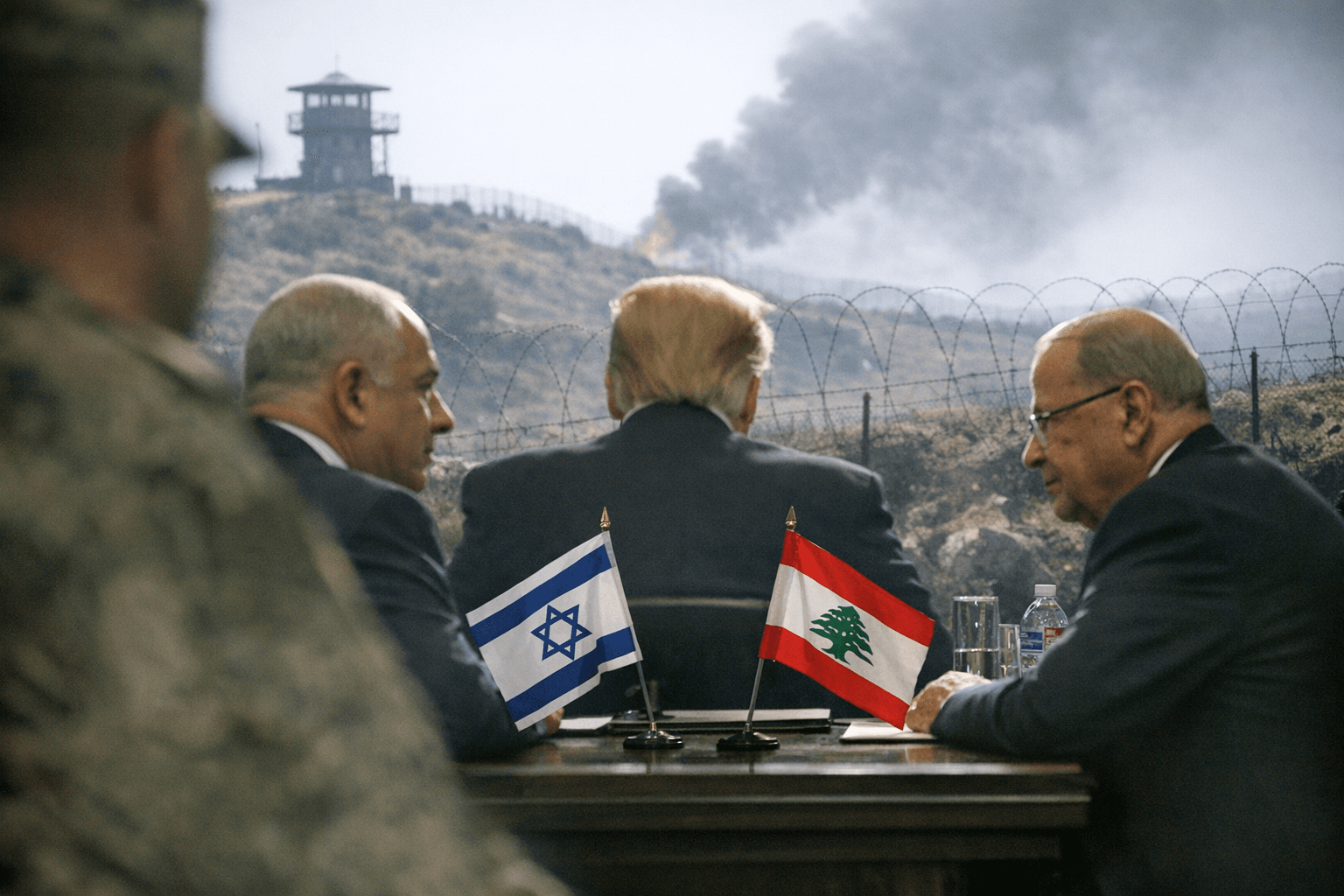
President Donald Trump said Israel and Lebanon’s leaders would speak Thursday, setting up a test of whether a rare diplomatic opening can move beyond symbolism and into a durable deal. His announcement came after Israeli and Lebanese envoys held direct talks in Washington, the first such meeting in decades, under the eye of U.S. Secretary of State Marco Rubio.
The Washington session lasted about two hours and brought together Israeli Ambassador to the United States Yechiel Leiter and Lebanese Ambassador Nada Hamadeh Moawad. The State Department said the participants held “productive discussions on steps toward launching direct negotiations between Israel and Lebanon,” and Washington said it hoped the process could go beyond the 2024 agreement and lead to a comprehensive peace deal.
Trump said on Truth Social that he was “trying to get a little breathing room between Israel and Lebanon” and added, “It has been a long time since the two leaders have spoken, like 34 years. It will happen tomorrow.” He did not specify which leaders would take part, leaving open whether the call would involve Israeli Prime Minister Benjamin Netanyahu or President Isaac Herzog, and Lebanese President Joseph Aoun or Prime Minister Nawaf Salam.
The diplomatic push was shaped by war, not calm. Lebanon and Israel have had no formal relations and have technically been at war since 1948. The latest round of fighting began after Hezbollah fired rockets into northern Israel on March 2, and the conflict then widened as Israeli strikes expanded beyond southern Lebanon to Beirut, driving mass displacement and heavy casualties.
That reality is why the substantive issues matter more than the headline. Lebanese officials said any talks had to address a ceasefire, the return of displaced people and concrete steps to ease the humanitarian crisis. Israel has said Hezbollah must lose its influence in Lebanon, and the United States has backed Lebanon’s plan to “restore the monopoly of force,” a signal that the militia’s role sits at the center of any agreement.
Netanyahu had already signaled movement on April 9, saying: “In light of Lebanon’s repeated requests to open direct negotiations with Israel, I instructed at the Government meeting yesterday to open direct negotiations with Lebanon as soon as possible.” Still, U.S. officials said the Washington meeting was only a preparatory step, not the start of full peace talks, and Rubio called it a “historic opportunity” while warning there would be no immediate breakthrough.
Hezbollah rejected the direct talks and was not represented. As the diplomats met, the group reportedly stepped up fire on northern Israel, underscoring how fragile any opening remains. No date had been set for a follow-up meeting by Tuesday evening, though Leiter said he expected the process to resume in the coming weeks. The real question is whether the call and the talks can produce movement on ceasefire terms, security arrangements and Hezbollah’s place in Lebanon, or whether they become another temporary reset in a regional standoff that keeps spilling onto civilian communities.
This article was produced by Prism’s automated news system from verified source data, official records, and press releases, then run through automated quality and moderation checks before publishing. The system is built and supervised by the people who set the standards it runs under. Read our full AI policy.
Did this article answer your question?