Trump Says Navy Clearing Iranian Mines From Vital Strait of Hormuz
A mine-clearing push in Hormuz could ripple into U.S. gasoline prices, shipping insurance and inflation as only a sliver of the world’s oil route stays open.
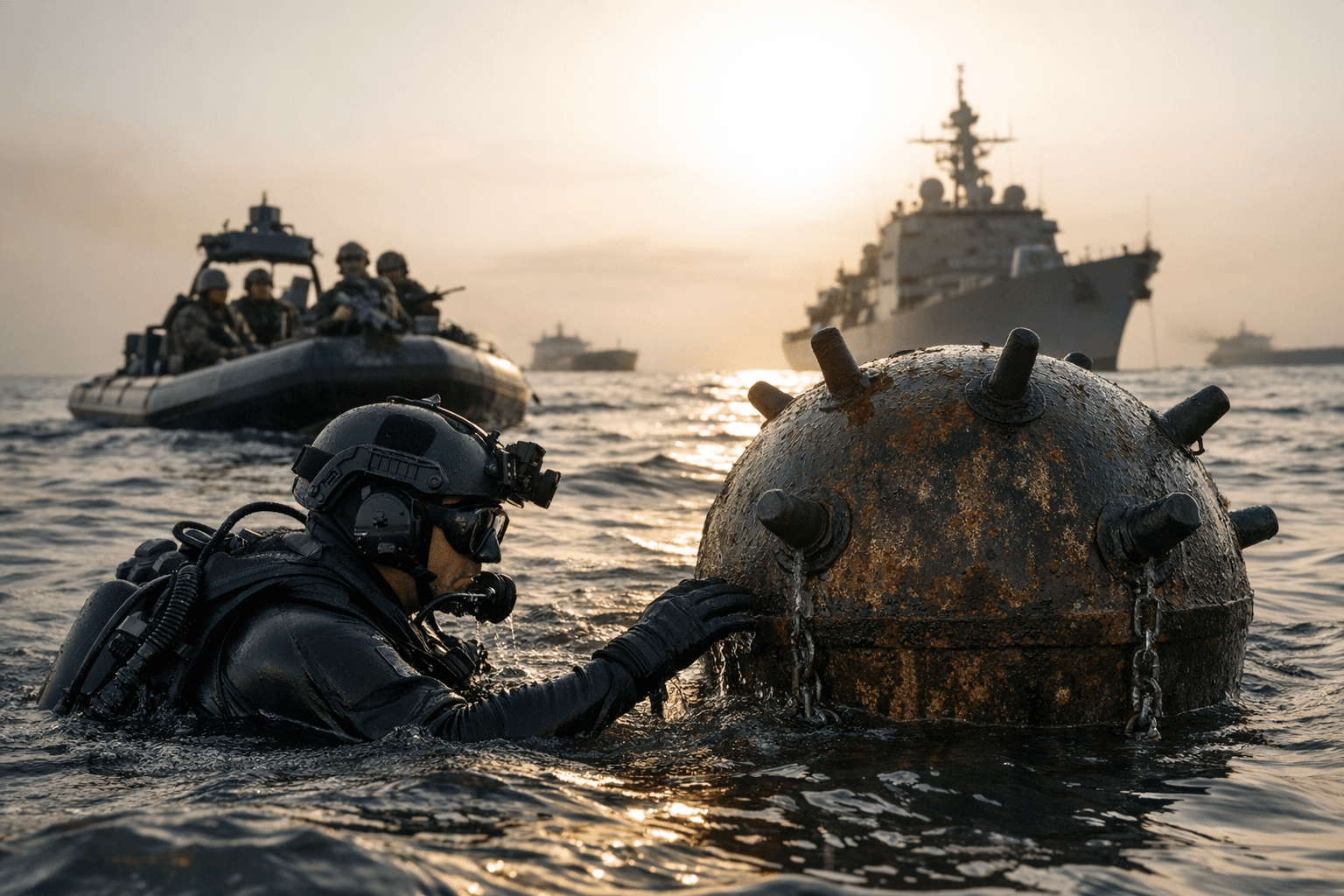
The effort to clear Iranian mines from the Strait of Hormuz is not just a naval operation in the Gulf. It is a direct test of oil flows, shipping insurance and inflation pressure for Americans, because one narrow chokepoint helps carry the fuel that sets prices far beyond the Middle East.
President Donald Trump said the U.S. Navy was clearing Iranian mines from the strait, where about 20% of the world’s oil normally passes. The U.S. Energy Information Administration calls Hormuz the world’s most important oil chokepoint, and says average oil flow through it reached about 20 million barrels per day in 2024, equal to roughly 20% of global petroleum liquids consumption. The International Energy Agency put 2025 shipments through the waterway at about 20 million barrels per day of crude oil and oil products.
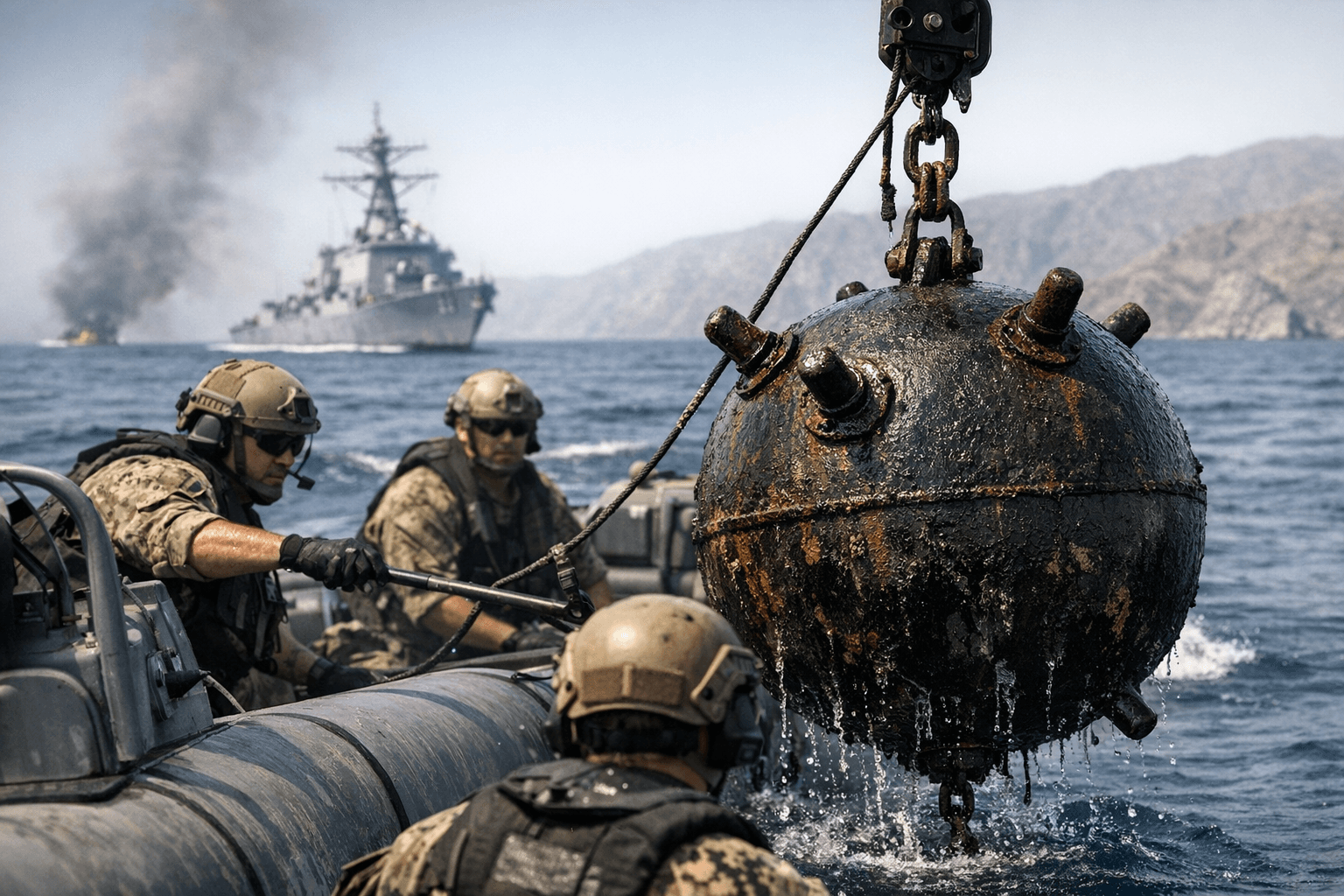
That scale explains why even limited disruption can send market signals across the United States. The strait is only 29 nautical miles wide at its narrowest point, with two 2-mile-wide shipping channels and a 2-mile buffer zone. In a waterway that tight, a mine threat can quickly chill tanker traffic, push up war-risk premiums and add costs that eventually show up in fuel and goods prices.
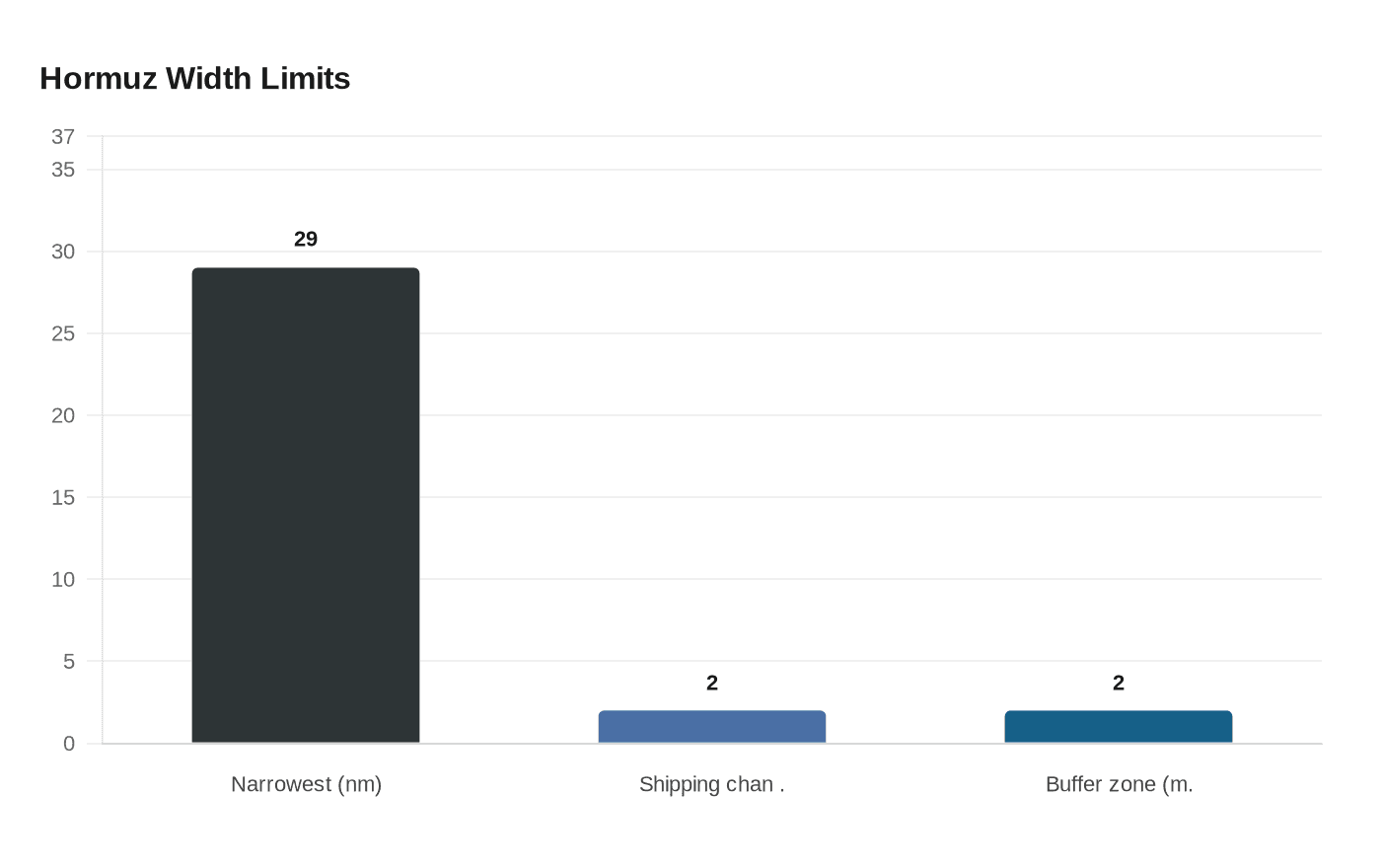
The bigger problem is confidence. Emma Salisbury of the Foreign Policy Research Institute captured the logic of maritime deterrence bluntly: “You don’t even have to have lain mines - you just have to make people believe that you’ve laid mines.” That uncertainty has already changed behavior. On April 24, only five ships passed through the strait in 24 hours, and a U.S. Navy advisory said the mine threat in parts of the waterway was not fully understood and ships should consider avoiding the area.
Insurance markets have been reacting as well. War-risk premiums in the Persian Gulf have risen sharply, in some cases quadrupling, and London insurers have moved to provide about $1 billion in extra war coverage for vessels sailing through Hormuz. The result is a stubborn confidence problem for ship owners, insurers and foreign governments: reopening the route is not only about removing explosives, but convincing the market that the passage is safe.
The human toll is already visible. The International Maritime Organization said around 20,000 seafarers remained trapped and unable to leave vessels in the Strait of Hormuz area, while several ships had been seized and detained over the previous few days. That leaves crews waiting, cargo delayed and ports cautious even if the guns go quiet.
The history of Hormuz warns how quickly a shipping crisis can become a military one. In 1988, after the USS Samuel B. Roberts struck an Iranian mine on April 14, the U.S. Navy launched Operation Praying Mantis on April 18. From July 24, 1987 to September 26, 1988, Operation Earnest Will escorted reflagged Kuwaiti tankers through the Gulf during the Tanker War. The current mine-clearing effort now sits in that same tradition of high-stakes deterrence, where one wrong move can ricochet from a narrow sea lane into global markets and U.S. household budgets.
This article was produced by Prism’s automated news system from verified source data, official records, and press releases, then run through automated quality and moderation checks before publishing. The system is built and supervised by the people who set the standards it runs under. Read our full AI policy.
Did this article answer your question?