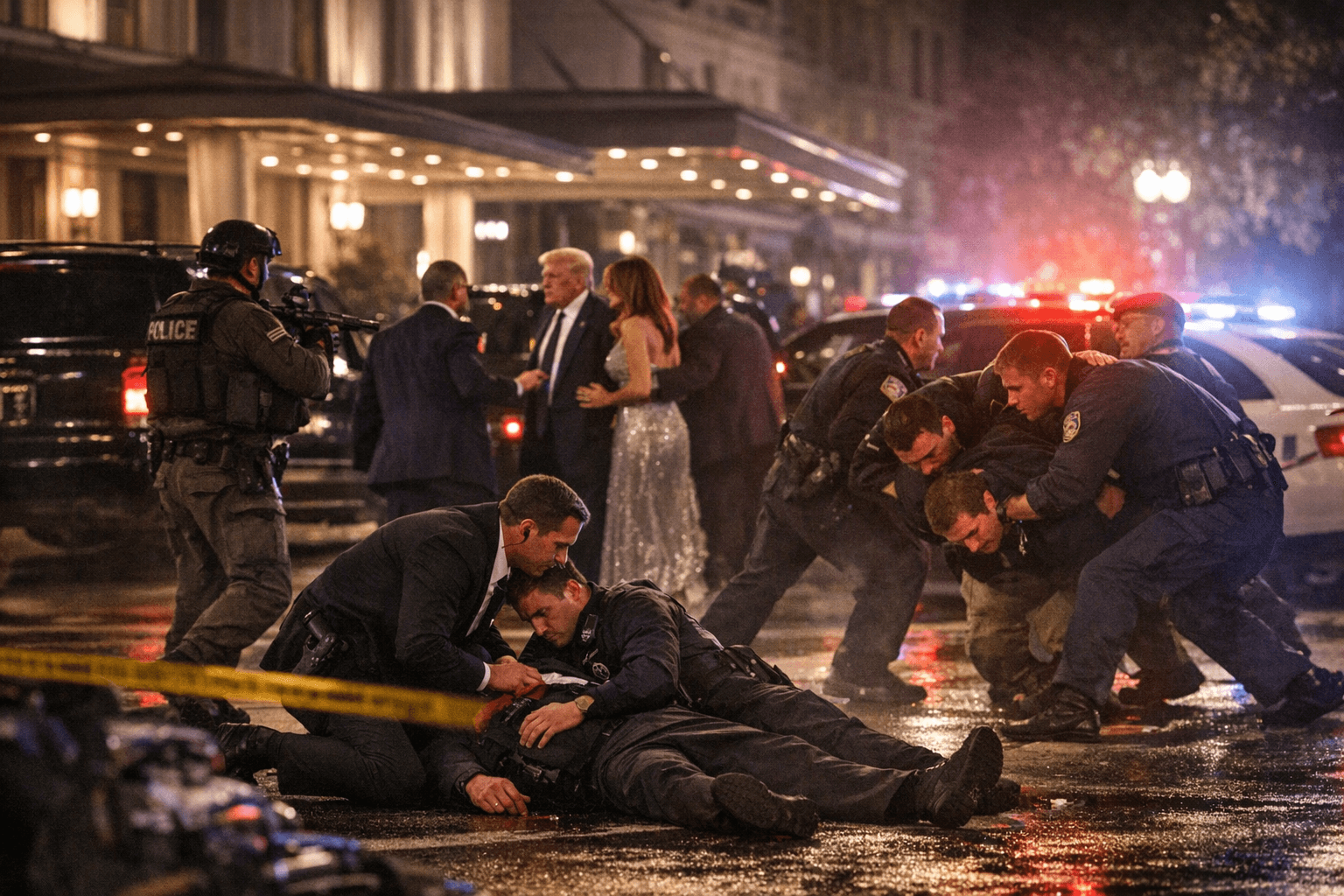
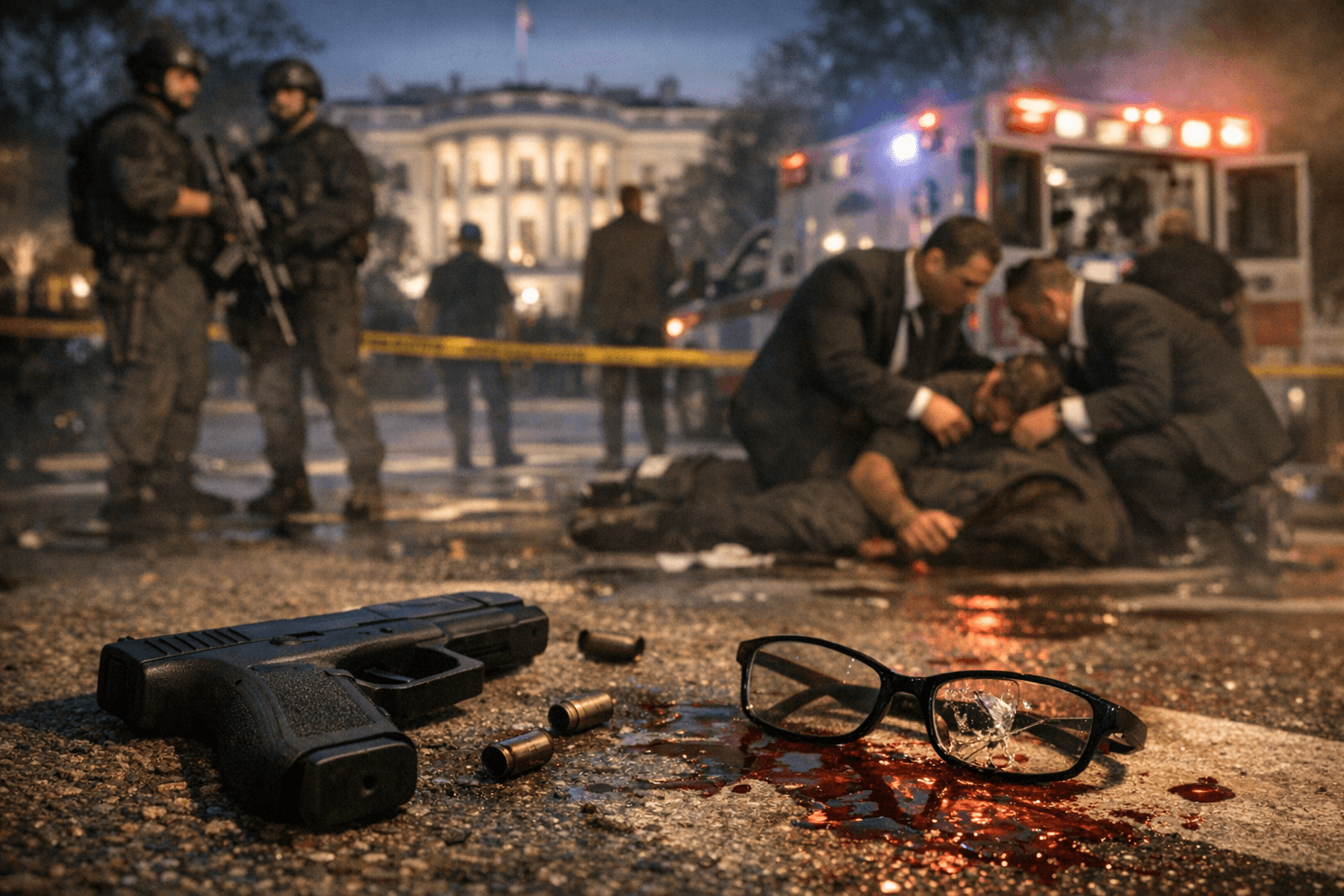
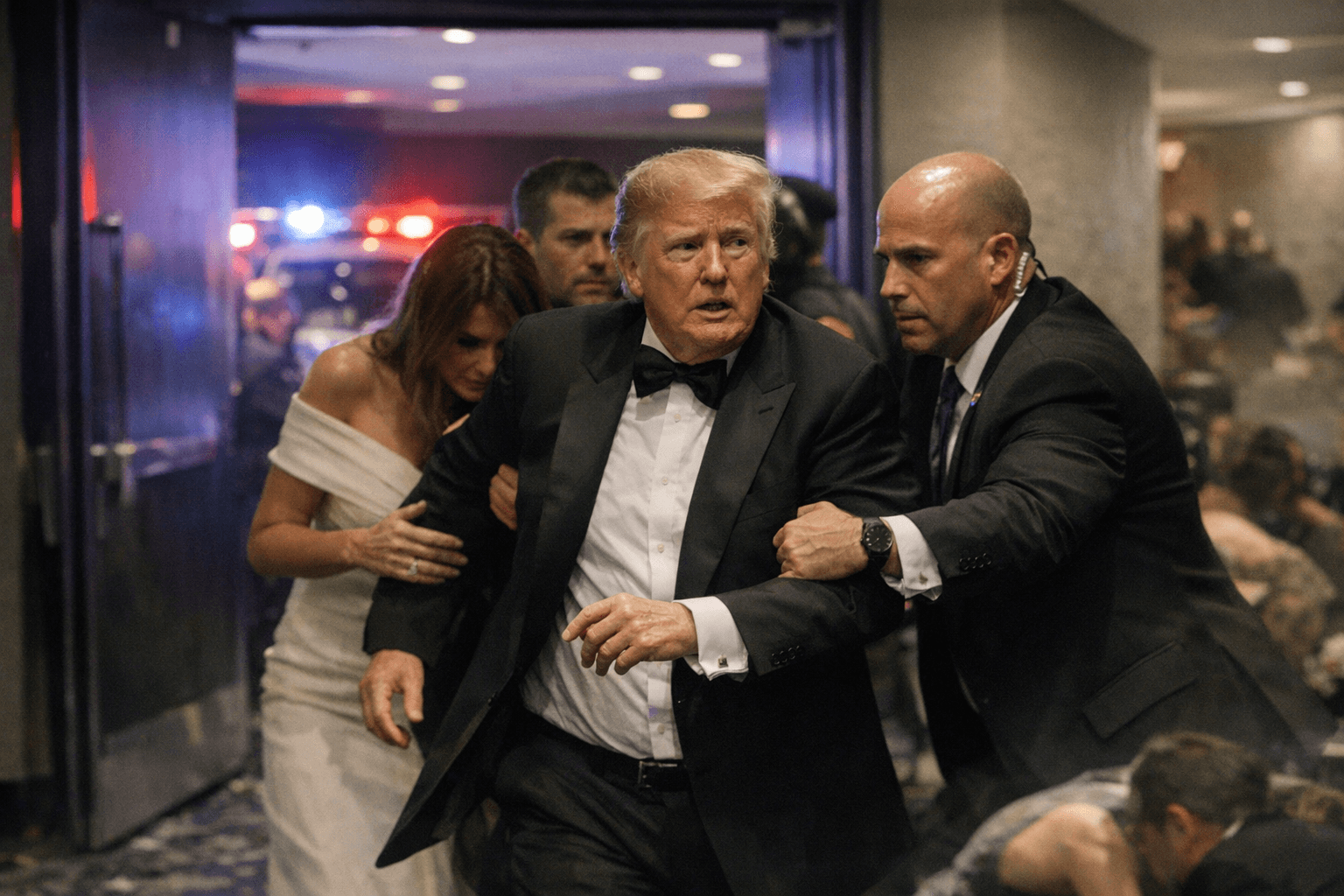
Trump says studies assassinations, believes impact draws repeated attacks
Trump said he “studied assassinations,” arguing repeated attacks follow big political impact. His comments came after the Butler shooting and the West Palm Beach golf-club incident.
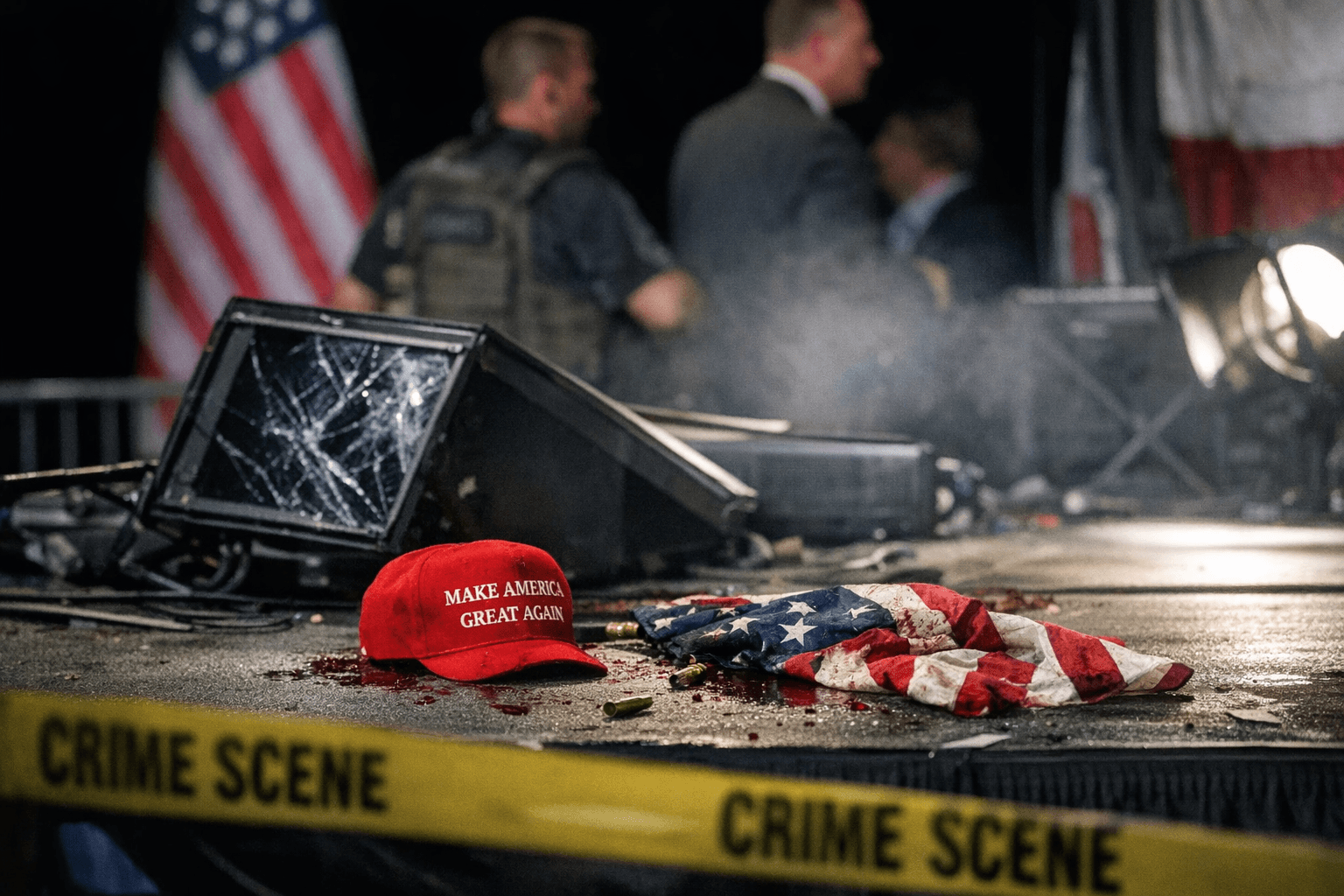
Donald Trump cast the attacks against him as a byproduct of prominence, telling Fox News’s Peter Doocy that “The people that make the biggest impact, they're the ones that they go after.” In the same exchange during a White House Correspondents’ Dinner-related appearance in Washington, D.C., Trump added, “I studied assassinations,” framing the violence as part of a pattern that follows figures who dominate public life.
His remarks land against a stark record of danger. On July 13, 2024, Trump survived a shooting at a rally in Butler, Pennsylvania, where he was wounded in the upper right ear and one attendee was killed. The gunman, Thomas Matthew Crooks, fired before being killed by a Secret Service sniper, and the episode triggered a cascade of investigations into how security failed around a major presidential candidate. Reports have since focused on the Secret Service breakdowns that allowed the gunman to get off shots at all.
The threat did not end there. Nine weeks after Butler, on September 15, 2024, the FBI said an incident at Trump’s golf club in West Palm Beach, Florida, “appears to be an attempted assassination.” Authorities said a man was held in custody after that episode, underscoring how quickly the violence at the center of the 2024 campaign moved from one close call to another.
Trump’s explanation matters not only as a personal response, but as a political message. By presenting himself as someone singled out because of his influence, he turns assassination threats into part of a larger story about power, loyalty and risk. That kind of framing can sharpen how supporters interpret violence against him, while also feeding a broader national conversation about the security of candidates and the volatility of political life.
After the Butler shooting, President Joe Biden said there is “no place for this kind of violence in America,” a line that captured the immediate call for restraint and unity from political leaders across the spectrum. A year later, the Butler attack and the Florida incident still hang over debates about Secret Service preparedness, the intensity of political rhetoric and the dangers faced by public figures in an era of deep polarization. Trump’s latest comments suggest he sees those threats not as isolated events, but as proof of the reach and stakes of his political identity.
Know something we missed? Have a correction or additional information?
Submit a Tip