Trump says Taiwan arms deal could be negotiating chip with China
Trump called a possible Taiwan arms sale a "very good negotiating chip," raising fresh doubts about whether U.S. deterrence is becoming a bargaining tool.
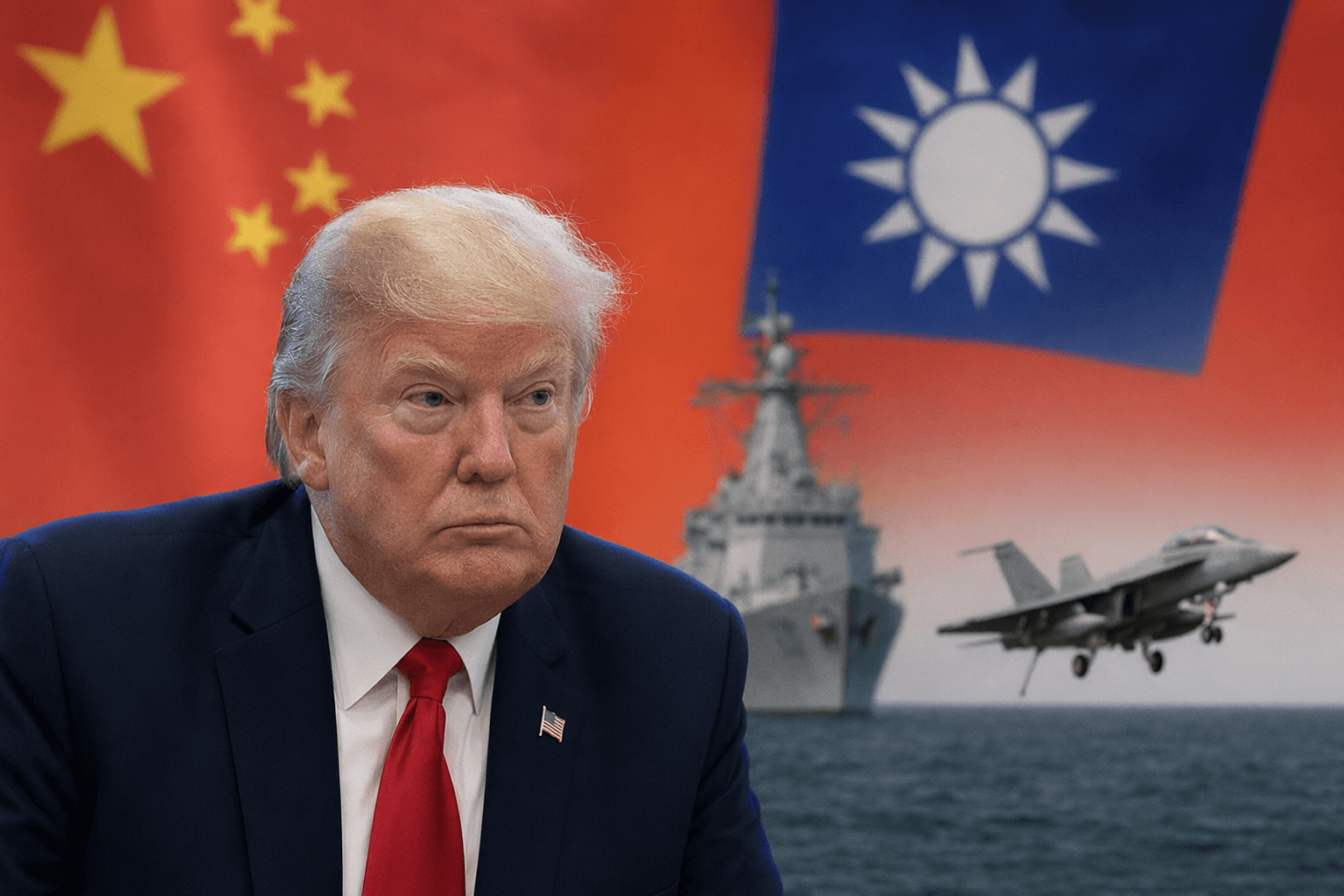
Donald Trump put a possible Taiwan arms deal in the middle of his China talks, calling it a "very good negotiating chip" and saying he had not decided whether to move ahead with future sales. After meeting Xi Jinping in Beijing, Trump said he had made no commitment either way, even though Congress approved a $14 billion Taiwan arms package in January.
The choice of language mattered as much as the decision itself. Under the Taiwan Relations Act, U.S. policy is to provide Taiwan with arms of a defensive character and to treat any nonpeaceful effort to determine Taiwan’s future as a matter of grave concern. Since 1950, the United States has sold Taiwan nearly $50 billion in defense equipment and services, and recent administrations have regularly approved large packages. That history made Trump’s willingness to describe the issue as leverage stand out as an unusual departure from the steadier message Washington has typically sent.
Before the summit, bipartisan senators including Jeanne Shaheen, Thom Tillis, Chris Coons, John Curtis, Tammy Duckworth, Jacky Rosen, Andy Kim and Elissa Slotkin urged Trump to formally notify Congress of the $14 billion package as required by law. Their warning was explicit in substance if not in rhetoric: support for Taiwan should not become a bargaining chip in negotiations with China.
Taipei moved quickly to underline the legal and strategic basis for continued sales. Taiwan’s government said U.S. arms sales have long been a cornerstone of regional peace and stability and are confirmed in U.S. law, while also thanking Washington for reaffirming that its Taiwan policy had not changed. That dual response reflected the dilemma for Taipei: reassurance on paper, but a public signal from Trump that the package could still be traded away.
Beijing is likely to read the exchange as a sign that pressure works. China reiterated strong opposition to U.S. arms sales to Taiwan ahead of the summit, and Xi’s Taiwan-related remarks were widely viewed by Taiwanese observers as a warning to Washington. For U.S. defense planners, the message is less subtle: if a weapons package approved by Congress can be held up as negotiating capital, then deterrence becomes harder to plan, harder to price and easier for Beijing to test.
Know something we missed? Have a correction or additional information?
Submit a Tip