Trump says Taiwan arms sales may come up in Xi call
Trump’s hint that Taiwan arms sales could come up with Xi Jinping put strategic ambiguity and billions in pending weapons deals back under pressure.
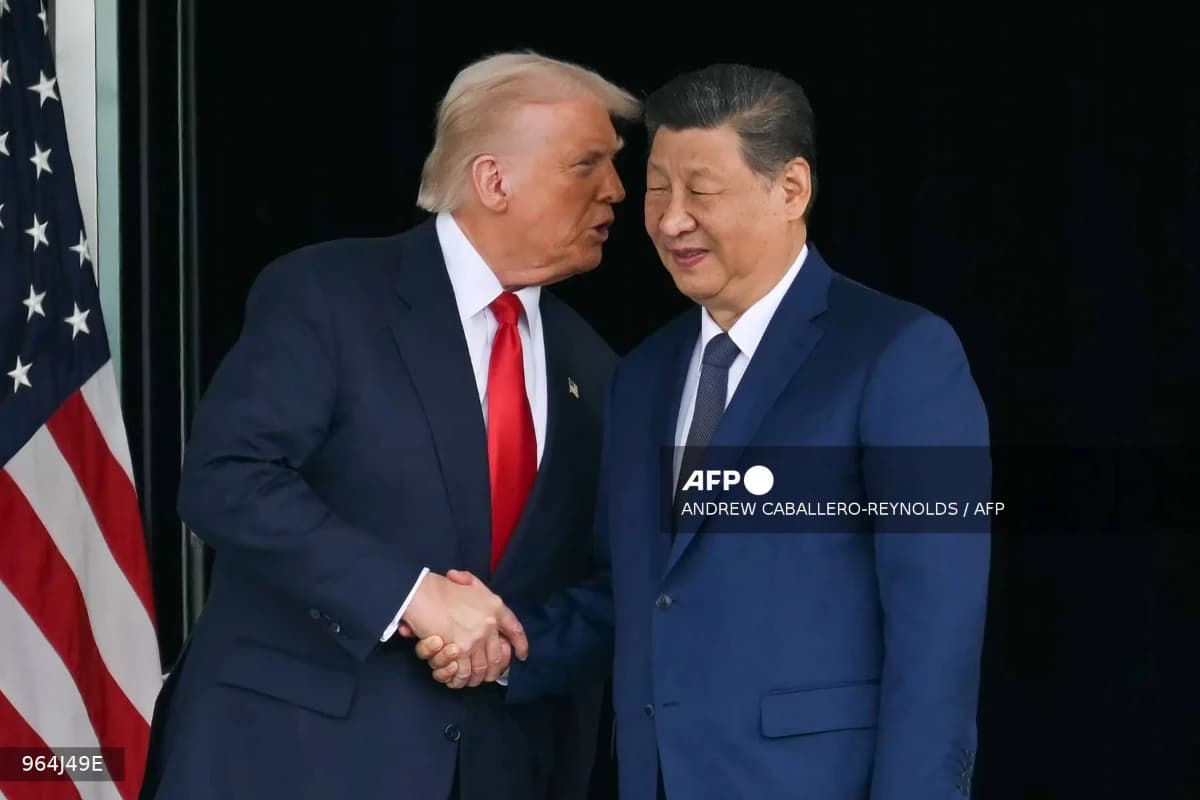
Trump’s suggestion that Taiwan arms sales could come up in a call with Xi Jinping put one of the most sensitive pillars of U.S.-China policy back on the table: whether Washington will keep treating defensive weapons for Taiwan as a fixed part of deterrence, or signal any softening to Beijing.
The issue cuts to the core of the Taiwan Relations Act, enacted on April 10, 1979, after the United States switched diplomatic recognition from Taipei to Beijing on January 1, 1979. The law says the United States should provide Taiwan with arms of a defensive character and maintain the capacity to resist any resort to force or coercion that would jeopardize Taiwan’s security. The State Department says that statute provides the legal basis for the unofficial U.S.-Taiwan relationship.
That framework has survived repeated pressure from Beijing, which views Taiwan as part of its territory, and from the limits Washington accepted in the 1982 U.S.-China Joint Communiqué. In that statement, the United States said it did not seek a long-term policy of arms sales to Taiwan and intended to gradually reduce them. Congress and successive administrations have still treated defensive sales as part of U.S. policy, a balance that has long been central to strategic ambiguity in the Western Pacific.
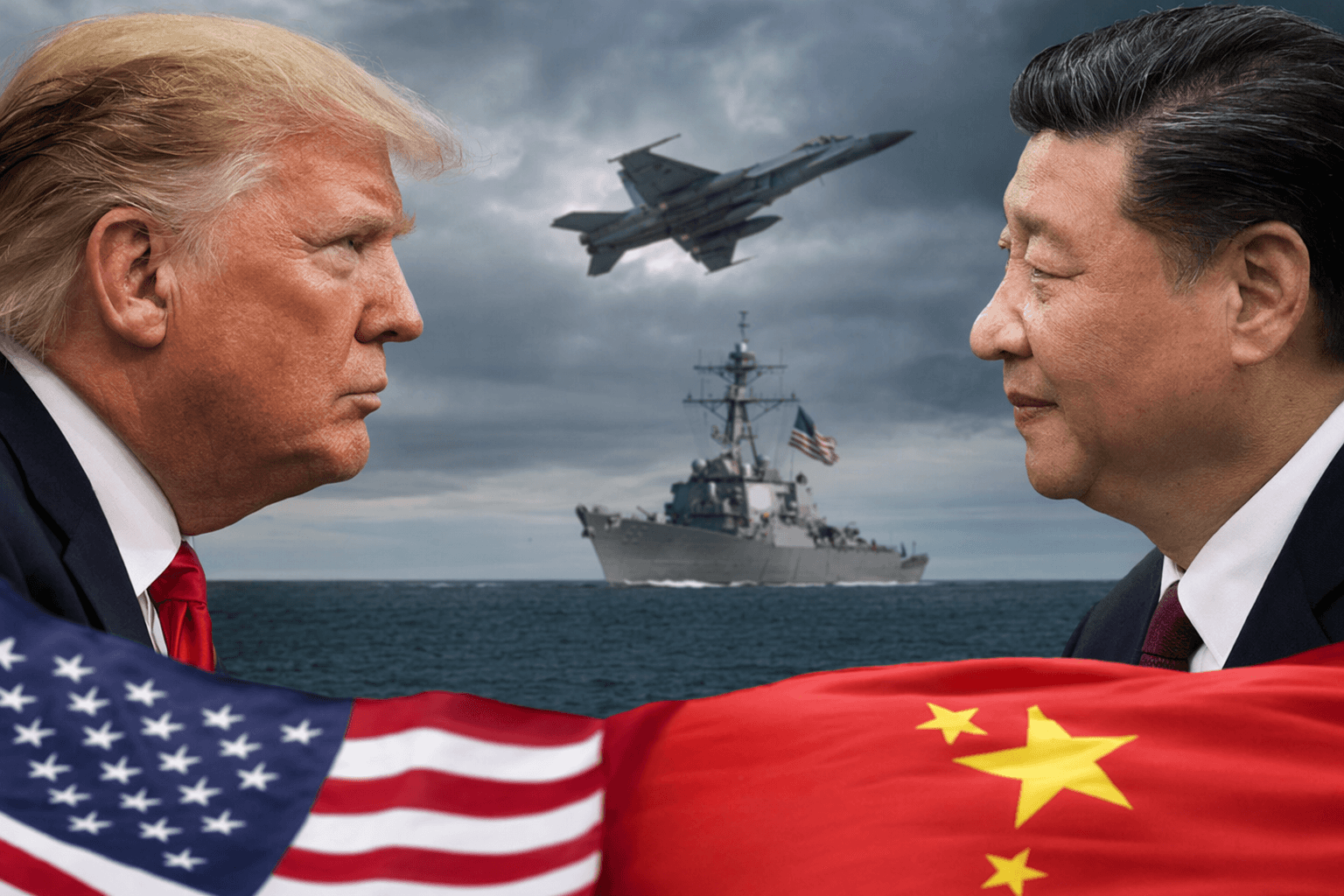
Trump’s remarks landed as lawmakers in Washington and Taipei were already trying to steady expectations around new deliveries. Reuters reported on April 16, 2026, that a bipartisan group of senators told Taiwanese lawmakers that pending weapons sales were likely to be approved in the coming weeks. NBC News reported last month that Taiwan’s parliament authorized signing stalled U.S. arms deals worth about $9 billion. CBC News reported that the United States approved an $11.1 billion package last year, described as the largest U.S. weapons package ever for Taiwan.
That makes the politics of a Trump-Xi conversation especially fraught. A reaffirmation of current policy would signal continuity at a moment when Taipei is anxious about Chinese pressure and about any hint that Washington might bargain away support. A rhetorical shift, even without an immediate policy change, could complicate deterrence by encouraging Beijing to test the boundaries of U.S. resolve and by shaking confidence in Taiwan’s ability to count on U.S. backing.
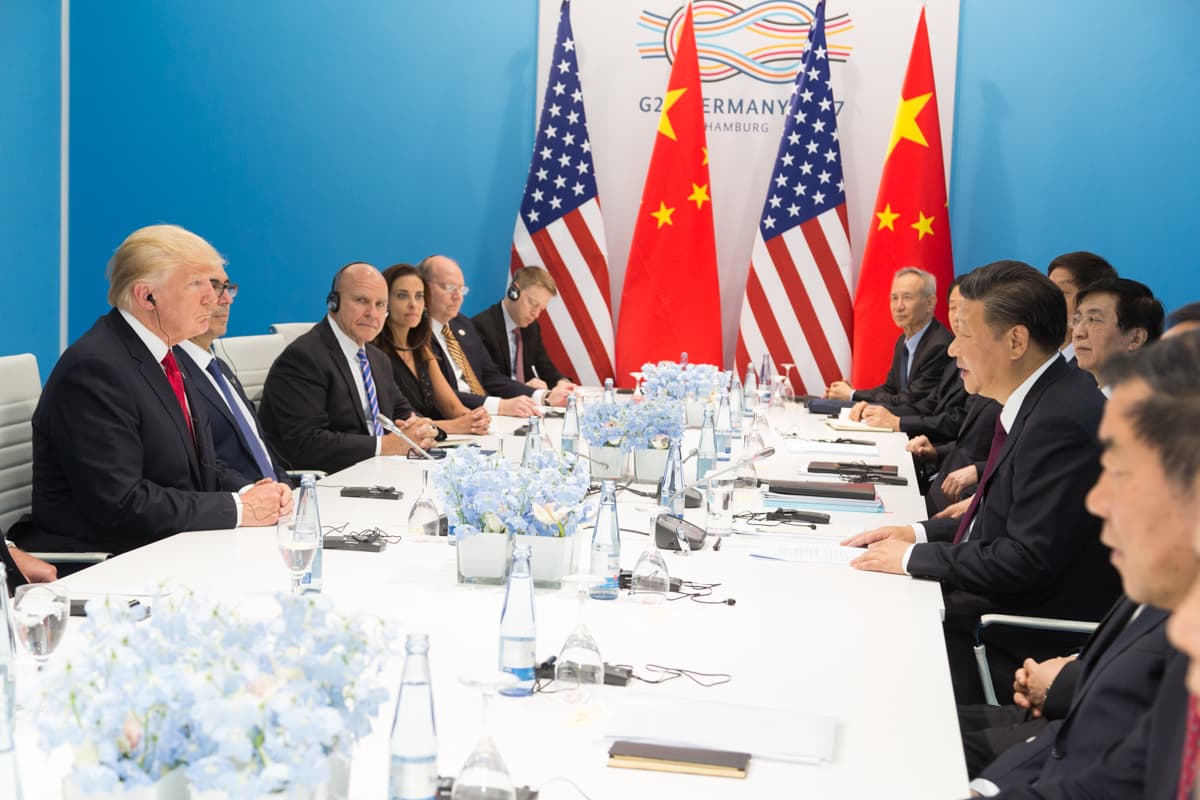
For Beijing, the issue remains a standing irritant in relations with Washington. For Taiwan, it is a measure of whether the United States will continue to underwrite its defenses in practice, not just in law. The stakes are larger than one phone call: they reach into the credibility of U.S. commitments, the stability of cross-strait relations and the broader balance of power in Asia.
This article was produced by Prism’s automated news system from verified source data, official records, and press releases, then run through automated quality and moderation checks before publishing. The system is built and supervised by the people who set the standards it runs under. Read our full AI policy.
Did this article answer your question?


