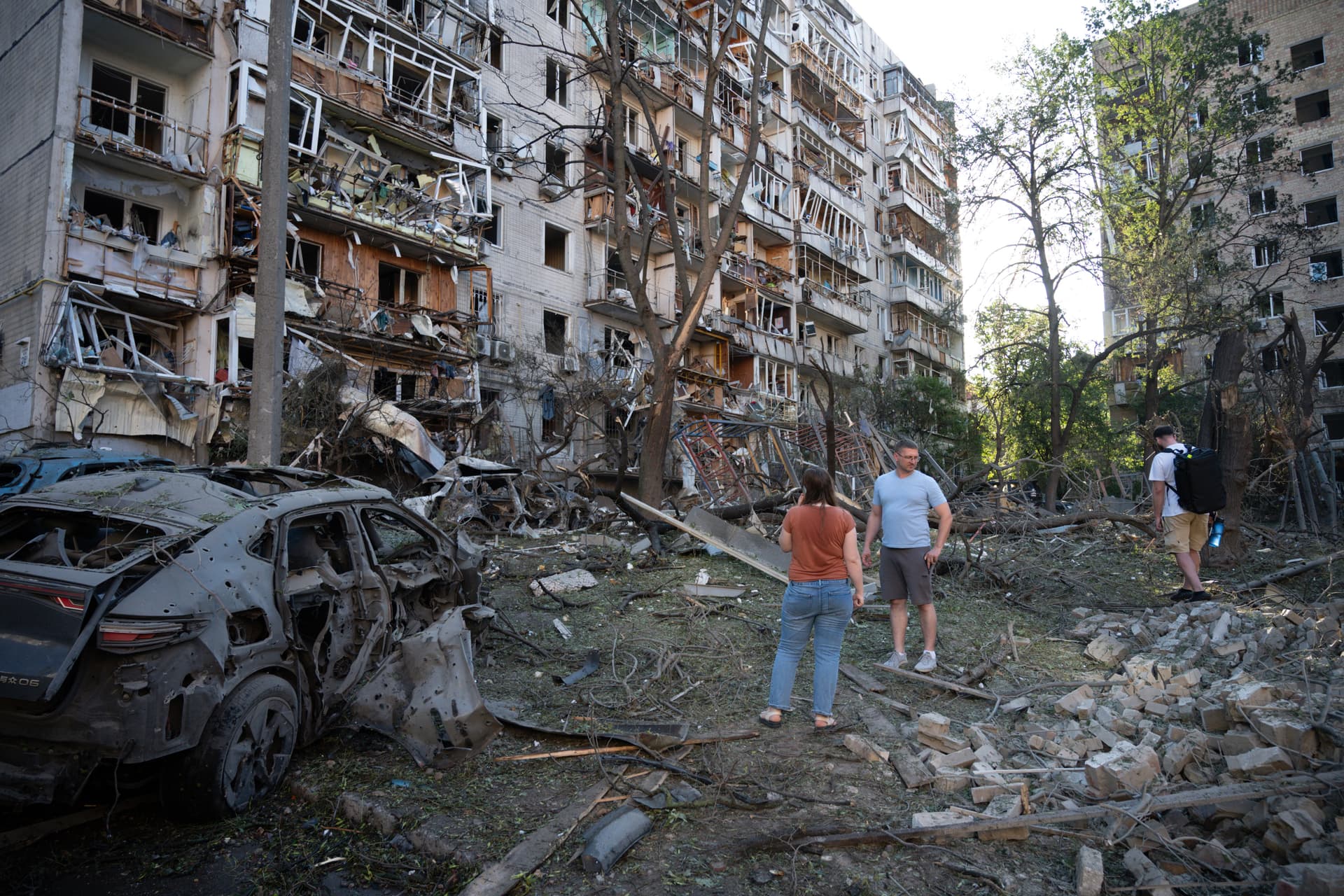
Trump Says U.S. in Iran Talks While Pausing Strikes on Energy Infrastructure
Trump ordered a five-day halt to strikes on Iran's power plants Monday, claiming "major points of agreement" with Tehran — which Iran flatly denied, calling the talks "fakenews."

President Donald Trump said in a Truth Social post Monday that, following talks with Iranian authorities, he ordered the U.S. military to postpone strikes on Iran's power plants and energy infrastructure for five days. The announcement reversed a 48-hour ultimatum Trump had issued just the day before: Trump on Saturday threatened to "obliterate" Iran's power plants if Tehran did not fully reopen the Strait of Hormuz within 48 hours.
"I am pleased to report that the United States of America and the country of Iran have had, over the last two days, very good and productive conversations regarding a complete and total resolution of our hostilities in the Middle East," Trump wrote, adding that he had "instructed the Department of War to postpone any and all military strikes against Iranian power plants and energy infrastructure for a five-day period, subject to the success of the ongoing meetings and discussions."
Speaking to reporters in Palm Beach, Florida, Trump said his son-in-law Jared Kushner and U.S. special envoy Steve Witkoff participated in those talks Sunday evening with "a top person" in Iran. Trump did not name the Iranian interlocutor, saying he did not want to get him killed, but said: "We are dealing with a man that I believe is the most respected, not the supreme leader, we have not heard from him." An Israeli official told Axios that Witkoff and Kushner had been in contact with Iranian parliament speaker Mohammad Bagher Ghalibaf. Ghalibaf played a key role in managing Iran's war effort during the 12-day war in June and is currently seen as the most senior civilian official in Iran's decision-making circle.
Trump's claim of progress stood in sharp contrast to his own statement just days earlier. Trump countered later Monday morning that the U.S. and Iran "have had very, very strong talks" yielding "major points of agreement," including that Tehran will "never have a nuclear weapon." On the question of Iran's enriched uranium stockpile, Trump told reporters: "It's very easy, if we have a deal with them, we're going down and we'll take it ourselves."
Tehran's response was categorical. In a statement carried by semi-official news agency Mehr News, Iran's foreign ministry said "there is no dialogue between Tehran and Washington." Iranian parliament speaker Mohammad-Bagher Ghalibaf, in an English-language post on X, called the reports "fakenews used to manipulate the financial and oil markets and escape the quagmire in which the U.S. and Israel are trapped." Iranian state television framed the episode differently still, broadcasting a graphic that read: "U.S. president backs down following Iran's firm warning."
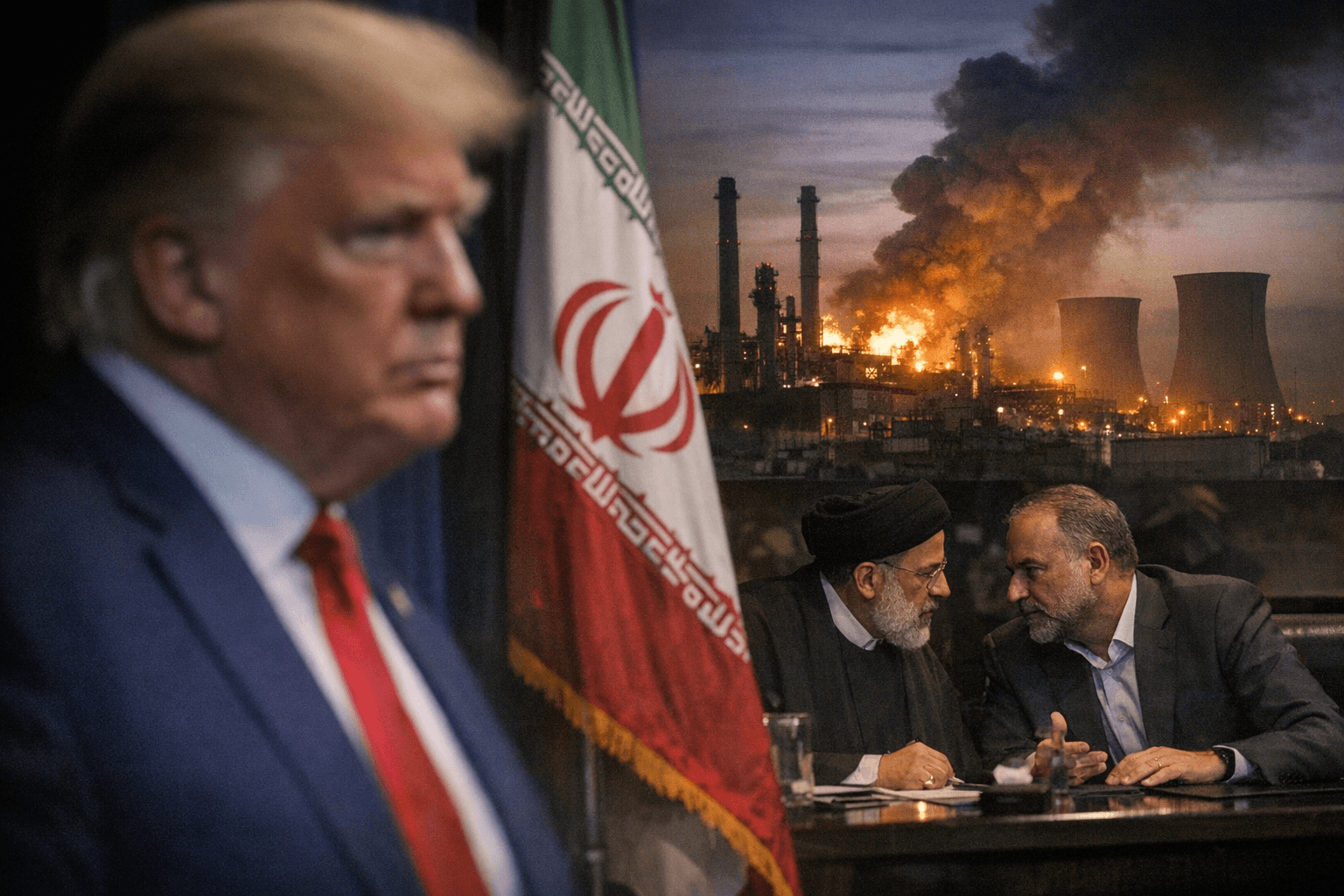
Trump said the U.S. would postpone any strikes on Iranian energy infrastructure for five days, even as Israel continued hitting Tehran and Iran warned it could retaliate across the Gulf. Iranian officials warned Monday that if the U.S. attacks Iran's power plants, Iran would retaliate against energy and water infrastructure across the Gulf region, including in countries that host U.S. military bases.
The war's toll on global energy markets has been severe. IEA head Fatih Birol warned Monday that the global economy faces a "major, major threat" from the war's disruption to oil and gas flows, saying "no country will be immune to the effects of this crisis if it continues to go in this direction." Birol said the current situation was worse than the combined oil crises of 1973 and 1979, which together lost 10 million barrels per day. The IEA was already consulting governments across Europe, Asia, North America, and the Middle East about releasing additional oil stockpiles, beyond the 400 million barrels released earlier in March. Oil prices dropped immediately after Trump's post on Monday, with Brent crude, the international benchmark, falling by roughly 15% within minutes of the announcement before beginning to tick back up.
Thirteen U.S. service members have been killed and at least 200 others wounded since the U.S. and Israel launched strikes against Iran on February 28. More than 1,500 people in Iran have been killed, according to Iranian officials, and at least 1,000 people in Lebanon have been killed, according to that country's Ministry of Health.
Trump said that if the five-day halt in strikes goes well, the parties could end up "settling this." "Otherwise, we'll just keep bombing our little hearts out," he said. Direct talks between the United States and Iran on ending the war could be held in Islamabad as early as this week, Reuters reported on Monday. Whether those talks materialize, and whether the five-day window produces a verifiable agreement, will determine whether the pause holds or the war enters a new phase of escalation.
This article was produced by Prism’s automated news system from verified source data, official records, and press releases, then run through automated quality and moderation checks before publishing. The system is built and supervised by the people who set the standards it runs under. Read our full AI policy.
Did this article answer your question?