Trump Says U.S. Near Iran Deal, Tehran Disputes Uranium Claims
Trump said a deal with Iran was near and claimed Tehran would hand over its uranium stockpile, but Iranian officials have not backed that concession.
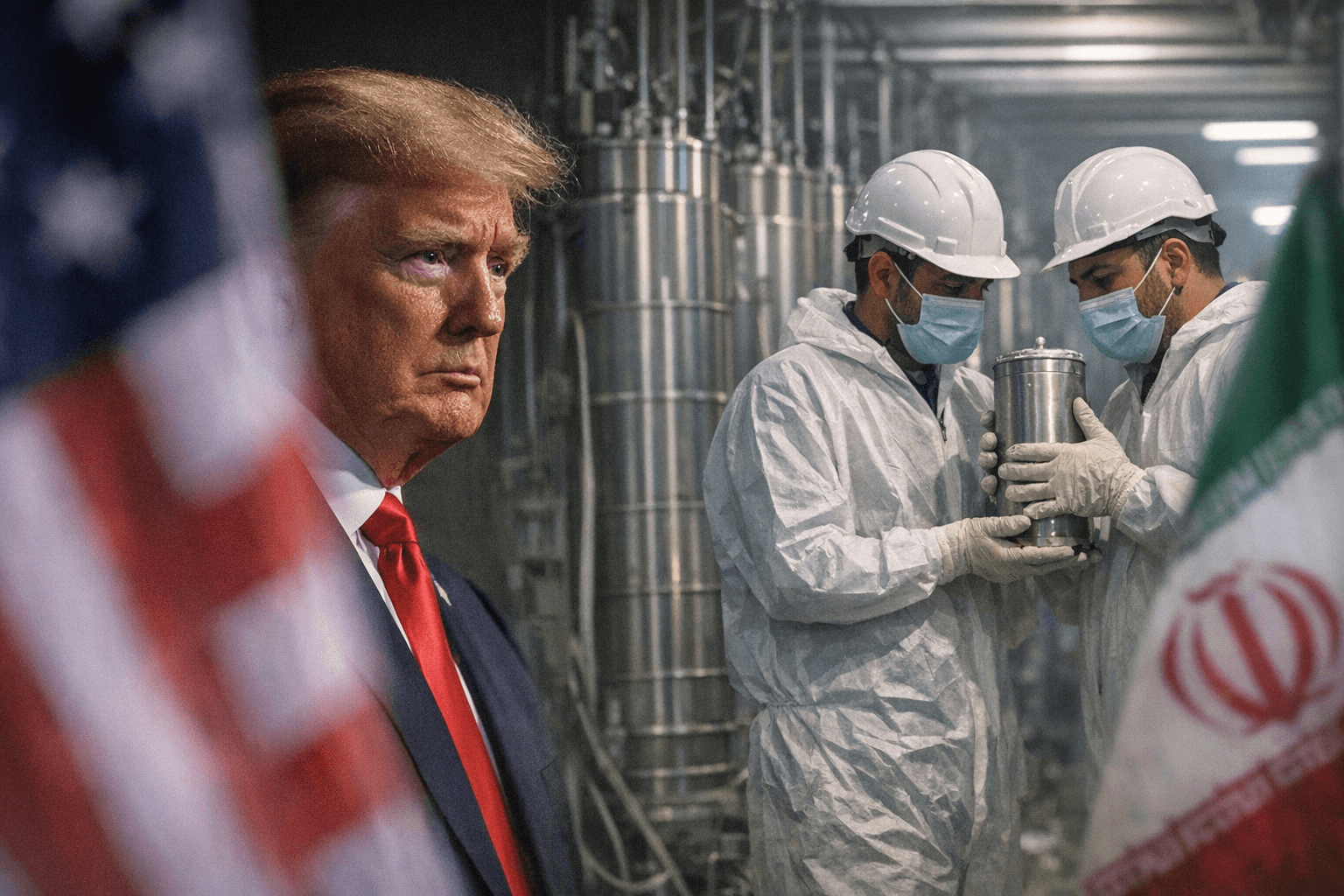
Donald Trump said the United States was “very close” to reaching a deal with Iran, but the core claim driving his upbeat framing remained unconfirmed by Tehran. The president said Iran had “agreed to almost everything” and specifically asserted that it had agreed to hand over its enriched uranium stockpile, a demand that Iranian officials had not publicly accepted as of April 16 and 17, 2026.
The dispute over uranium sits at the center of the negotiations. Analysts have said the main sticking point is Iran’s uranium enrichment program and the fate of its highly enriched uranium stockpile, making Trump’s declaration of progress far more tentative than his language suggested. He also said the next U.S.-Iran meeting could take place over the weekend and added that he might travel to Islamabad if an agreement was signed there.
Pakistan has emerged as a mediator in the back-channel talks. Reuters-reported accounts from Pakistani sources said progress had been made in private diplomacy and that a breakthrough had been reached on “sticky issues,” with one source saying a memorandum of understanding could come before a comprehensive agreement. Even so, the ceasefire tied to the talks has only been extended temporarily, and senior U.S. officials told CNBC that Washington had not formally agreed to an extension.
The Strait of Hormuz remains another pressure point. Reuters reported that Iran has proposed allowing ships to transit through the Omani side of the strait without interference if the United States accepts Iranian conditions. At the same time, U.S. forces have continued a blockade that has driven up Iran’s costs and kept the waterway at the center of the wider confrontation.
The fighting has already pushed the global economy into deeper strain. Reuters reported that the U.S.-Israeli attack on Iran triggered the worst oil-price shock in history and helped prompt an International Monetary Fund downgrade of the global outlook. That economic fallout has made every new claim about a breakthrough carry immediate market weight, even before negotiators settle the main nuclear questions.
Trump’s rhetoric has also drawn sharp criticism from human rights groups. Amnesty International said his April 7 threat that “a whole civilization will die tonight,” along with threats to destroy power plants and bridges, could violate international humanitarian law and might amount to a threat to commit genocide. Agnès Callamard said those threats revealed “a staggering level of cruelty and disregard for human life,” underscoring how the war of words has become inseparable from the diplomacy.
This article was produced by Prism’s automated news system from verified source data, official records, and press releases, then run through automated quality and moderation checks before publishing. The system is built and supervised by the people who set the standards it runs under. Read our full AI policy.
Did this article answer your question?


