CBS News correspondent enters Strait of Hormuz amid Iran war tensions
Imtiaz Tyab became the first American network correspondent inside the Strait of Hormuz as a reopened passage exposed how a 29-mile waterway can jolt oil markets.
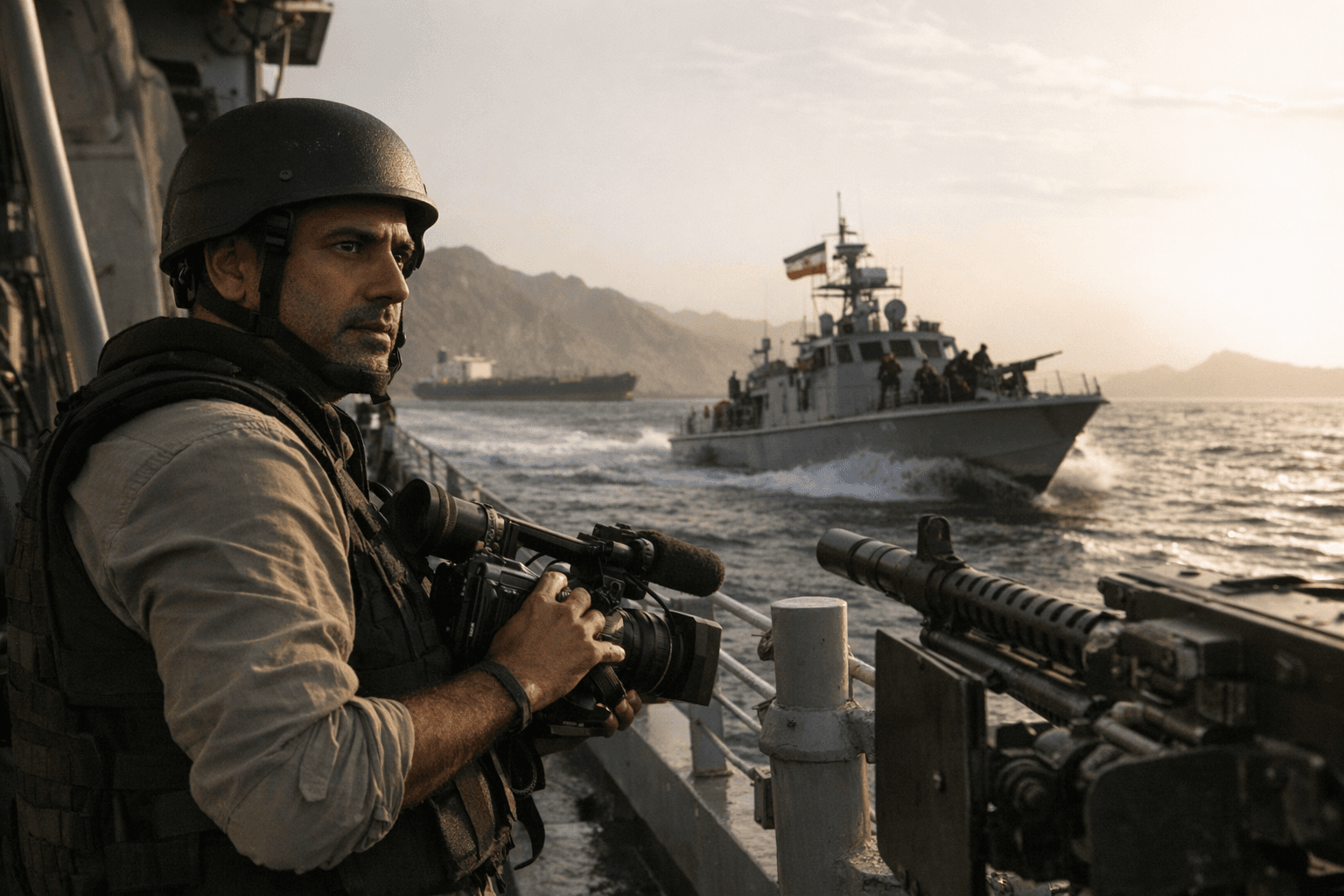
A boat ride through the Strait of Hormuz turned a global energy chokepoint into a close-up scene of war risk, with Imtiaz Tyab becoming the first American network news correspondent to get a look inside the waterway after weeks of planning. CBS News sent Tyab into the strait as the Iran war pushed tanker traffic into disruption and made even a short passage feel like a military calculation.
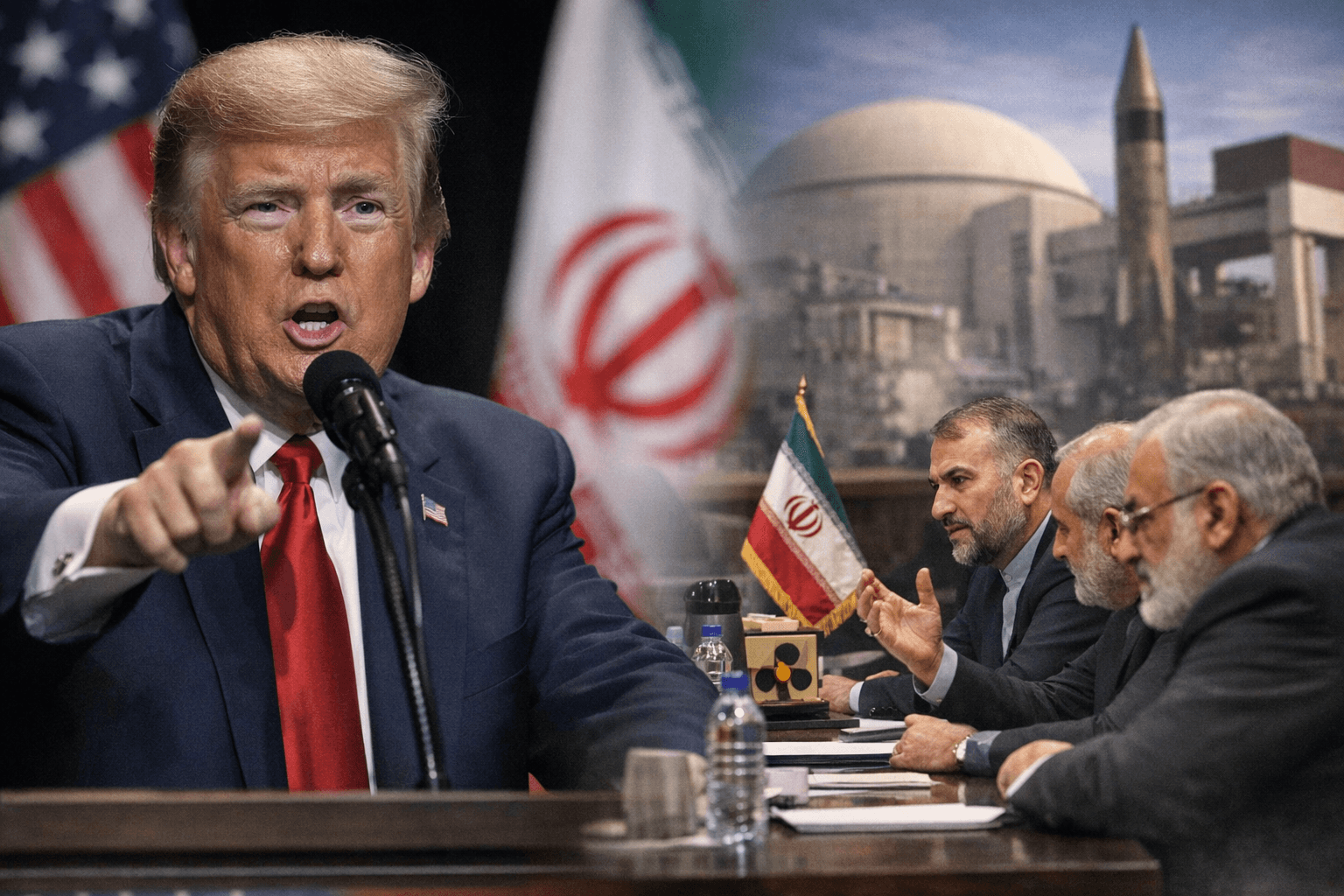
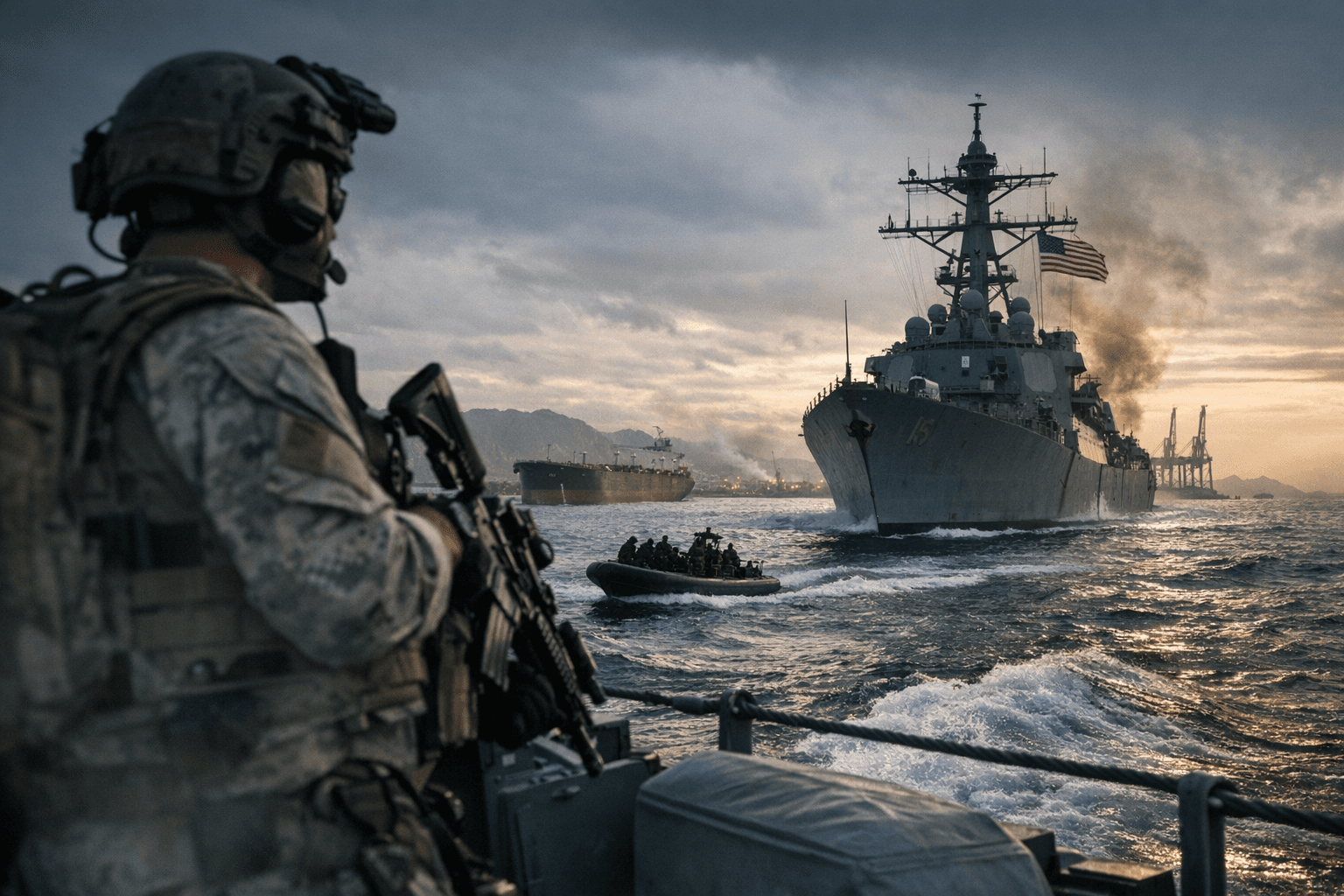
The strait reopened for commercial traffic on April 17, 2026, after a 10-day ceasefire between Israel and Lebanon, but the calm was fragile. President Donald Trump said the U.S. blockade on Iranian ships and ports would remain in force until a deal is completed, keeping the waterway tied directly to the broader conflict even as commercial vessels began moving again.
The scale of what passes through the strait explains why the tension matters far beyond the Gulf. At its narrowest point, the Strait of Hormuz is only 29 nautical miles wide, with two 2-mile-wide shipping lanes separated by a 2-mile buffer zone. The International Energy Agency said about 20 million barrels per day of crude oil and oil products moved through the strait in 2025, roughly 25% of global seaborne oil trade. The U.S. Energy Information Administration said first-half 2025 flows averaged 20.9 million barrels per day, about 20% of global petroleum liquids consumption.
The chokepoint is also vital for liquefied natural gas. The International Energy Agency said the Strait of Hormuz handled around 19% of global LNG trade, including exports from Qatar and the United Arab Emirates, so any prolonged closure would threaten far more than crude shipments. CBS News said the strait had effectively been closed since the start of the U.S.-Iran conflict, and the reopening eased fears in oil markets, where prices fell sharply on the news.
Industry reaction showed how little certainty remains. The Norwegian Shipowners’ Association welcomed the reopening but said questions persisted about sea mines, Iranian conditions and how any arrangement would work in practice. Hapag-Lloyd was still assessing the risks and initially held back from passage. French President Emmanuel Macron said the move went in the right direction, while warning against any attempt to privatize the strait or impose a toll system.
The Strait of Hormuz has long carried that kind of pressure. During the 1980s Tanker War in the Iran-Iraq War, merchant shipping in the Persian Gulf and the strait itself came under attack, a reminder that this narrow waterway can still shake global energy prices, shipping routes and U.S. foreign policy in a matter of hours.
Know something we missed? Have a correction or additional information?
Submit a Tip