U.S. intelligence says China weighed sending Iran advanced radar systems
China was weighing X-band radar for Iran, a system that could sharpen Tehran’s view of low-flying drones and cruise missiles. The move would deepen a shadow security tie.
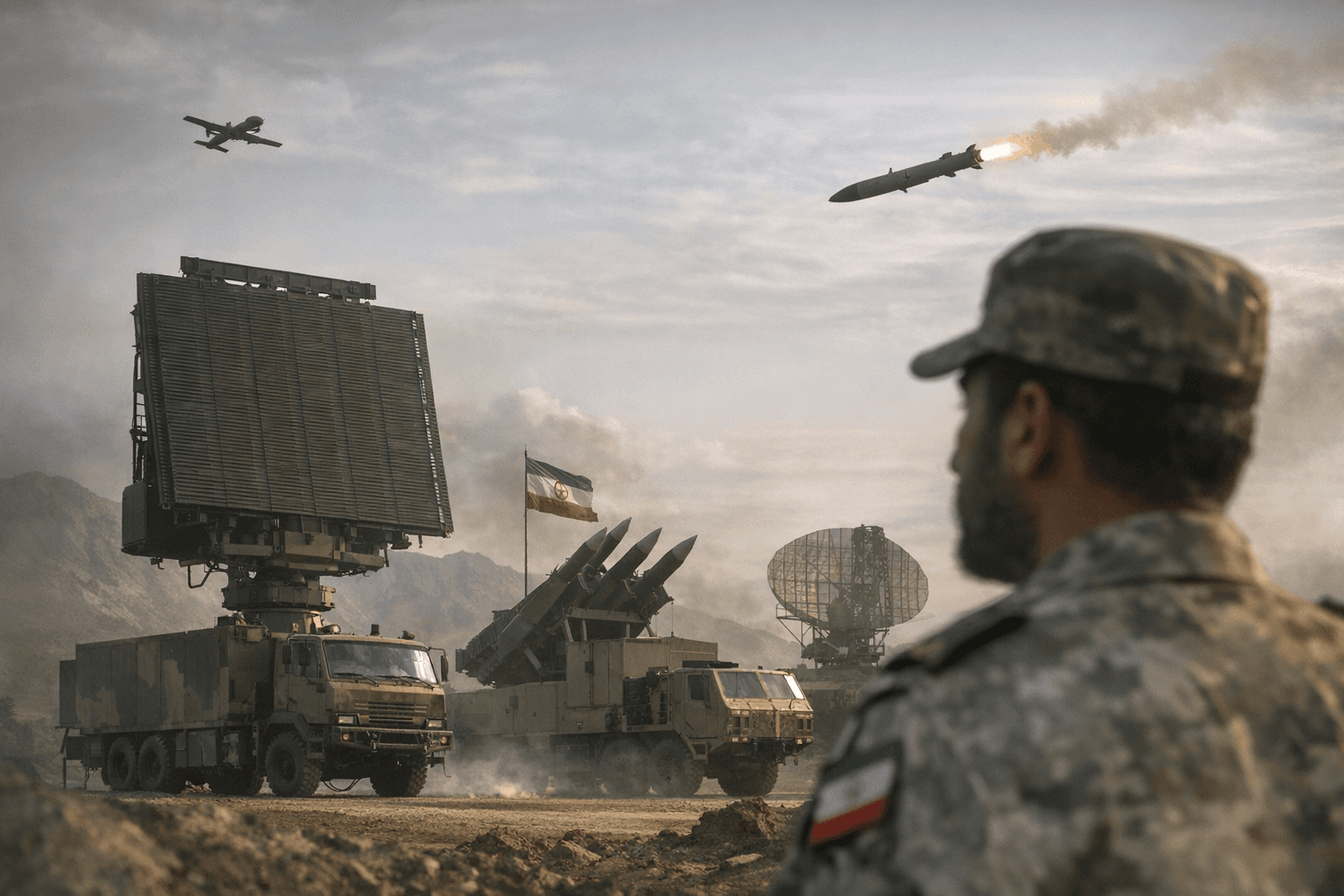
U.S. intelligence detected signs that China was weighing whether to provide Iran with advanced radar systems after the war began, a move that would matter less as symbolism than as battlefield geometry. Advanced X-band radar would give Tehran a clearer picture of low-flying drones and cruise missiles, improve tracking of incoming threats, and help shield Iranian air defenses from sophisticated strikes. If that technology were delivered, it would not make Iran invulnerable, but it would make surprise attacks harder and shorten the advantage held by U.S. and Israeli planners.
The assessment landed in a wider moment of regional escalation. Separate intelligence reporting pointed to Russia sharing information with Iran on American military positions across the Middle East, underscoring that Tehran was not facing the conflict alone. The radar question itself was narrower and more concrete: Beijing was considering support, not confirming delivery. That distinction matters, because the transfer of radar would mark a measurable shift in Iran’s defensive capacity, while also revealing how far China might be willing to go in helping a partner without announcing a formal military alliance.
China and Iran have built that partnership over years. In 2021, the two countries signed a 25-year comprehensive strategic partnership covering economic, security and technological cooperation. The U.S.-China Economic and Security Review Commission says China buys roughly 90% of Iran’s exported oil and helps Tehran evade sanctions through trade networks, technology transfers and dual-use goods. The same commission says Beijing has generally avoided formal defense commitments to Iran, which has allowed China to benefit from the relationship while keeping its public exposure limited.
China’s public line has remained one of restraint. Wang Yi, China’s foreign minister, said on March 8, 2026, that Beijing wanted a ceasefire, an end to hostilities and an effort to keep the conflict from spilling over. That message sits alongside China’s broader regional balancing act, as Beijing tries not to jeopardize ties with Saudi Arabia, the United Arab Emirates and other Gulf states even while Iran depends on China for oil revenue and diplomatic backing.
The strategic risk is clear. If Beijing moved from weighing support to actually sending advanced radar, Iran’s air-defense picture would improve at the exact point U.S. and Israeli forces depend on speed, stealth and surprise. That would raise the cost of operations, complicate mission timing, and deepen a conflict that already threatens to widen beyond the immediate battlefield.
This article was produced by Prism’s automated news system from verified source data, official records, and press releases, then run through automated quality and moderation checks before publishing. The system is built and supervised by the people who set the standards it runs under. Read our full AI policy.
Did this article answer your question?