Trump Restores Narrow Russian Oil Waiver as Energy Market Scramble Deepens
Trump’s team reopened a narrow Russian oil waiver as gasoline prices climbed and midterm pressure mounted, even after Scott Bessent said it would not be renewed.
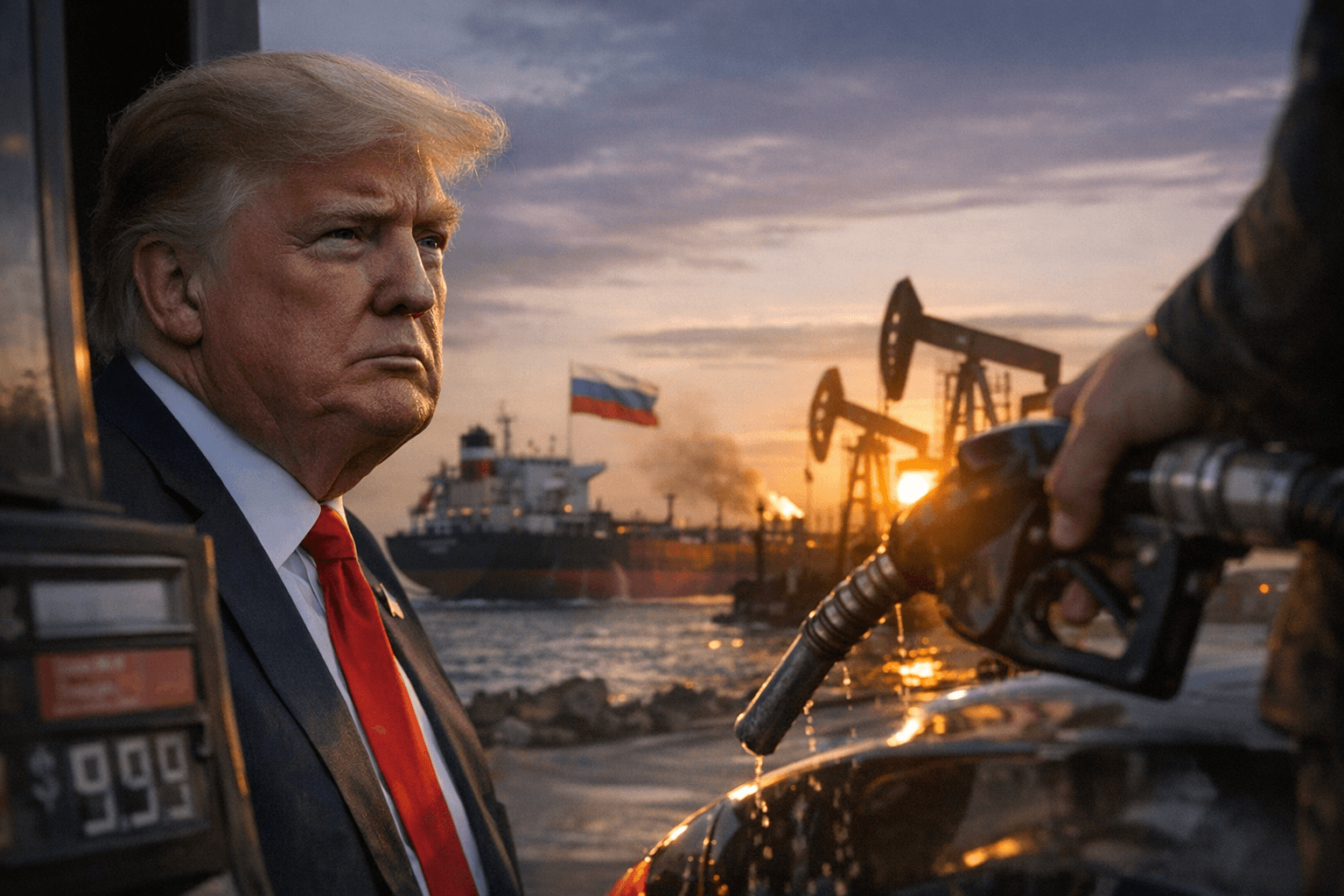
The White House restored a narrow Russian oil waiver because the politics of higher gasoline prices mattered more than the optics of toughness. Treasury’s new license covers only crude and petroleum products already loaded on vessels, but it gives the administration a short-term way to keep fuel flowing as oil markets reel from the war with Iran.
The Treasury Department issued General License 134B on April 17, authorizing the delivery and sale of Russian-origin crude oil and petroleum products loaded on vessels as of that day. The authorization runs only through 12:01 a.m. EDT on May 16, and it does not reopen broader Russian oil trade. It replaced a 30-day waiver issued March 12, which expired on April 11. Two days before the reversal, Treasury Secretary Scott Bessent said the United States would not renew the Russian and Iranian oil waivers.
The move came after a sharp energy shock in the Middle East. Brent crude had climbed more than 30% above pre-conflict levels after the U.S. and Israel launched military action against Iran, then dropped when Iran said commercial shipping could again pass through the Strait of Hormuz. Reuters reported that Brent settled down 9.07% to $90.38 a barrel and West Texas Intermediate fell 11.45% to $83.85. The Treasury step followed hours after Iran said the strait was open to commercial ships, underscoring how quickly the administration was scrambling to steady supply lines and limit gasoline spikes.
Pressure also came from Asia. India and the Philippines urged Washington to extend the waiver because they faced fuel shortages and supply disruptions. Philippine Energy Secretary Sharon Garin said on April 14 that Manila was asking for an extension and preparing alternatives if it was denied, including possible supplies from South America, Canada and the United States. The Philippines’ push reflected a broader effort to diversify fuel sourcing while preserving near-term access to Russian cargoes already at sea.
The decision also exposed the clash between sanctions policy and consumer politics at home. European allies and some members of Congress had criticized the earlier waiver as a way of letting adversaries profit from the energy shock, even as Russia’s war on Ukraine continued. But Trump had said days earlier that oil and gasoline prices might stay high through November’s midterm elections, a warning that made the domestic cost of a fresh price surge impossible to ignore. Treasury cast the license as a stabilization measure; critics saw a practical retreat from sanctions pressure in the face of a volatile market.
This article was produced by Prism’s automated news system from verified source data, official records, and press releases, then run through automated quality and moderation checks before publishing. The system is built and supervised by the people who set the standards it runs under. Read our full AI policy.
Did this article answer your question?