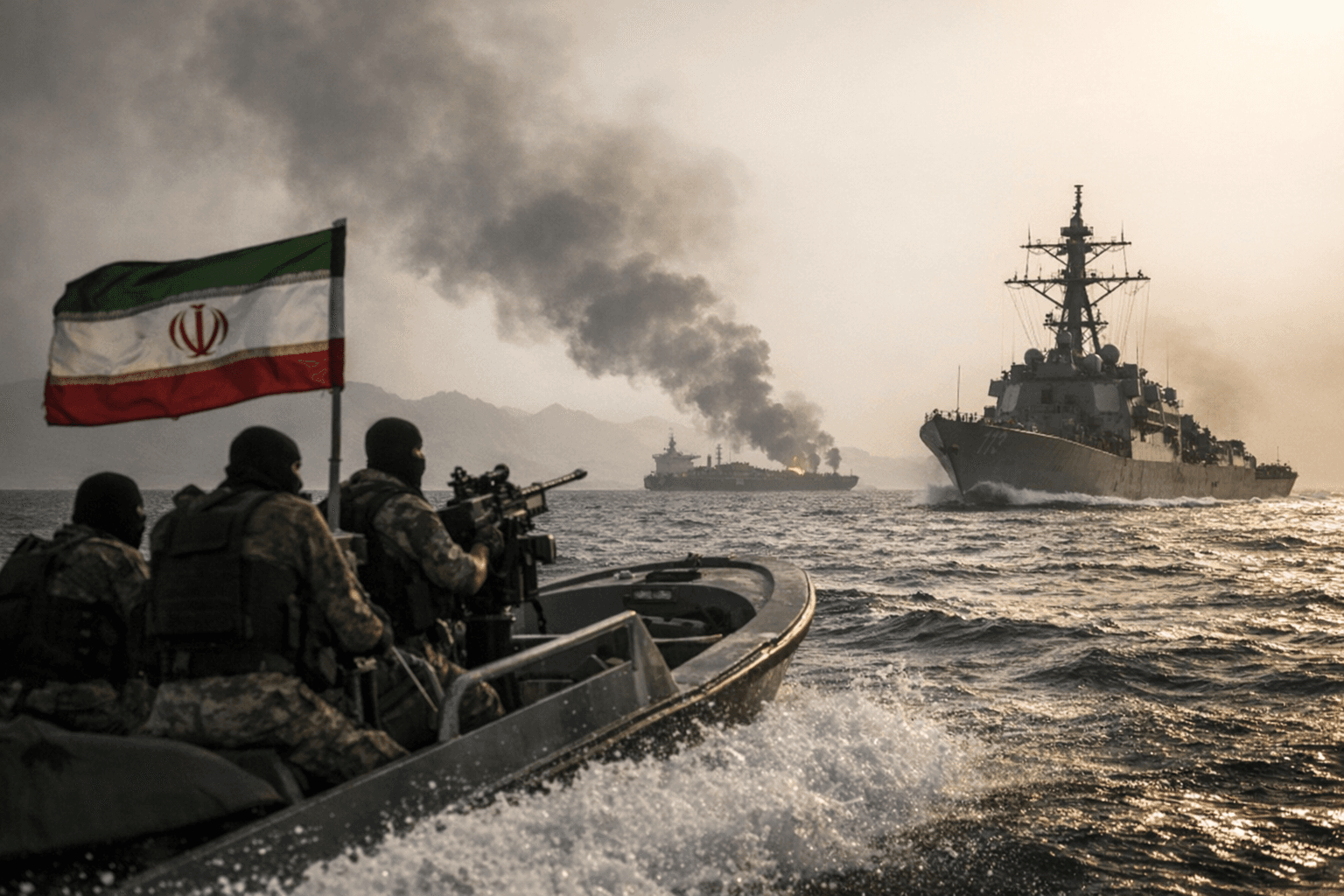
Iran Reopens Strait of Hormuz, Trump Keeps Naval Blockade in Place
Iran said the Strait of Hormuz was open for commercial ships, but Trump kept the U.S. blockade on Iranian ports, leaving shippers to weigh two competing claims of control.
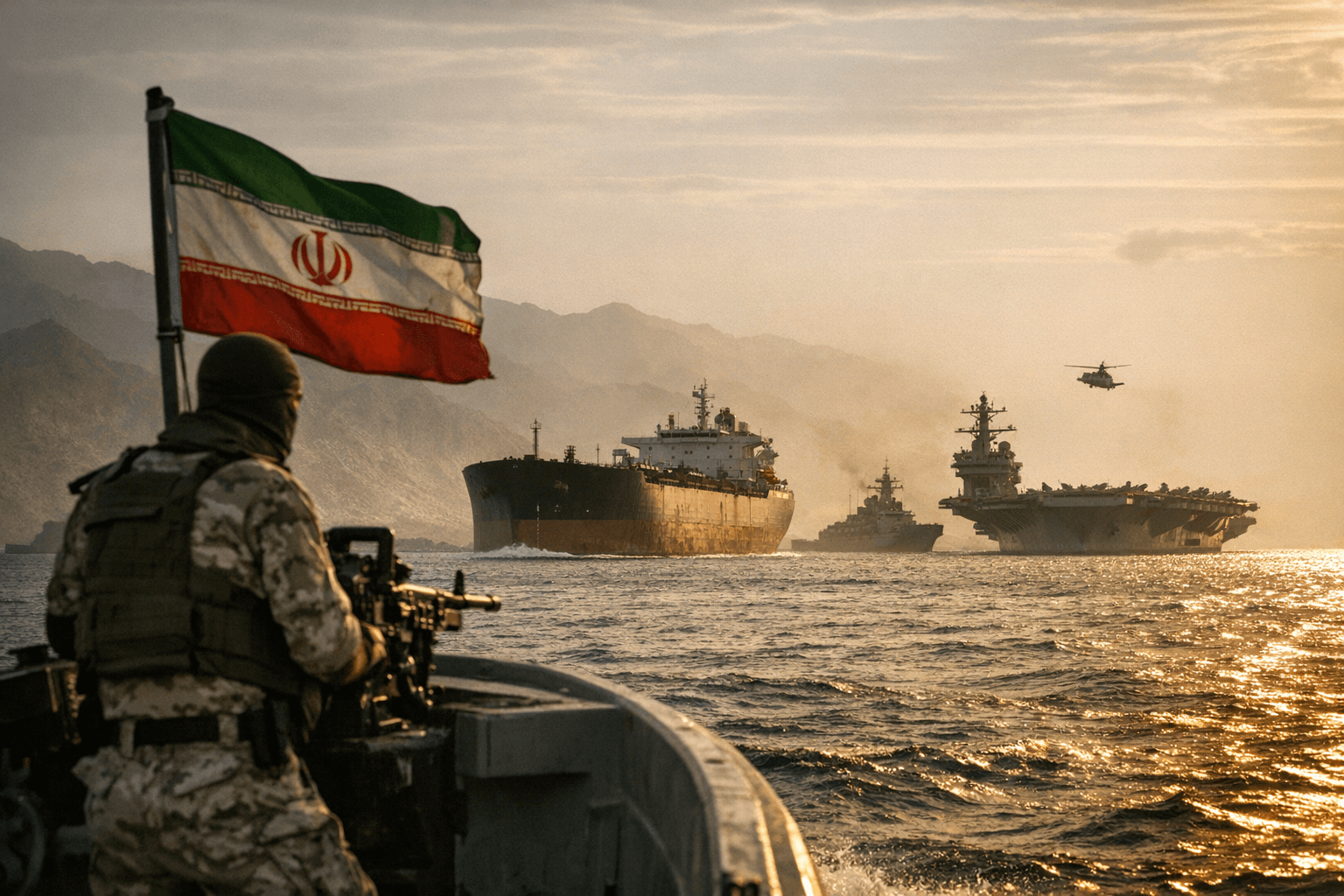
Commercial ships moving through the Strait of Hormuz were caught between two authorities with opposite messages: Iran said the waterway was open, while Donald Trump kept the U.S. naval blockade on Iranian ports in force until a deal with Tehran was completed.
Abbas Araghchi, Iran’s foreign minister, said passage for all commercial vessels through the strait had been declared completely open for the remaining period of the ceasefire. He said ships would use a coordinated route announced by Iranian maritime authorities, a detail that matters because it suggests the reopening is being managed, not fully normalized. Trump welcomed Iran’s announcement, but made clear that the U.S. blockade on vessels entering or leaving Iranian ports would remain in place.
That split leaves the practical question unresolved: who controls commercial risk on the water? The Strait of Hormuz is one of the world’s most important chokepoints, ordinarily carrying about one-fifth of global oil and gas exports. After roughly six weeks in which the strait had been largely closed to most commercial traffic, even a partial reopening immediately affects energy markets, insurers, and shipping lines that must decide whether the new access is reliable or conditional.
The uncertainty is intensified by the blockade itself. The U.S. restrictions on vessels entering or leaving Iranian ports have already added to confusion over shipping through the strait, and the reopening does not appear to erase that risk. Shipping operators now have to account for a narrow corridor that may be open in theory but still exposed to enforcement pressure, changing political terms, and possible shifts in access if the ceasefire collapses.
The ceasefire between Israel and Lebanon reportedly began at 5 p.m. Eastern Time Thursday and was set to last 10 days. António Guterres, the United Nations secretary-general, welcomed Iran’s announcement and said he hoped it would help create confidence between the parties and strengthen the dialogue facilitated by Pakistan. That diplomatic support, however, does not change the basic commercial calculation: until the ceasefire holds and the blockade question is settled, the strait may be open on paper while shipping firms still price in the risk of closure, detention, or escalation.
Know something we missed? Have a correction or additional information?
Submit a Tip