Trump says U.S. should take over, charge for Strait of Hormuz security
Trump said the U.S. should "take over" the Strait of Hormuz and be reimbursed, even as 6,000 seafarers were stranded in the chokepoint's near-shutdown.
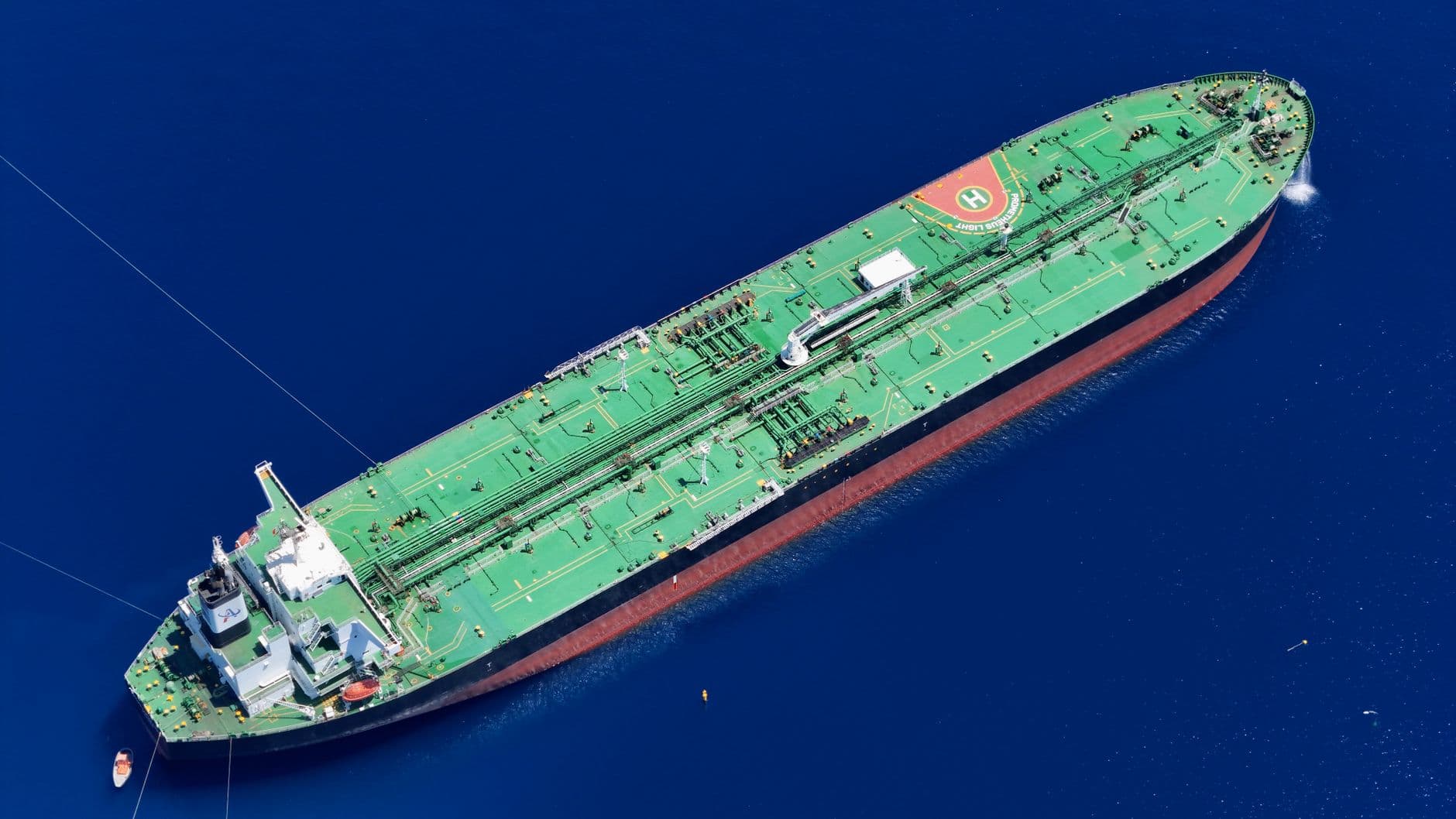
Donald Trump said the United States should "take over" the Strait of Hormuz and be reimbursed for guarding it, putting a price tag on one of the world’s most dangerous shipping lanes. In a Fox News interview Monday, he said, "We'll become the guardian of the Strait. Maybe we'll call it the 'Guardian Angel of the Strait.' And we should be reimbursed for that."
The remark came as U.S.-Iran fighting around the waterway intensified and shipping slowed to a near standstill. Trump also said the United States would "probably take over" the strait and "probably run it," while saying the country had been guarding it for "nothing." He did not name the governments he expected to pay, but he pointed toward wealthy Persian Gulf energy producers, turning a security question into a demand for compensation.
The Strait of Hormuz is the only sea channel linking the oil-rich Persian Gulf with the Gulf of Oman and the Arabian Sea. Britannica places it at about 35 to 60 miles wide, and more than 20% of global oil and liquefied natural gas exports pass through it. That concentration makes the route a direct lever on global energy prices and inflation, and it explains why any proposal to "guard" it would carry military, financial and legal consequences far beyond the water itself.
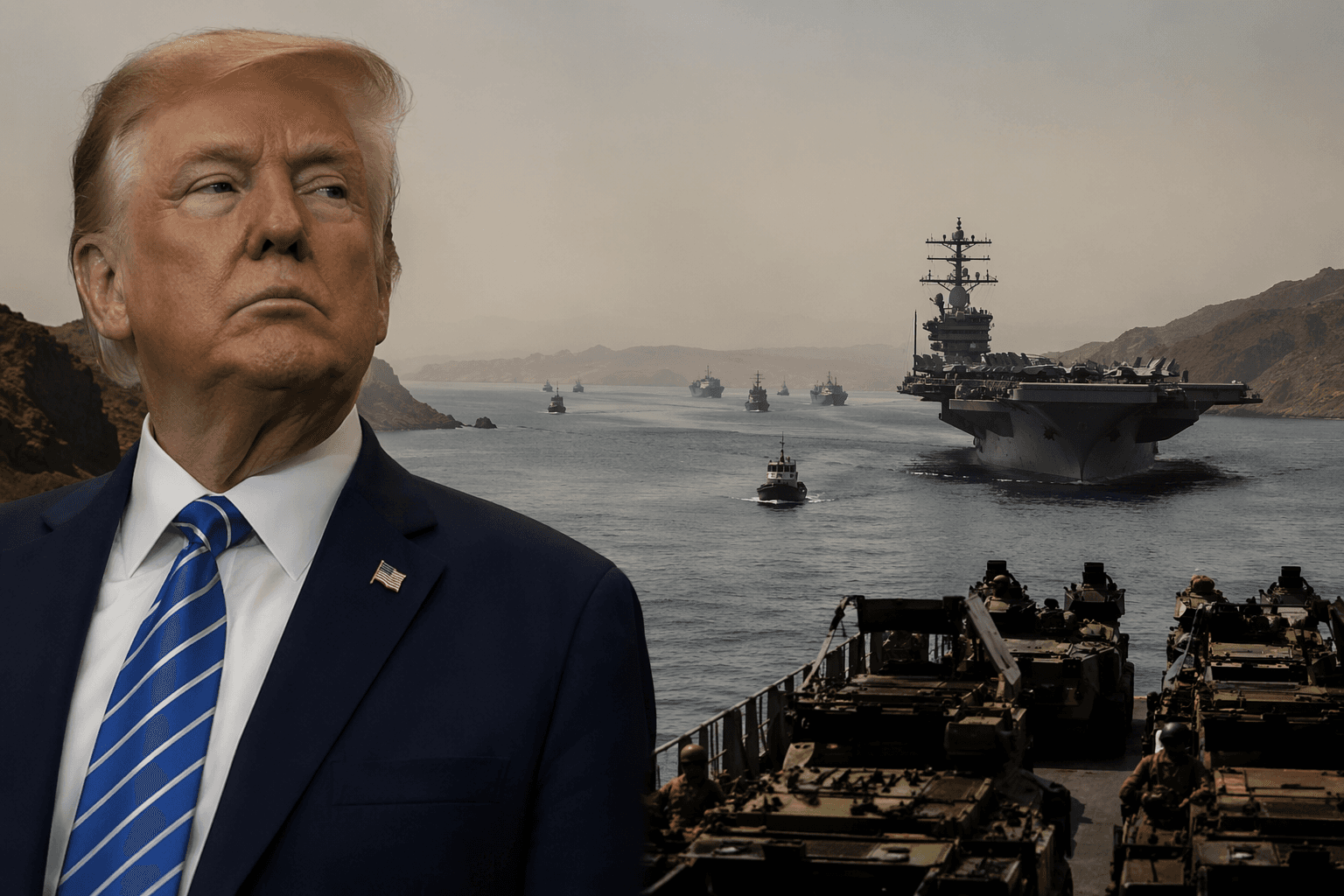
The pressure on the strait was already severe. The United Nations said around 6,000 seafarers were stranded aboard hundreds of vessels after renewed hostilities pushed shipping close to a halt, and the International Maritime Organization called for "maximum restraint and de-escalation." Iran’s joint military command warned oil tankers to use approved routes or face a "forceful response," while vessels were already using at least two paths, including an Iranian corridor near Larak Island and a narrow Omani route.
The dispute has also become a sovereignty fight, not just a security one. Iran and Oman negotiated a 1968 maritime agreement that long governed the main pathways through the strait, but Iran is now rejecting that arrangement. Talks over navigation have involved Qatari mediators, underscoring how regional powers are trying to keep traffic moving even as Washington’s language raises the risk of a larger confrontation with Tehran.
This article was produced by Prism’s automated news system from verified source data, official records, and press releases, then run through automated quality and moderation checks before publishing. The system is built and supervised by the people who set the standards it runs under. Read our full AI policy.
Did this article answer your question?