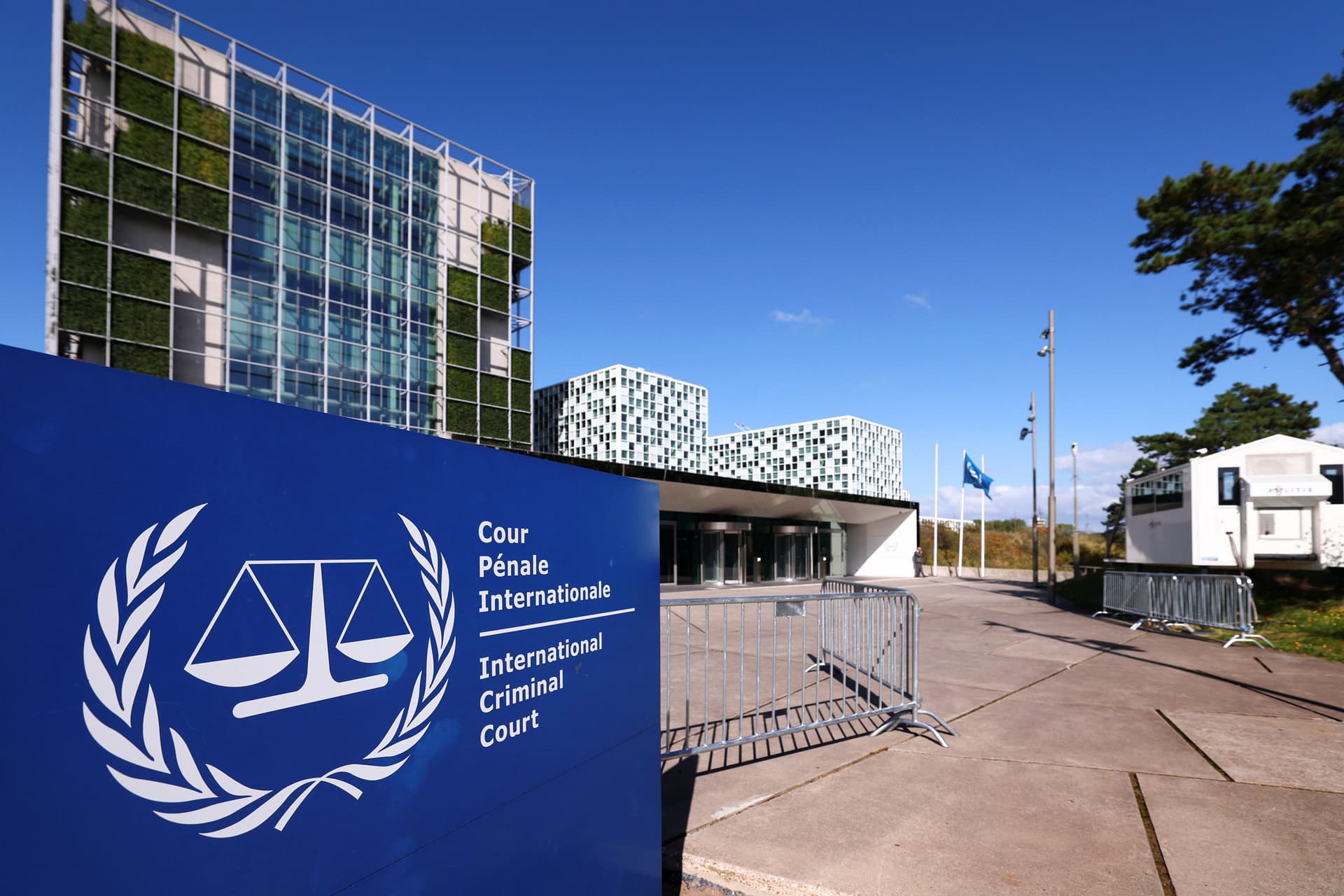
Iraq’s prime minister seeks U.S. investment in oil and power sectors
Ali al-Zaidi went to Washington seeking U.S. investment as a new Hamrin deal promised 140,000 barrels a day and more gas for Iraq’s grid.
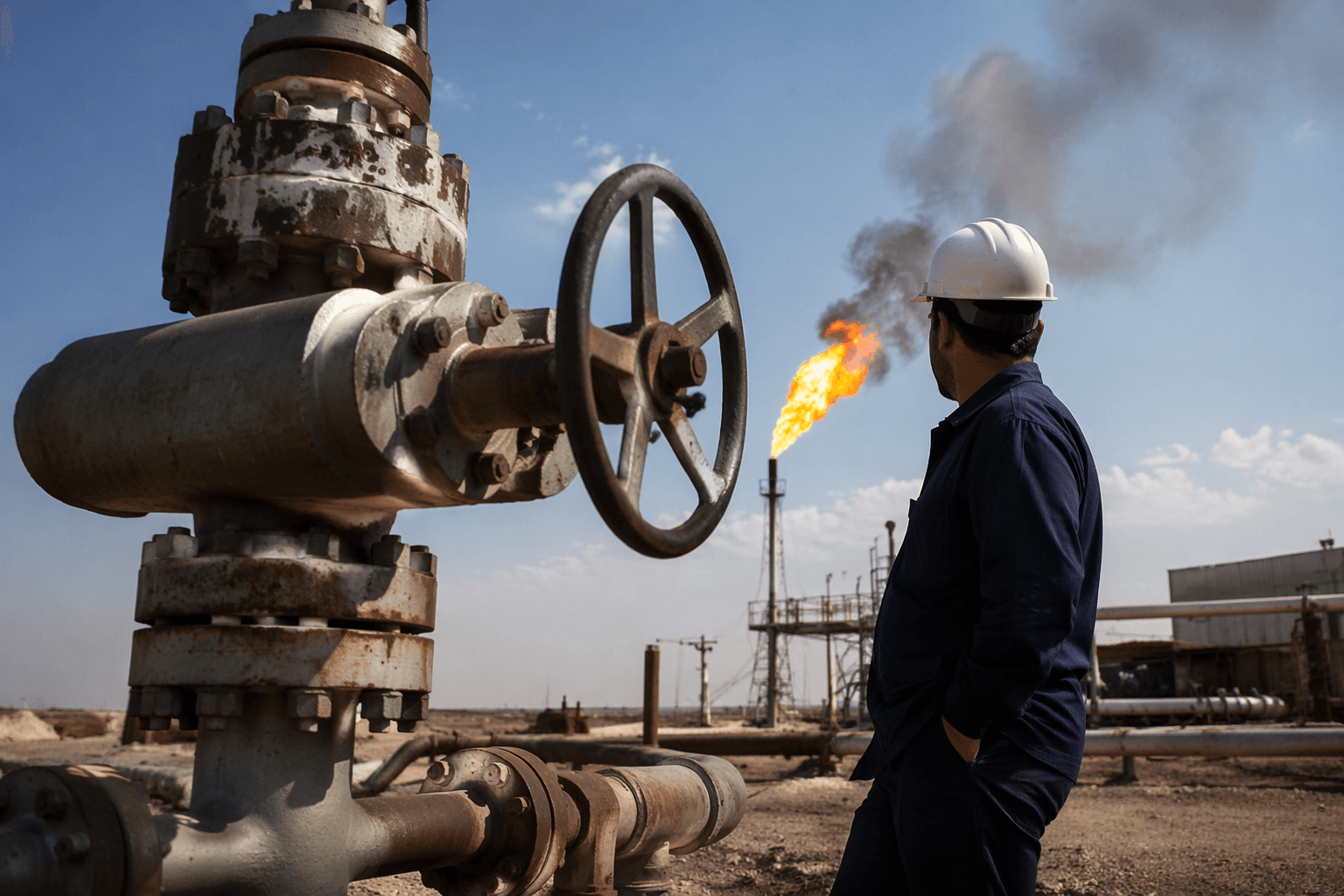
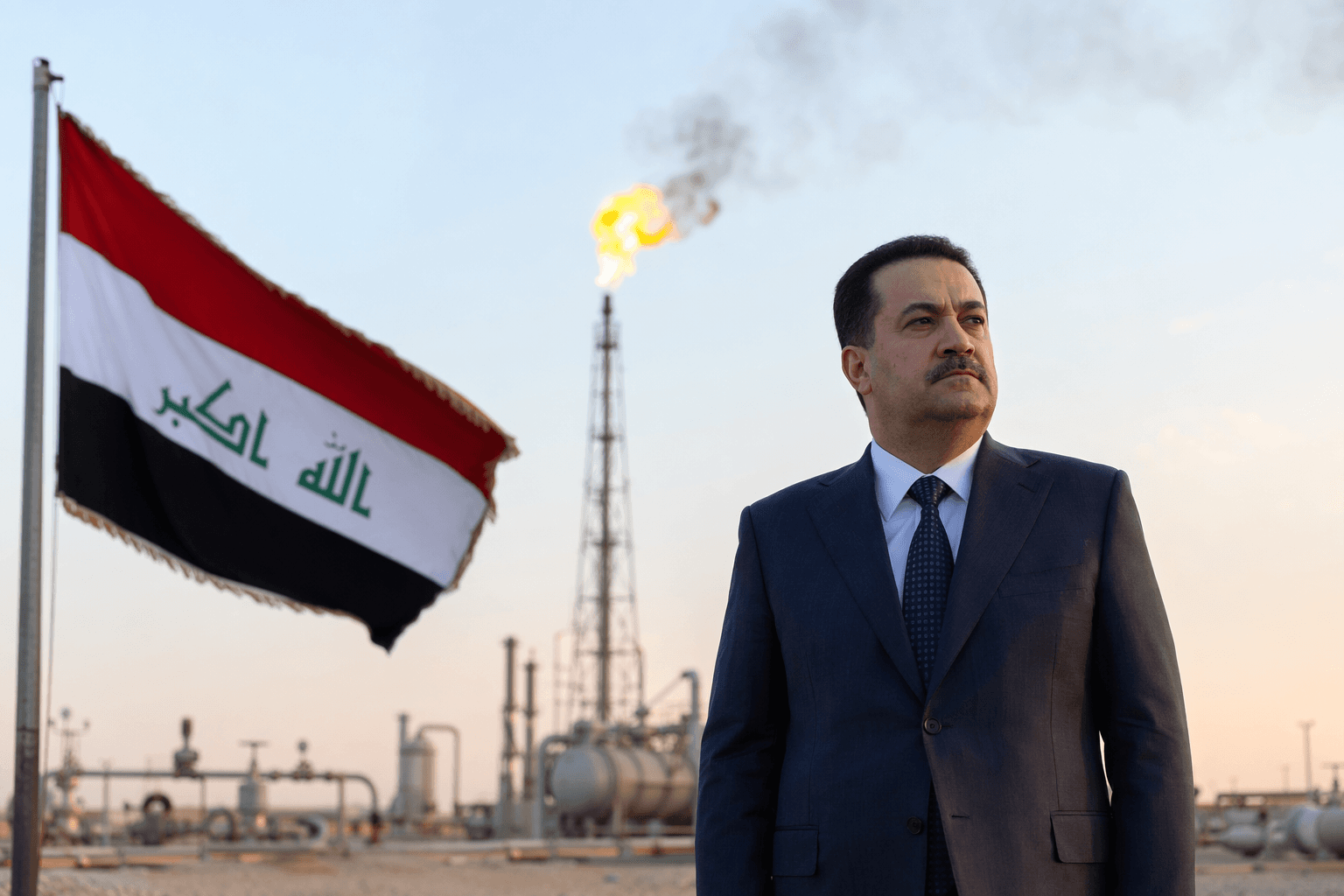
Iraq’s state-owned North Oil Company and HKN Energy signed a development contract on July 9 and 10 at Hamrin, also known as Himreen. Ali al-Zaidi headed to the White House seeking major U.S. investment in Iraq’s oil, gas and power sectors as Baghdad tried to turn its energy wealth into cash and electricity. The July 13-18 visit followed a war with Iran that hammered crude output and strained state finances, leaving the government looking for faster development, more reliable exports and a steadier power supply.
The project is expected to reach peak output of 140,000 barrels per day of oil and 40 million standard cubic feet per day of associated gas, with the gas slated for power generation and surplus volumes reinjected to maintain reservoir pressure rather than burned off.
Iraq has approved final terms for a Chevron framework on West Qurna 2, and officials have also been discussing Chevron involvement in the Nasiriyah field. Basra Oil Company has separately signed a non-disclosure agreement with Chevron to examine West Qurna 2 and begin talks on a future development deal.
Iraq and U.S. officials have talked about support for HKN Energy, Western Zagros and Hunt, along with Excelerate Energy’s proposed floating LNG import terminal at Khor al-Zubair and a memorandum of understanding with TI Capital to rehabilitate the Kirkuk-Banias pipeline route. Security guarantees for American operators in the semi-autonomous Kurdistan region are also on the agenda, alongside revived plans for strategic export lines to Mediterranean markets.
In spring 2026, electricity supply was roughly 29 GW against normal demand near 40 GW, and the summer shortfall was about 27 GW. That gap has made gas imports, LNG alternatives and faster upstream investment politically pressing as households and industry endure chronic outages.
Tom Barrack has already praised Iraq’s talks with Chevron, and the Atlantic Council wants the Trump administration to reduce dependence on Iranian energy, disarm Iran-backed militias and expand opportunities for U.S. businesses.
This article was produced by Prism’s automated news system from verified source data, official records, and press releases, then run through automated quality and moderation checks before publishing. The system is built and supervised by the people who set the standards it runs under. Read our full AI policy.
Did this article answer your question?