Typhoon Bavi floods northern China, strands villagers and shuts schools
Floodwaters swallowed roads in Hebei and Liaoning, stranding 1,800 villagers in Kuancheng as schools and rail lines shut across the northeast.

Floodwater swallowed roads in Hebei and Liaoning, stranded about 1,800 villagers in Kuancheng county and forced schools and rail lines to shut across northern China as Typhoon Bavi pushed torrential rain and dangerous winds inland. The storm’s reach stretched far beyond the coast, with officials warning that more heavy rain could keep disrupting daily life across a broad swath of the country.
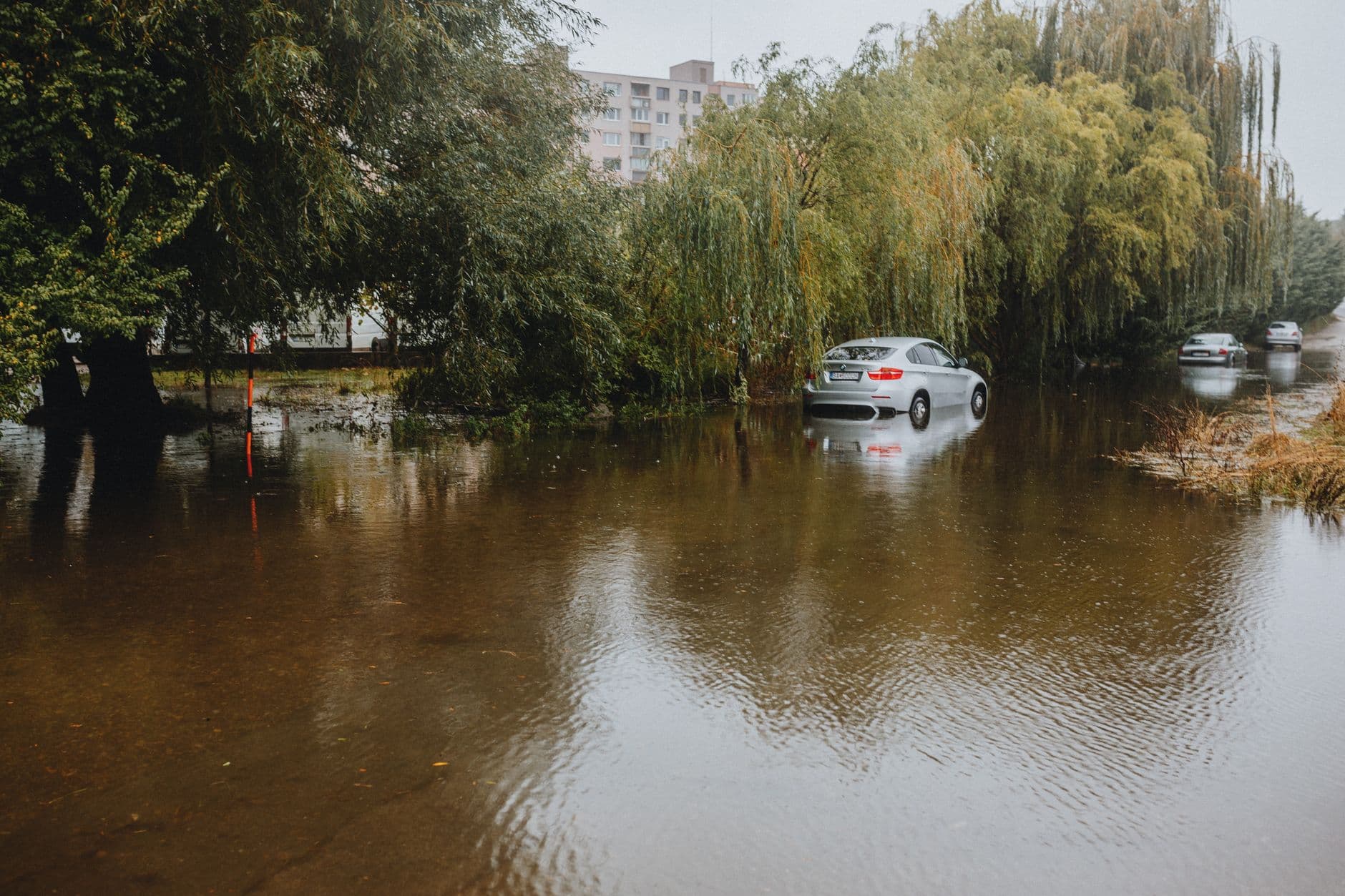
In Kuancheng, a county of roughly 240,000 people along the Luan River, water on some roads climbed past two meters. Local media said cars were swept away and neighborhoods were turned into waterways, while Hebei authorities put relocation and resettlement at the top of the response. Social media videos showed residents moving through the floodwater by swimming, paddleboards and other improvised means, a stark picture of how quickly ordinary transport had broken down.
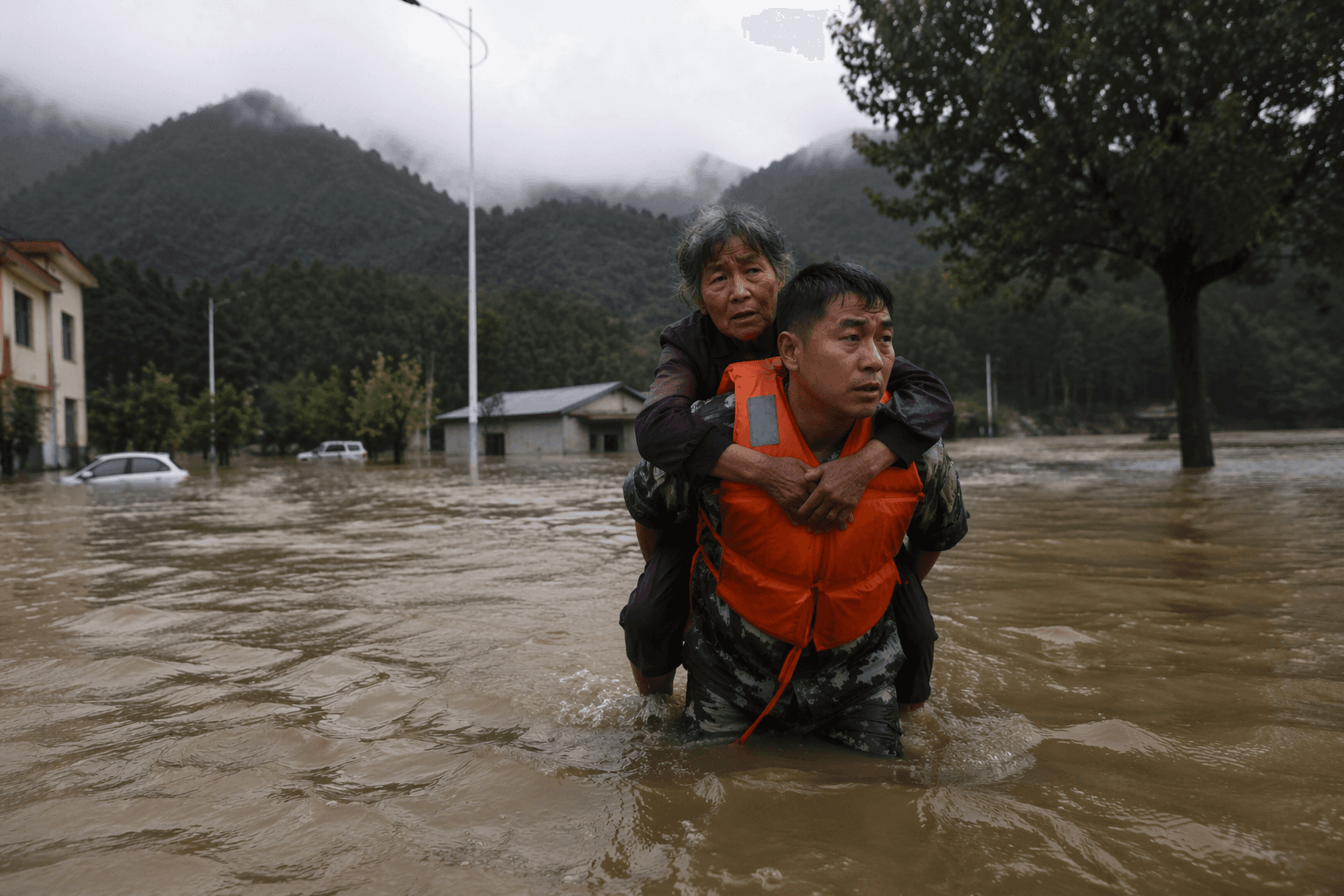
The disruption spread through the northeast. China Railway said more than 30 railway sections in Shenyang were affected, and state media reported that several cities in Liaoning, including Shenyang and Fushun, suspended classes, business operations and work on Monday as river levels rose sharply. Schools were also closed in parts of Jilin, adding to the shutdown of everyday services across the region.
Officials had already raised alarms before the flooding intensified. Beijing issued the highest-level heavy-rain alerts for six districts and warned of up to 150 mm of rain within six hours on July 9, along with flash floods, mudslides and landslides. In an earlier phase of the storm response, Beijing shut parks, public events, some construction projects and train services, and evacuated residents from high-risk areas.

The China Meteorological Center said Bavi weakened after landfall in Zhejiang but still threatened days of rain across eastern and northern China. Heavy rainfall was expected across Jilin, Liaoning, Hebei, Shandong, Jiangsu and Anhui, with thunderstorms, hail and very strong winds possible in some areas. The Ministry of Water Resources also raised its flood alert to yellow, the third-highest level in China’s four-tier warning system.
The emergency has again put northern China’s flood defenses, rail links and evacuation systems under pressure. Last July’s extreme rain in the north killed at least 60 people, including 31 residents at a care home, and authorities moved quickly this time as Bavi, described as the most powerful storm to strike mainland China this year, kept its rain band parked over densely populated provinces.
This article was produced by Prism’s automated news system from verified source data, official records, and press releases, then run through automated quality and moderation checks before publishing. The system is built and supervised by the people who set the standards it runs under. Read our full AI policy.
Did this article answer your question?