Trump says Xi backed reopening Strait of Hormuz, China stays vague
Trump claimed Xi backed reopening Hormuz, but Beijing would not say so. The gap matters because the strait moves about 20% of global oil and LNG.

Donald Trump said Xi Jinping agreed that Tehran must reopen the Strait of Hormuz, but China’s public response stopped short of backing that position, leaving the most consequential part of the exchange unresolved. The gap is more than diplomatic noise: it sits at the intersection of sanctions enforcement, Chinese energy imports, and a chokepoint that helps set global oil prices.
Trump made the comments aboard Air Force One after two days of talks with Xi in Beijing, and said he was weighing whether to lift U.S. sanctions on Chinese oil companies buying Iranian crude. He also tried to avoid the appearance of a tradeoff, saying he was not asking for favors. But Beijing did not publicly commit to pressing Tehran, and the Chinese foreign ministry’s language was limited to saying the war should never have happened and should not continue.

The ambiguity matters because China is the biggest buyer of Iranian oil. Treasury guidance in late April said China purchases about 90% of Iran’s oil exports, with independent Chinese teapot refineries in Shandong Province taking most of that crude. That gives Beijing unusual leverage over Iran’s revenue stream, and it also makes any Chinese pressure on Tehran central to the U.S. sanctions regime. If Washington loosens sanctions on Chinese buyers, it would be one of the clearest signs that energy security is now being bargained alongside ceasefire diplomacy.

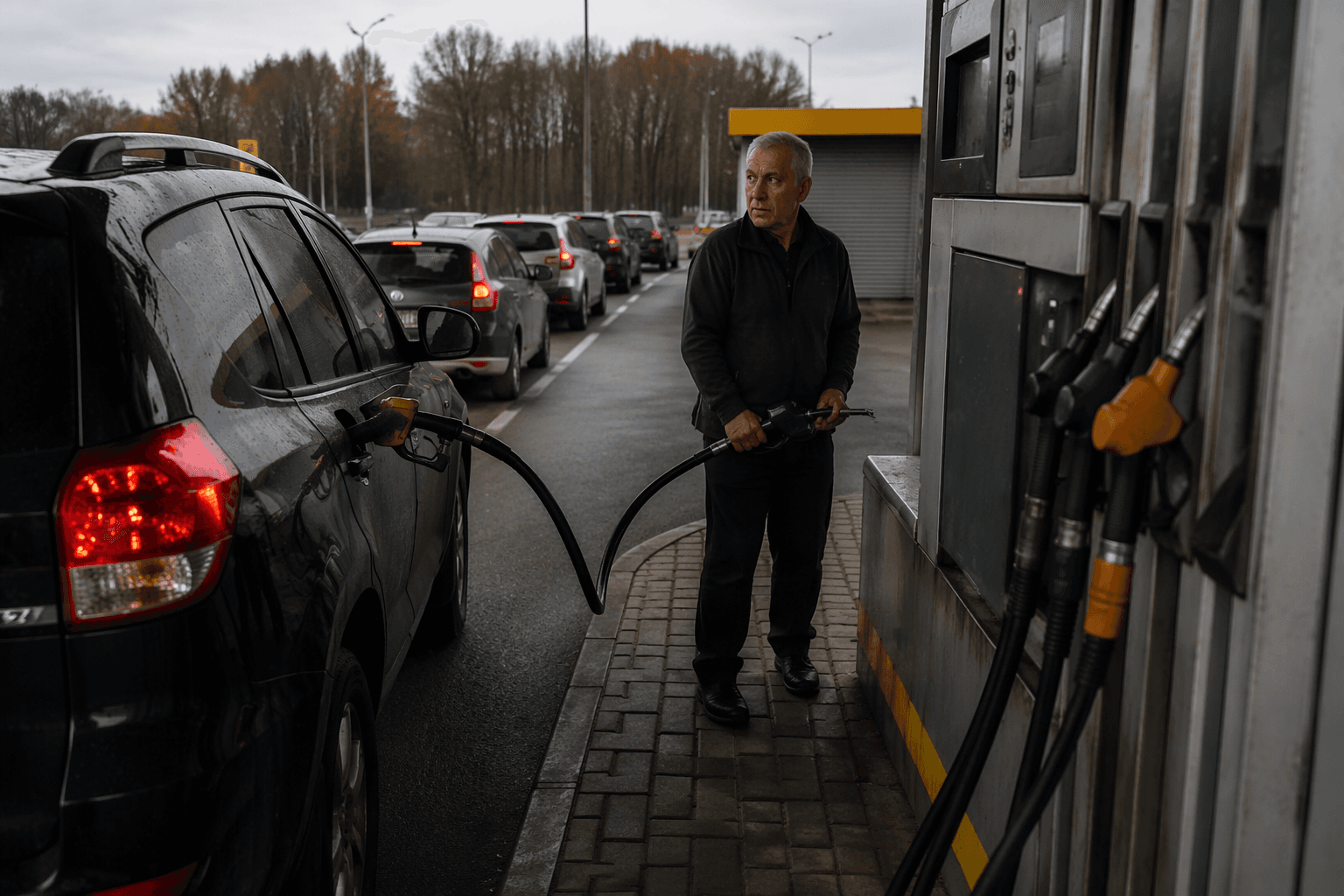
The stakes around Hormuz are enormous. The U.S. Energy Information Administration says about 20 million barrels per day of oil, roughly 20% of global petroleum liquids consumption, normally moves through the strait, along with about one-fifth of global liquefied natural gas trade. The International Energy Agency says about 80% of the oil that passes through Hormuz is bound for Asia, while Qatar and the United Arab Emirates depend on it for nearly all of their LNG exports. Any disruption ripples quickly through shipping insurance, tanker routes, refinery costs, and the fuel prices that American drivers see at the pump.
Those risks have already been exposed. The International Energy Agency said in March that the Middle East war created the largest supply disruption in the history of the global oil market, after flows through Hormuz fell from about 20 million barrels per day to a trickle and Gulf producers cut output by at least 10 million barrels per day. The United States had urged China to press Iran to reopen the strait, underscoring how Washington is trying to use Beijing’s oil ties as leverage. For now, Trump is projecting alignment with Xi, while China is choosing caution, and Iran is keeping the strait shut until the U.S. blockade ends.
This article was produced by Prism’s automated news system from verified source data, official records, and press releases, then run through automated quality and moderation checks before publishing. The system is built and supervised by the people who set the standards it runs under. Read our full AI policy.
Did this article answer your question?