Trump scraps Pakistan peace trip after Iran offer falls short
Trump pulled U.S. envoys from an 18-hour Pakistan trip after Iran’s offer fell short, stalling talks as Islamabad’s mediation effort unraveled.
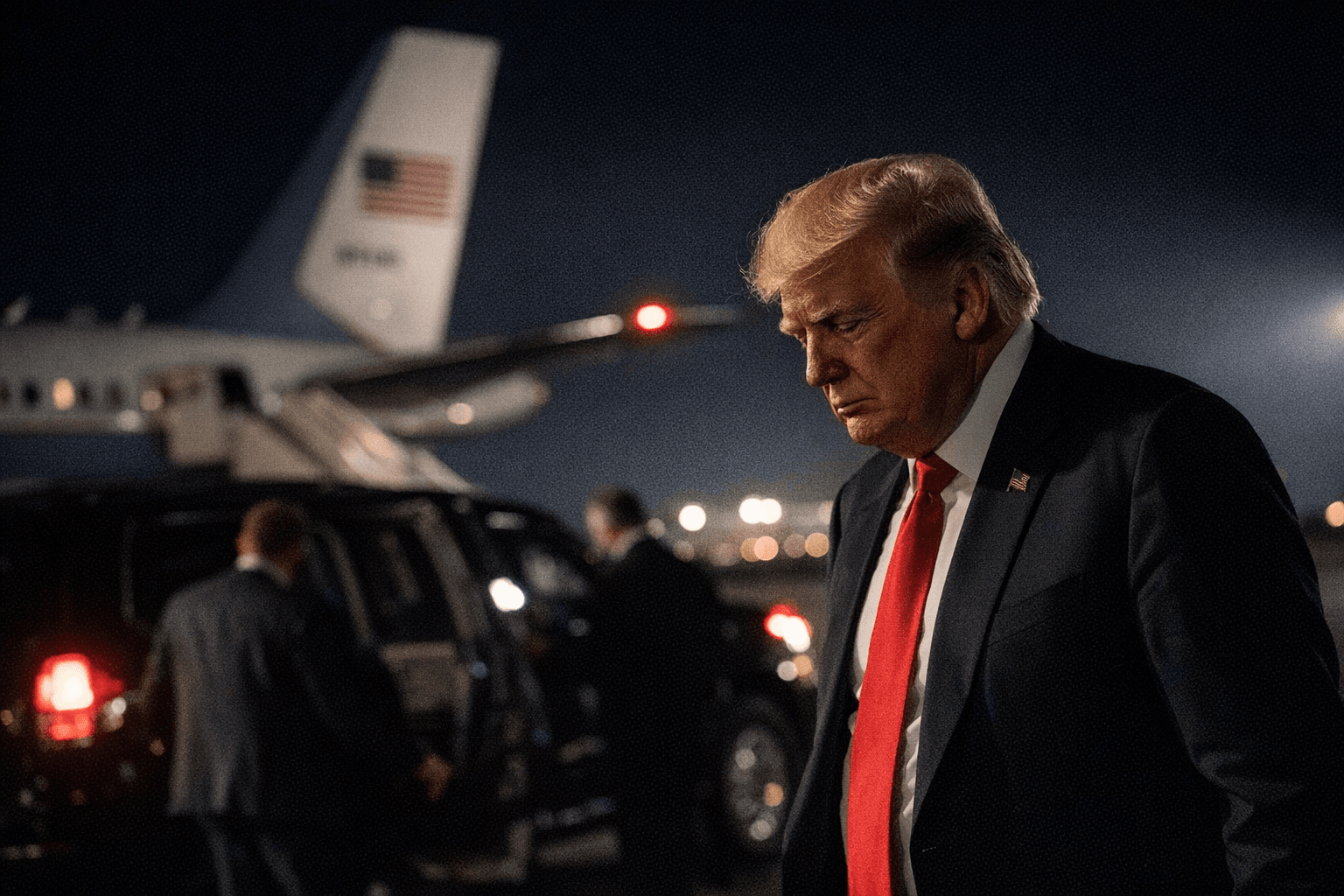
A last-minute collapse in Islamabad stopped a second round of U.S.-Iran peace talks before they could begin, after Donald Trump pulled back Steve Witkoff and Jared Kushner and said Iran had offered “a lot, but not enough.” He said he would not send the envoys on an 18-hour flight “to sit around talking about nothing,” a sharp sign that the two sides remained far apart despite Pakistan’s frantic mediation.
The breakdown landed in a capital already fortified for diplomacy that never arrived. Islamabad had been under heavy security, with soldiers, police, checkpoints, road closures, diversions and helicopters overhead as Pakistani officials tried to keep the process alive. Iranian Foreign Minister Abbas Araghchi traveled to Islamabad twice over the weekend and met Prime Minister Shehbaz Sharif, Foreign Minister Ishaq Dar and Army Chief Asim Munir, underscoring how much effort had gone into keeping the channel open.
Pakistan had positioned itself as the main go-between, but the weekend made clear how fragile that role had become. Iranian state media said direct talks with the United States were never planned and that Pakistan would serve as the intermediary, while mediators were still trying to bridge major gaps between Washington and Tehran. One of the key sticking points, according to a mediation source, was Iran’s demand that the U.S. blockade of Iranian ports be lifted before any new round of talks.
The failure came after an earlier round of negotiations in April also ended without a deal. Trump had already extended the ceasefire agreed on April 7, but the war that followed joint U.S.-Israeli strikes on February 28 had continued to hang over the talks. The conflict has killed thousands of people and shaken the global economy, with markets especially exposed to the Strait of Hormuz, the narrow waterway through which about one-fifth of the world’s oil flows in peacetime.
For Washington, the stalled diplomacy leaves a familiar risk: if the talks do not move forward, the fighting could harden into a longer confrontation with wider regional consequences. For Pakistan, the collapse was a setback to its effort to present itself as a central mediator in one of the most volatile crises in the Middle East, and for Iran and the United States it exposed how far apart they remain after two failed rounds and a ceasefire that still has not resolved the conflict underneath it.
This article was produced by Prism’s automated news system from verified source data, official records, and press releases, then run through automated quality and moderation checks before publishing. The system is built and supervised by the people who set the standards it runs under. Read our full AI policy.
Did this article answer your question?


