Trump Sets Deadline for Iran to Reopen Strait of Hormuz
Trump's 8 p.m. Tuesday deadline for Iran to reopen the Strait of Hormuz puts 20% of global oil supply at stake for the first time in history.

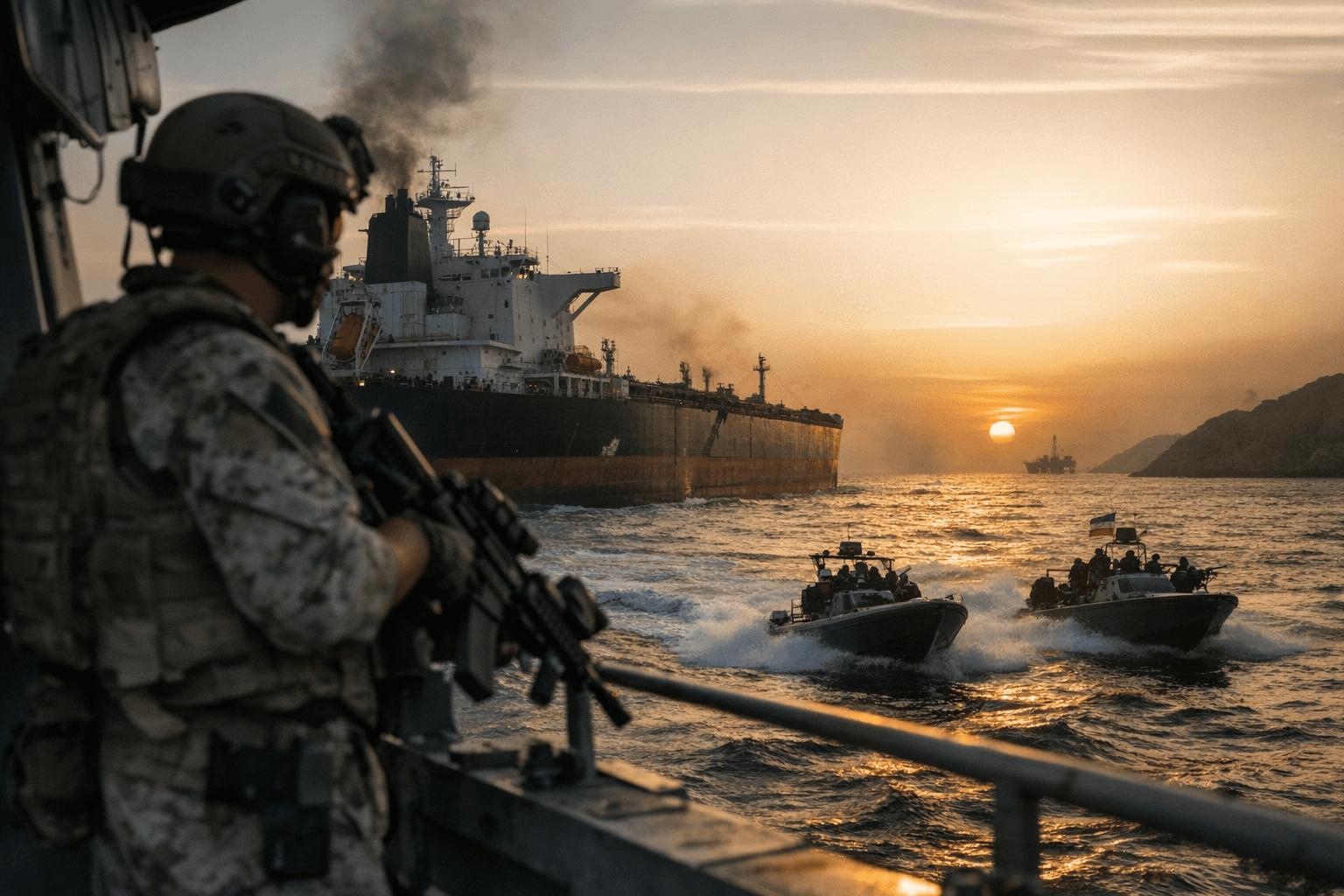
The deadline President Trump gave Iran expires at 8:00 p.m. ET Tuesday: reopen the Strait of Hormuz or face strikes on power plants, bridges, and energy infrastructure. The ultimatum arrives at the five-week mark of an unprecedented shutdown; it is the first time in history the Strait has ever been fully closed.
The crisis began February 28, 2026, when the United States and Israel struck Iranian military targets and killed Supreme Leader Ali Khamenei. Iran retaliated by formally declaring the 21-mile-wide waterway between the Persian Gulf and the Gulf of Oman closed on March 4, threatening and carrying out attacks on any vessel attempting transit. The U.S. has since suffered 13 dead and 365 wounded.
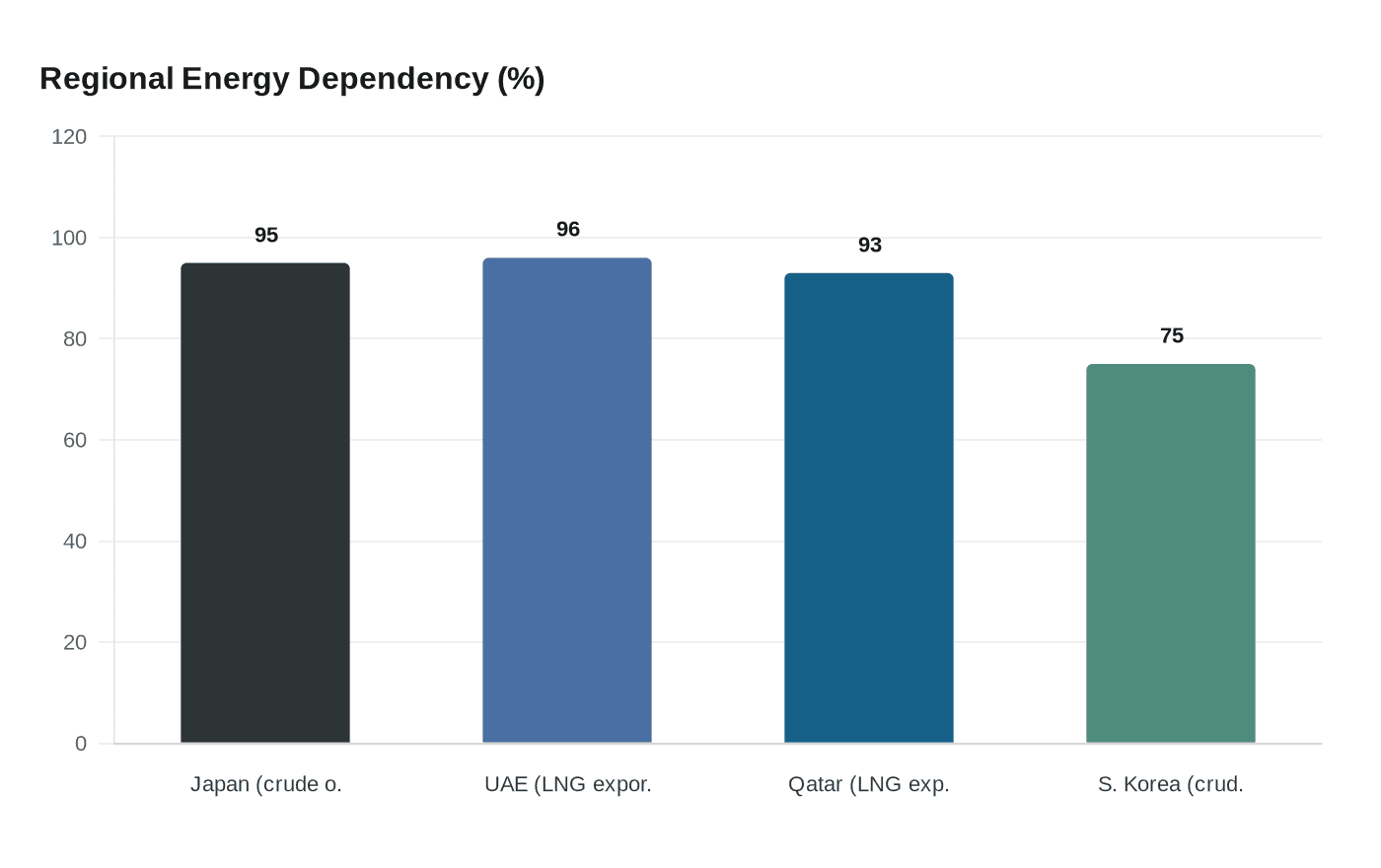
The economic consequences are historic. The Dallas Federal Reserve estimates the closure represents a shortfall of close to 20% of global oil supply, three to five times larger than any prior geopolitically driven disruption. Flows through the Strait had accounted for more than one-quarter of global seaborne oil trade and approximately one-fifth of all global petroleum consumption. Japan sources roughly 95% of its crude oil from the region; South Korea, about 75%. The shutdown also cuts off 93% of Qatar's and 96% of the UAE's LNG exports, representing 19% of global LNG trade.
Trump's rhetoric grew explosive in the final hours before the deadline. In a Sunday social media post, he warned Iran would be "living in Hell" and urged Tehran to "open the F in' Strait, you crazy bastards." At a White House press conference, he threatened: "The entire country can be taken out in one night, and that night might be tomorrow night." Trump also floated charging a toll for Strait passage once the U.S. prevails, a concept legal experts say is prohibited under international law. On Monday, he called Iran's latest ceasefire proposal "significant" but "not good enough," insisting any deal must guarantee free passage of oil. Senator Lindsey Graham, after speaking with Trump, said he was "completely convinced that he will use overwhelming military force against the regime if they continue to impede the Strait."
Iran rejected the U.S. ceasefire plan and refused the deadline as missile exchanges continued. A key advisor to new Supreme Leader Mojtaba Khamenei, who inherited the role after the February airstrikes, threatened to extend the crisis by also closing the Bab al-Mandab Strait connecting the Red Sea to the Gulf of Aden.
The international response has been fragmented. British Foreign Secretary Yvette Cooper convened a virtual summit of more than 40 countries on April 2, accusing Iran of blockading the Strait "to hold the global economy hostage." But French President Emmanuel Macron ruled out a military forced opening as "unrealistic," and Germany, Spain, Italy, Estonia, and the United Kingdom had all already rejected Trump's March 15 call for oil-importing nations to militarily secure the passage.
Three paths remain under active discussion: a military forced opening, widely considered unviable given mine and drone threats and current U.S. casualties; a ceasefire negotiation, with Pakistan proposing a two-tier framework and hosting regional talks March 29 with Egypt, Saudi Arabia, and Turkey; and a UN Security Council resolution authorizing multinational naval escorts, building on the council's March 11 reaffirmation of right of transit. Former diplomat Richard Haass has proposed an "Open for All or Closed to All" collective-action framework as a parallel approach.
Treasury Secretary Scott Bessent said March 30 that the United States would gradually "take control" of the Strait. Whether Tuesday's deadline produces a strike, a ceasefire, or continued stalemate, the terms on which the Strait eventually reopens will move oil prices, shipping insurance rates, and inflation figures across every economy dependent on the Gulf's flow of energy.
Sources:
Know something we missed? Have a correction or additional information?
Submit a Tip