Trump signals openness to Iran keeping ballistic missiles in interim deal
Trump said Iran could keep some ballistic missiles, then warned he could "go back to bombing" if the interim deal fails. The move tied security talks to energy fears and inflation.
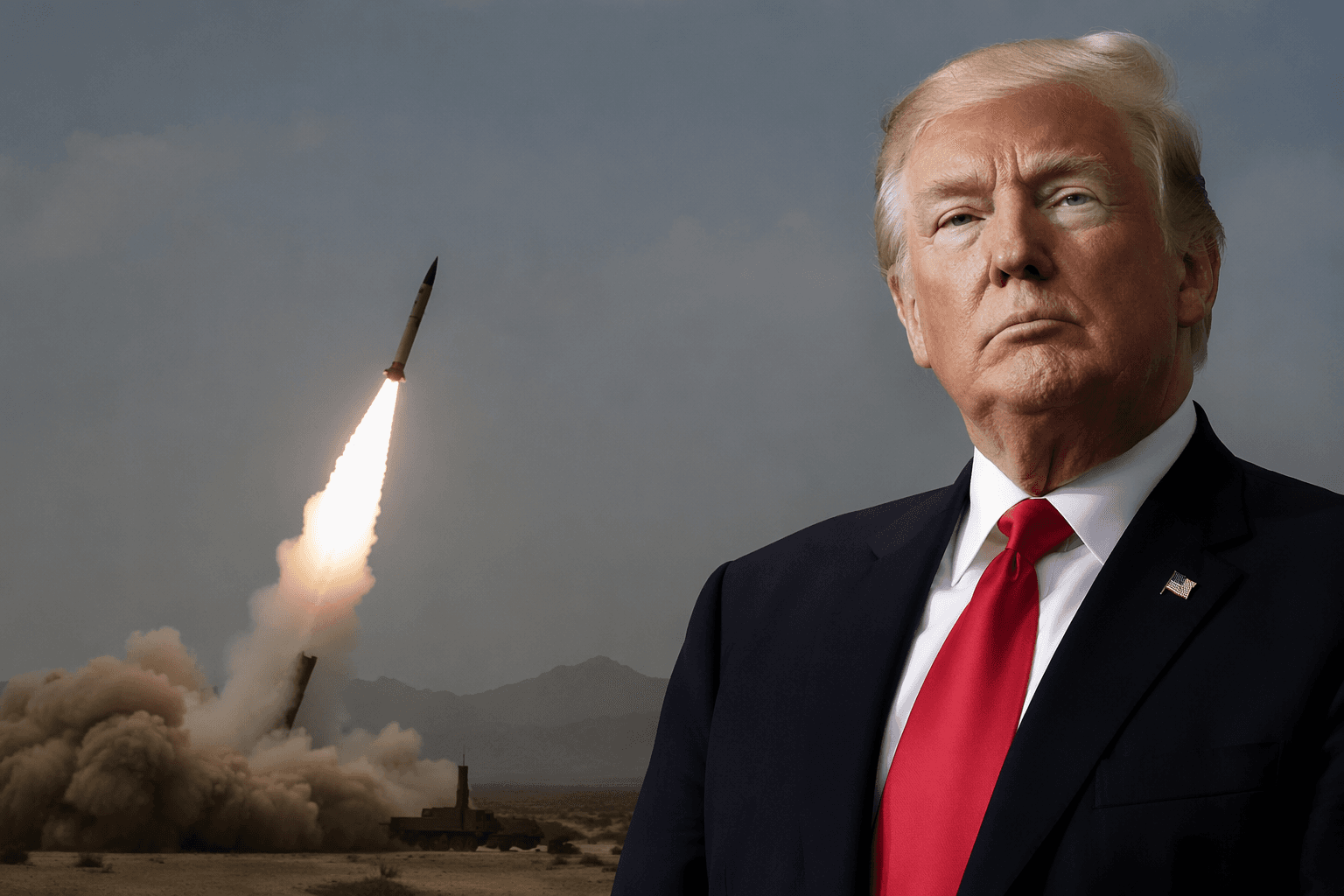
Donald Trump signaled a sharp shift in tone on Iran’s missile arsenal, saying it would be “unfair” for Tehran not to have ballistic missiles if neighboring countries do. The remark, delivered at the G7 summit in Évian-les-Bains, France, came as Trump tried to sell an interim accord as a way to avoid “economic catastrophe” and prevent a wider war from haunting him like Herbert Hoover.
The agreement, a 14-point memorandum of understanding, was framed as a 60-day extension of an April ceasefire while negotiators work toward a permanent truce. Senior U.S. officials said the deal could still be abandoned if no binding settlement is reached within 60 days, and the White House had not published the text when Trump spoke. He also said the United States could “go back to bombing” if Iran violated the accord, underscoring how fragile the arrangement remained even as he portrayed it as common sense.
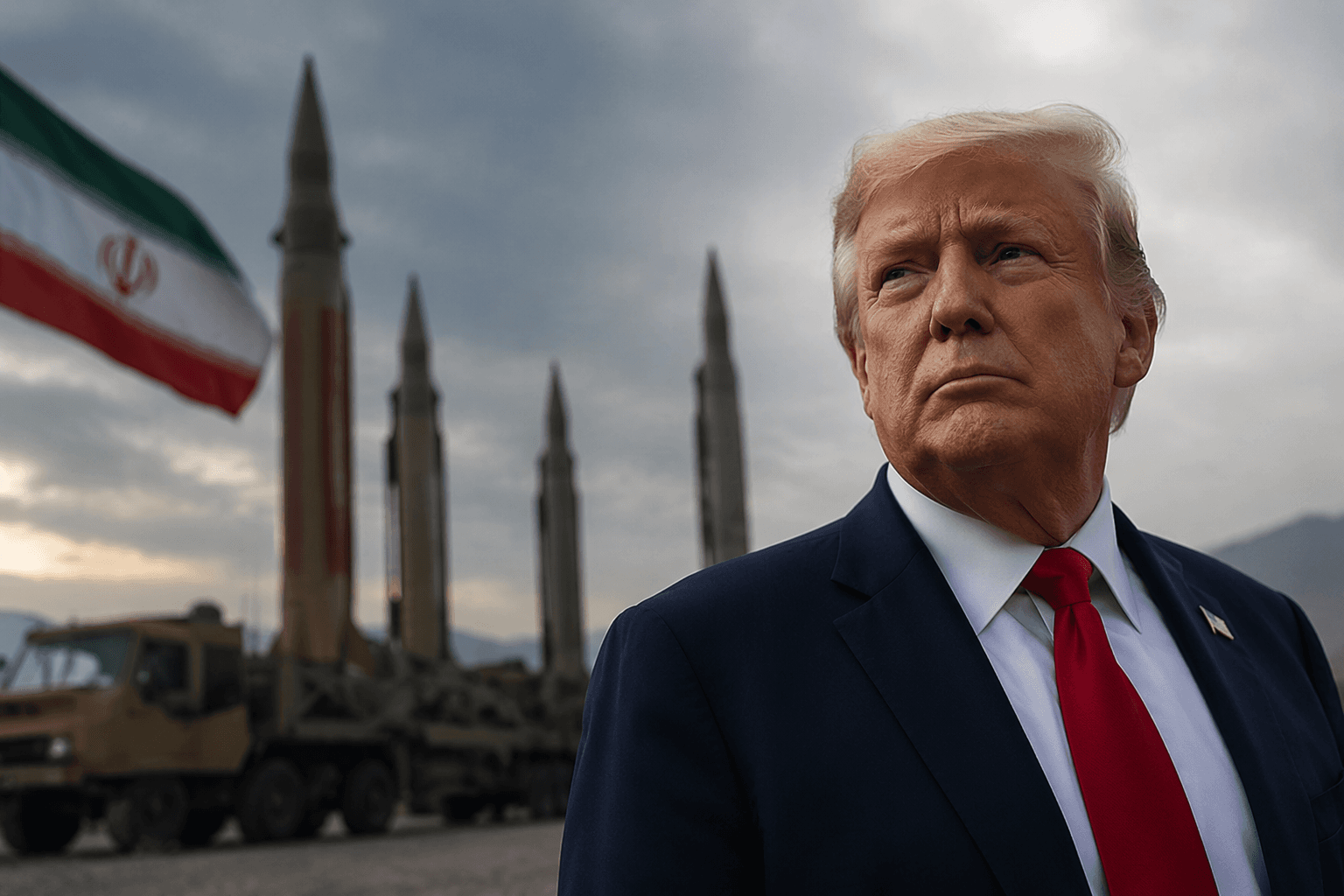
Ballistic missiles remained the most politically sensitive part of the bargain. Trump said the issue of whether Iran kept “some” missiles was part of the negotiation, even though the interim memorandum did not explicitly resolve the question. That left a gap between the president’s public language and his earlier posture, when he had vowed to obliterate Iran’s missile capabilities. The change suggested a more transactional logic: limit escalation, preserve leverage, and keep enough military pressure in reserve to force compliance.
The broader stakes reached well beyond the battlefield. The deal was tied to reopening the Strait of Hormuz, a chokepoint for global shipping, and energy markets reacted quickly. Brent crude fell below $80 a barrel as traders bet the waterway might reopen, then rose again after Trump said the United States could resume the war if he was dissatisfied with Iran. For households already rattled by inflation, that volatility carried a familiar warning: a Middle East war can still ripple into gas bills, food prices, and broader economic anxiety.
Trump’s comments also collided with earlier U.S. intelligence assessments. In February, he had said Tehran was working on missiles that could soon reach the United States, but U.S. intelligence did not back that claim, and a 2025 Defense Intelligence Agency assessment estimated Iran could take until about 2035 to produce a militarily viable intercontinental ballistic missile. Israeli strikes in 2024 and 2025 had already damaged key Iranian missile-production facilities, further complicating the picture.
All of it left allies and critics reading the same question into different risks. The G7 leaders called the U.S.-Iran deal an “historic opportunity” to keep Iran from acquiring any nuclear weapon and to address “regional and ballistic activities,” while Saudi Arabia and other Gulf states have already condemned Iranian missile and drone attacks as reckless and destabilizing. Trump’s Hoover warning, his missile comments, and his threats to return to bombing suggested a policy still being improvised in public, with enforcement problems likely to surface the moment the deal is tested.
This article was produced by Prism’s automated news system from verified source data, official records, and press releases, then run through automated quality and moderation checks before publishing. The system is built and supervised by the people who set the standards it runs under. Read our full AI policy.
Did this article answer your question?


