Trump signals Xi unity on Iran, but summit yields no breakthrough
Trump left Beijing with Xi signaling help on Iran, but no concrete move on the war, the Strait of Hormuz, or a new deal.
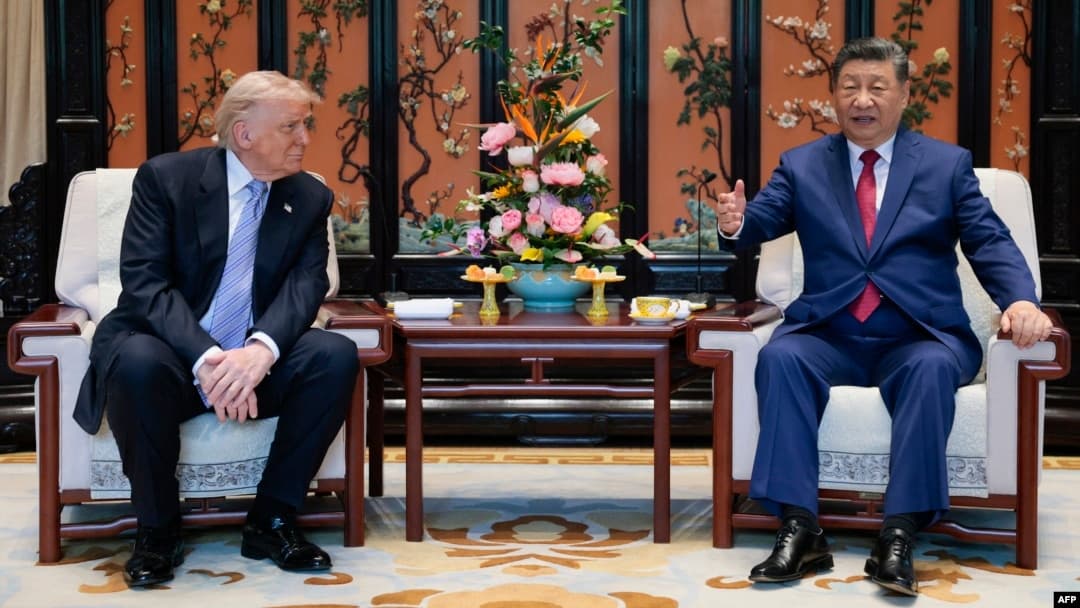
Donald Trump returned from Beijing with a diplomatic signal more notable than any photo-op: he said Xi Jinping would “like to be of help” in ending the Iran conflict. The summit produced no breakthrough, but it showed Washington trying to pull Beijing into the crisis around Iran and the Strait of Hormuz without demanding that China become a direct enforcer.
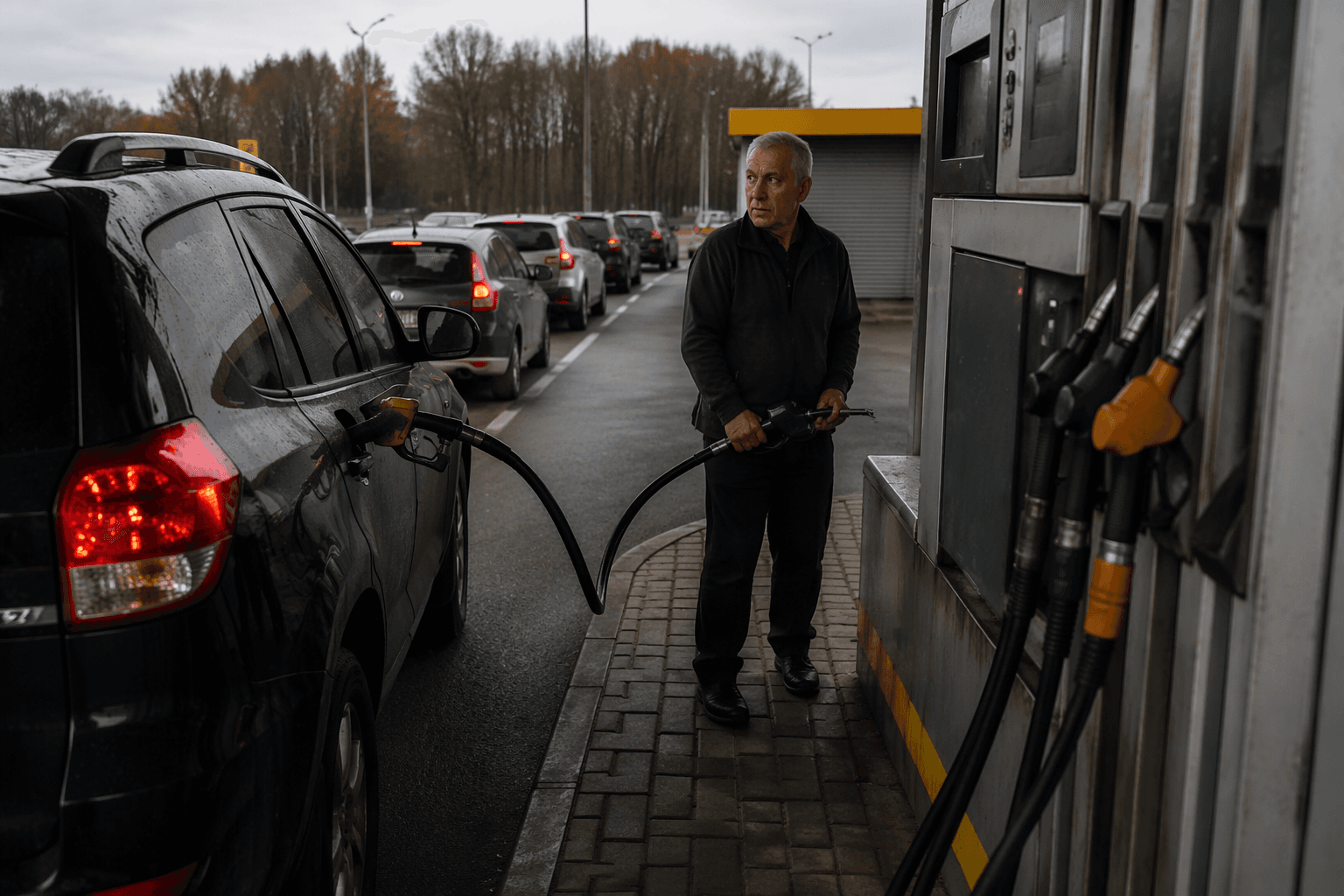
The meeting, held in mid-May 2026, centered mainly on trade and Taiwan, yet the Iran war hovered over every major exchange. Trump said Xi agreed that the Strait of Hormuz should be reopened, a crucial point for global energy flows, but China did not publicly commit to taking direct action to make that happen. For markets and policymakers, that distinction matters more than the theater of the trip: symbolic alignment between the world’s two largest powers is not the same thing as a plan that changes the odds of a ceasefire, a military strike, or an oil shock.

China’s leverage is real, but limited by its own interests. Beijing has called for a prompt resumption of shipping through the strait, while analysts have noted that China’s idea of an “open” Hormuz means traffic keeps moving and trade continues, not necessarily a coercive, force-backed reopening or a zero-toll solution. That leaves room for interpretation, and room for the kind of careful ambiguity Beijing often prefers when Middle East security collides with Chinese energy needs.
The U.S. side has now drawn a narrower line than a direct intervention request. The U.S. trade representative said China committed not to provide material support to Iran, while Washington also said it did not ask Beijing to directly reopen the Strait of Hormuz. That leaves the summit with diplomatic significance, but not with the kind of operational commitment that would alter the battlefield or guarantee safer tanker routes.
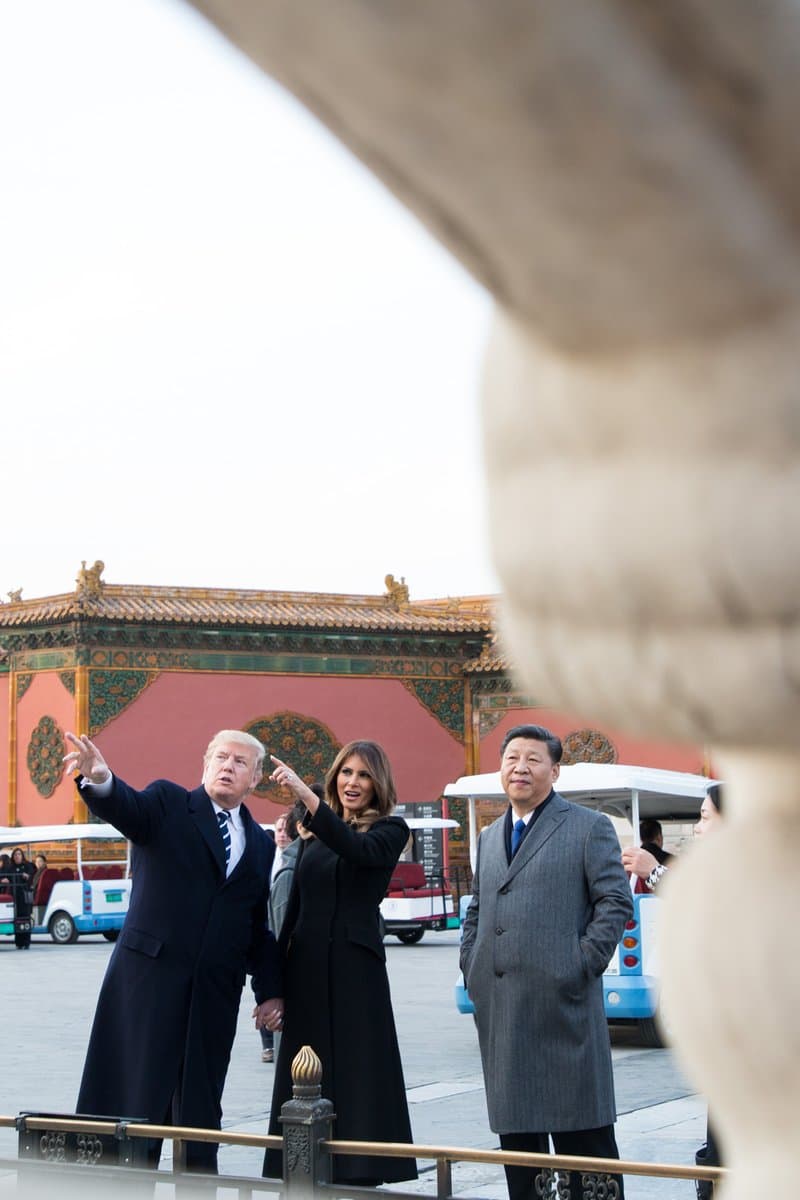
The broader backdrop is a trade relationship Washington is still trying to stabilize. The White House said Trump secured “historic deals” with China, and the United States Trade Representative later extended certain Section 301 tariff exclusions until November 10, 2026, following the Trump-Xi trade deal announced November 1, 2025. Trump’s trip was also his first to China since 2017, underscoring how rare direct in-person Trump-Xi diplomacy remains and why expectations around Iran were so high. For now, the result is clearer on symbolism than on substance: Xi signaled possible help, but the summit did not deliver a new deal, a new deterrent, or a new guarantee for oil markets.
This article was produced by Prism’s automated news system from verified source data, official records, and press releases, then run through automated quality and moderation checks before publishing. The system is built and supervised by the people who set the standards it runs under. Read our full AI policy.
Did this article answer your question?