Gates warns Trump against changing U.S. Taiwan stance after Xi talks
Gates said changing the U.S. Taiwan line would be a mistake, warning that every word now shapes deterrence, alliance confidence and Beijing's next move.
Robert Gates warned that Donald Trump should not rewrite Washington’s Taiwan stance after talks with Xi Jinping, saying even small changes in wording could unsettle deterrence in the Taiwan Strait and beyond. Speaking on Face the Nation with Margaret Brennan, Gates said it “would be a mistake to change the carefully worded position of the United States with respect to Taiwan,” adding that experts “parse these things down to the tense of the verbs.”
That precision matters because the United States has long relied on strategic ambiguity, a policy that leaves Beijing and Taipei uncertain about exactly how Washington would respond to a Chinese attack. The legal and diplomatic framework behind that posture dates to the Taiwan Relations Act, enacted April 10, 1979, which helped define unofficial U.S. ties with Taiwan through the American Institute in Taiwan. The Congressional Research Service says the United States recognizes the People’s Republic of China as the sole legal government of China while maintaining unofficial relations with Taiwan.
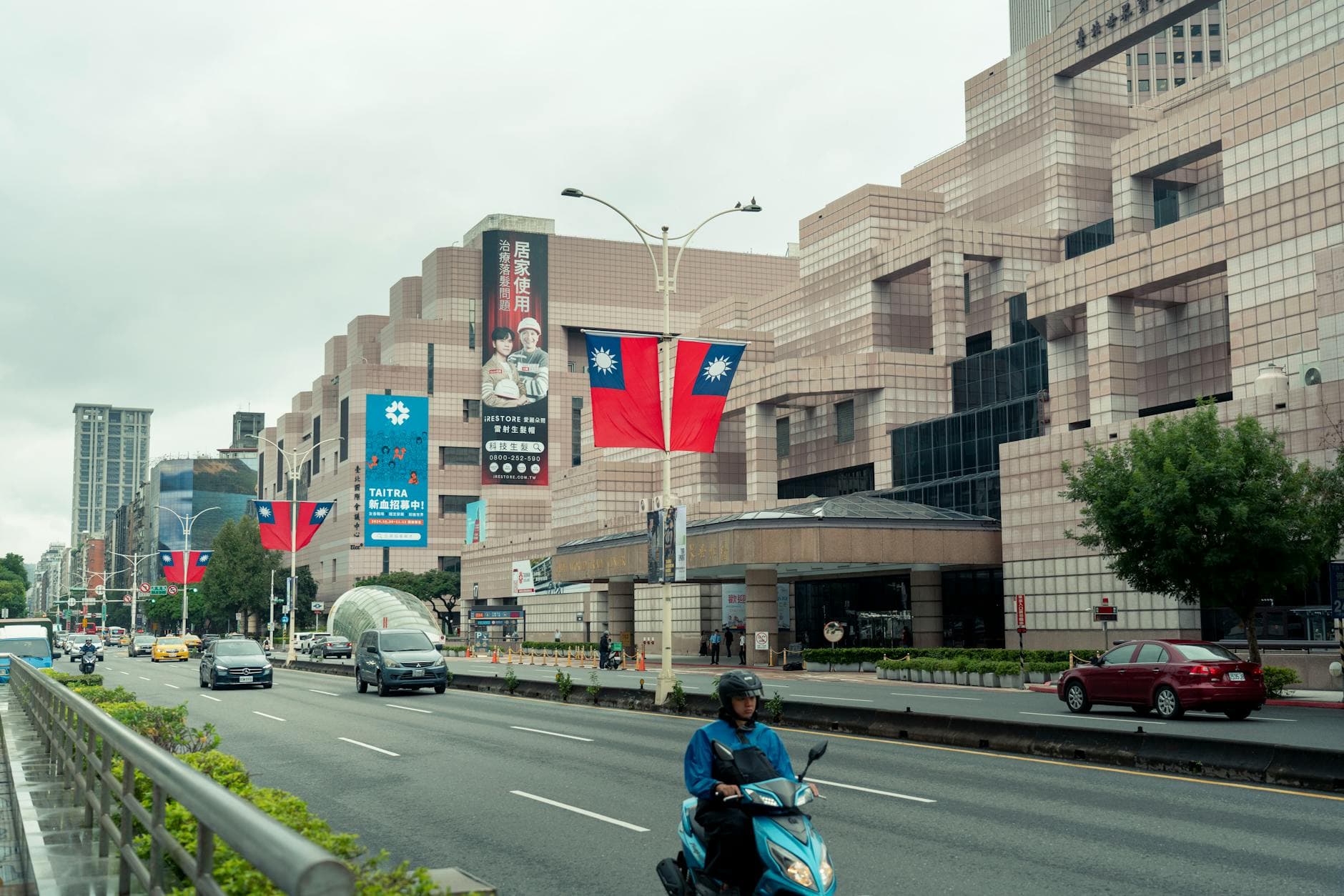
Gates framed the stakes as larger than language alone. He said the United States now faces nuclear-armed adversaries in both Europe and Asia and called the moment “a very, very perilous time.” He also described China as a “near peer” military competitor, while saying the United States still leads China economically and technologically and retains a larger military overall. Even so, he said Beijing is ahead in shipbuilding and continues closing gaps in other areas.
The warning came after Trump said he and Xi “talked a lot about Taiwan” and that he made “no commitment either way” on whether the United States would defend the island. Trump also said he would decide soon on arms sales to Taiwan. Chinese officials said Xi told Trump that the Taiwan question is the “most important issue” in U.S.-China relations and warned that mishandling it could lead to “clashes and even conflicts” and put the relationship in “great jeopardy.”
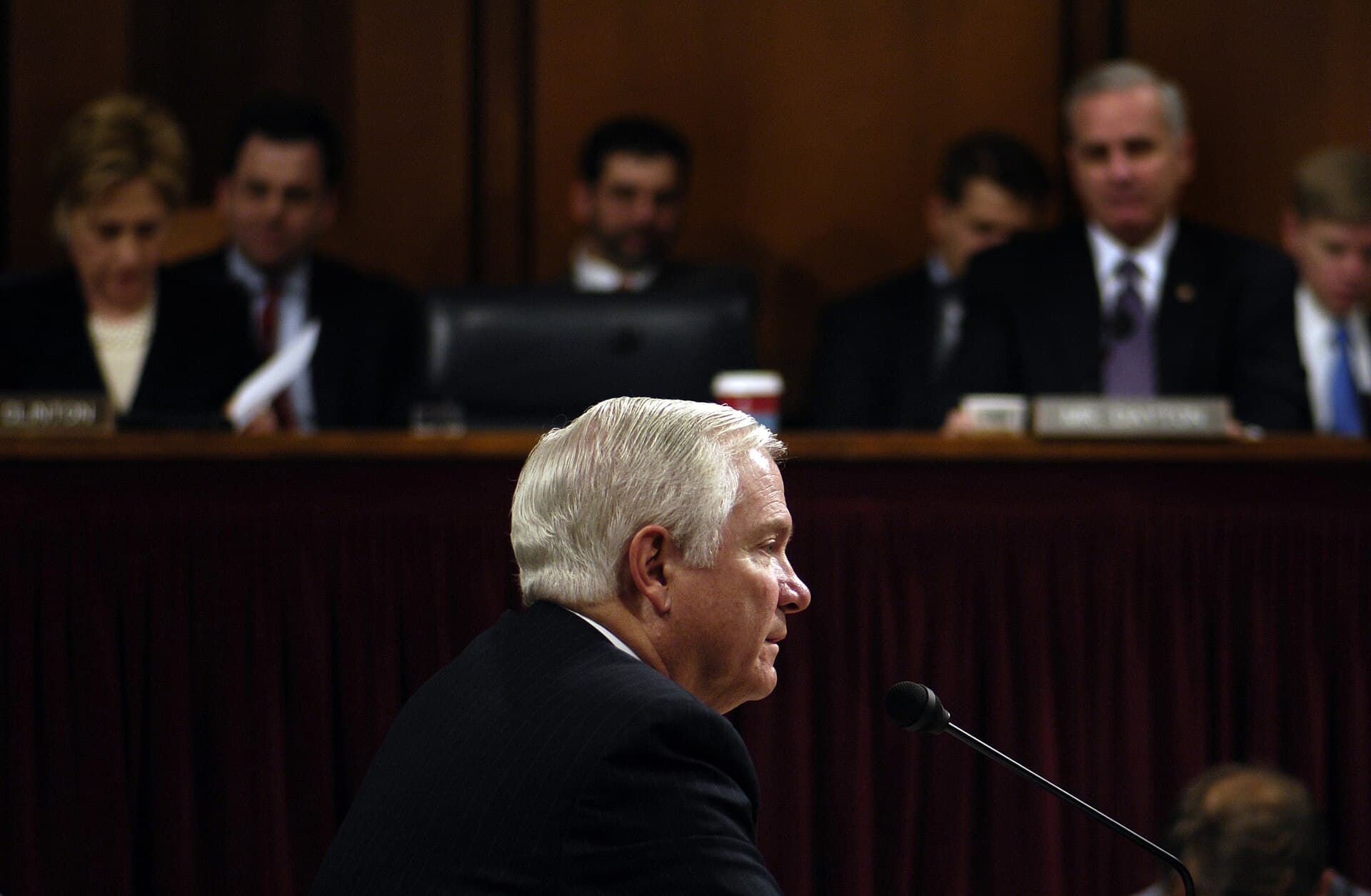
The issue landed with added weight because the May 17 broadcast also featured Taiwan’s representative to the United States, Alexander Yui, underscoring how closely allies and rivals alike were watching the summit fallout. Taiwan has also been increasing its own defense spending: the Congressional Research Service said it accounted for roughly 2.5% of GDP in 2024, while President Lai Ching-te has said he wants it to rise to about $31 billion, or 3.3% of GDP, in 2026. With Beijing pressing its claims and Washington balancing deterrence against escalation, Gates’ warning was a reminder that on Taiwan, rhetoric itself can move policy, confidence and risk.
This article was produced by Prism’s automated news system from verified source data, official records, and press releases, then run through automated quality and moderation checks before publishing. The system is built and supervised by the people who set the standards it runs under. Read our full AI policy.
Did this article answer your question?