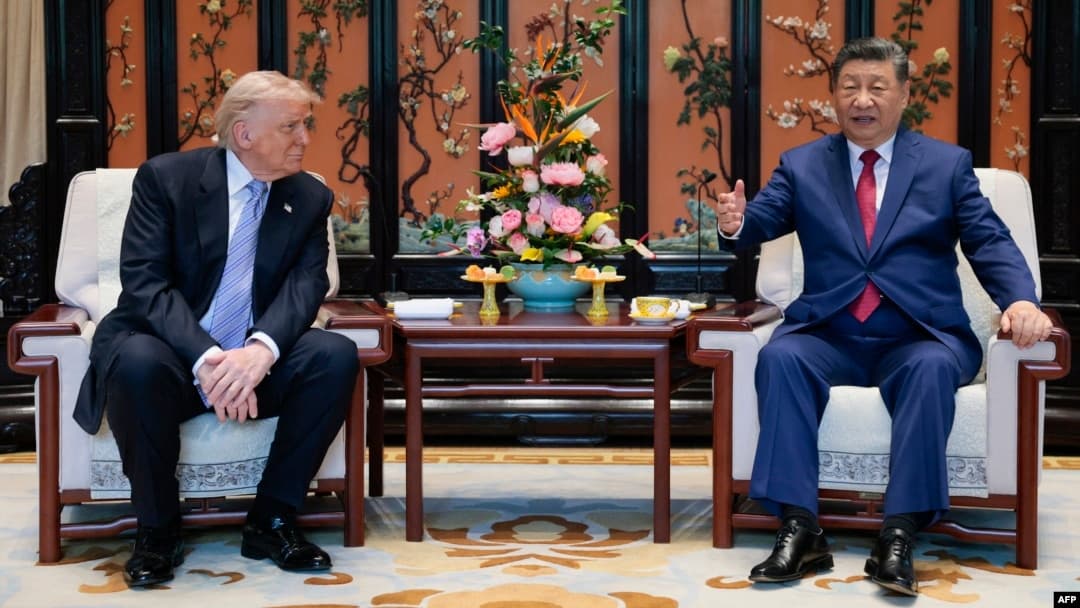
Taiwan envoy says Beijing, not Taipei, is creating trouble over China ties
Taiwan's envoy cast Taipei as the status-quo side, saying it wants peace and stability. The message put the burden of escalation on Beijing.
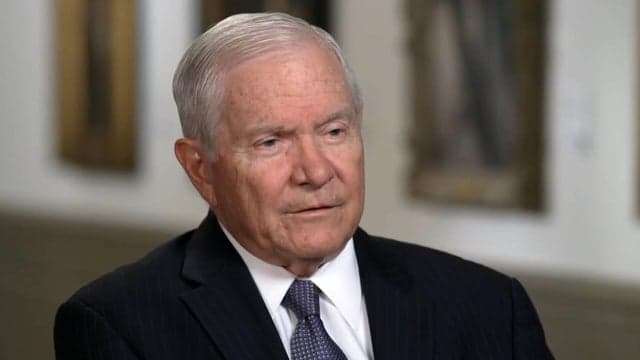
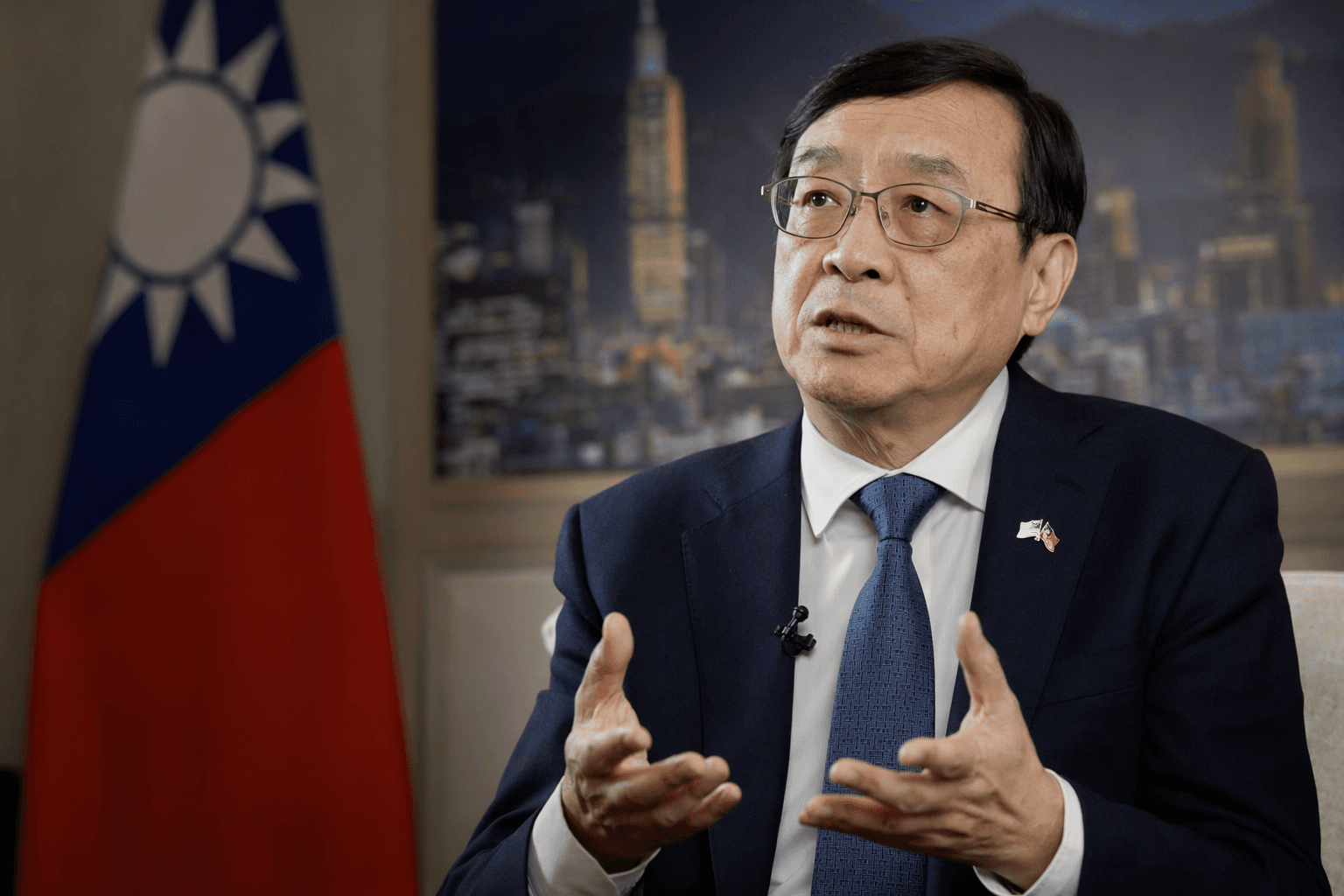
Taiwan’s top representative in Washington used a Sunday morning television appearance to draw a sharp line between Taipei and Beijing, telling Margaret Brennan that Taiwan wants “peace and stability” and that “we’re not the ones creating all this trouble.” Alexander Yui’s message was aimed squarely at the United States as Taiwan emerged as one of the most sensitive issues in last week’s summit between Donald Trump and Xi Jinping.
Yui’s framing mattered because it presented Taiwan as the side trying to preserve the status quo, not alter it. Chinese state media reported that Xi warned Trump there would be “conflicts” if the Taiwan issue was not handled properly, a reminder that even routine diplomatic language around the island can carry military weight. By stressing that Taiwan wants to keep “our lives going on as usual,” Yui was trying to shift the burden of escalation onto Beijing and reinforce the idea that any instability in the Taiwan Strait would come from Chinese pressure, not Taiwanese provocation.
That message was reinforced in Taipei by President Lai Ching-te, who said Taiwan would not be “sacrificed or traded” and would not give up its free way of life under pressure. Lai also said U.S. arms sales to Taiwan are a security commitment based on law. The timing is sensitive: the Trump administration approved a record $11 billion arms sale package for Taiwan in December 2025, and a second package worth roughly $14 billion is still awaiting Trump’s approval. Congress approved a separate $14 billion Taiwan arms deal in January 2026, and lawmakers from both parties have pressed the White House to move ahead.
The policy stakes go beyond symbolism. Washington says its Taiwan approach is guided by the Taiwan Relations Act, the Three Joint Communiques and the Six Assurances, while maintaining only unofficial ties through the American Institute in Taiwan. The State Department describes Taiwan as a key partner, a vibrant democracy and an advanced economy, and says support for the island has remained consistent across more than four decades and eight presidencies. That continuity is now under strain as Trump has declined to commit either way on additional arms sales after the summit.
The risk is miscalculation. Axios reported that some Trump advisers fear China could target Taiwan within the next five years, while U.S. officials have long focused on 2027 as a potential readiness year tied to People’s Liberation Army modernization goals. For Washington, the signal from Taipei is clear: Taiwan wants deterrence, not confrontation. The test now is whether U.S. arms policy and diplomatic ambiguity can keep Beijing guessing without inviting a dangerous move in the strait.
Know something we missed? Have a correction or additional information?
Submit a Tip