Trump signs $1.2 trillion funding bill, but two-week DHS clause sets new showdown
President Trump signed a $1.2 trillion package to end a brief partial shutdown, but DHS is funded only through Feb. 13, forcing urgent talks over immigration enforcement.
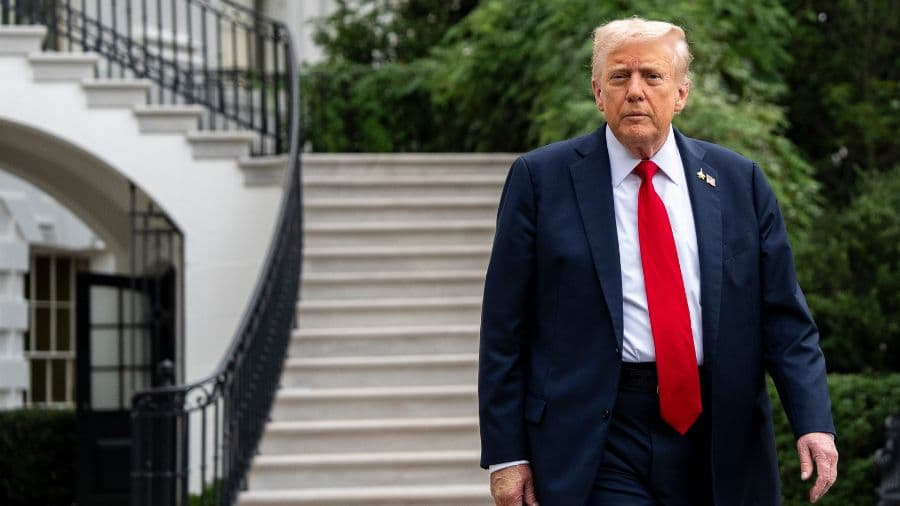
President Donald Trump signed a roughly $1.2 trillion consolidated appropriations package that ended a brief partial federal government shutdown and funded most agencies through the end of the fiscal year. The measure wraps up congressional work on 11 annual appropriations bills that run through Sept. 30 and restored pay and operations for key departments, but it leaves the Department of Homeland Security on short-term funding that expires on Feb. 13.
Trump moved quickly to sign the bill after the House approved it by a 217–214 vote. He hailed the legislation, saying, "This bill is a great victory for the American people." The Senate had cleared the compromise the previous week, a sequence that still allowed a lapse in funding while the House completed its action.
Lawmakers and agency leaders warned the DHS carve-out sets up an immediate political and policy fight. The package funds the Department of Homeland Security for only about 10 days, creating a narrow window for Republicans and Democrats to negotiate a longer-term plan for the agency that oversees Immigration and Customs Enforcement, Customs and Border Protection, the Coast Guard and the Secret Service. Speaker Mike Johnson said, "This is no time to play games with that funding. We hope that they will operate in good faith over the next 10 days as we negotiate this," and added, "The president, again, has reached out."
Senate Majority Leader John Thune, when asked about prospects for a deal, told reporters, "There's always miracles, right?" House Minority Leader Hakeem Jeffries has said he is working with Speaker Johnson on a potential agreement, though DHS funding remains the sticking point.
The short-term funding was negotiated amid heightened scrutiny of immigration enforcement after federal officers fatally shot Alex Pretti and Renee Good in Minneapolis late last year. Democrats pressed for restrictions on ICE operations and other reforms in the wake of the shootings and a December operation that deployed thousands of ICE agents to the city. Those demands were central to the decision to limit DHS funding, forcing Congress to return to the issue within days rather than deferring it until the usual appropriations calendar.
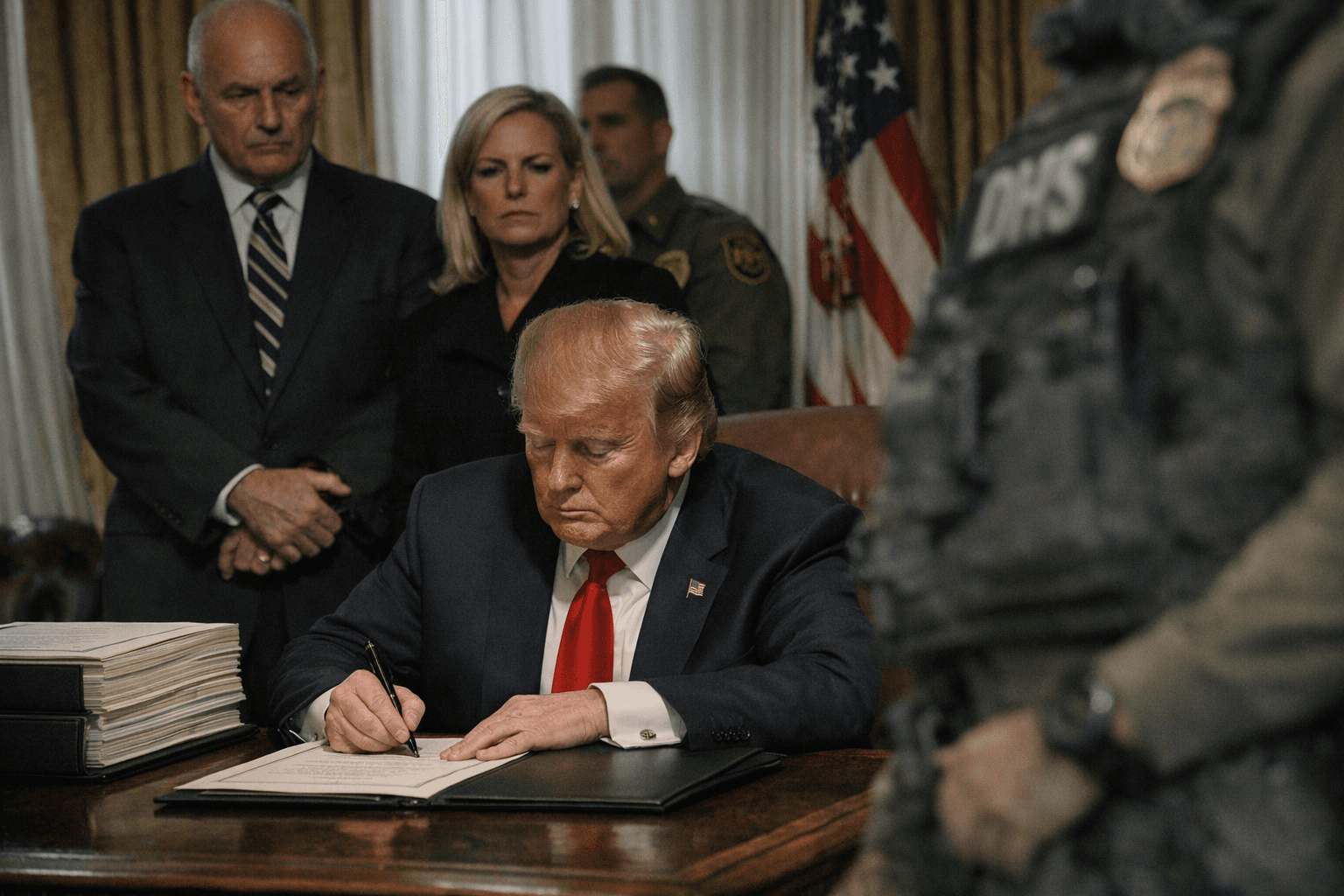
Beyond immigration politics, the package has wider administrative effects. It funds the Pentagon, State Department, Treasury and other agencies through September, averting broader disruptions in defense, diplomacy and domestic programs. But the measure also delays the Bureau of Labor Statistics' monthly jobs report, a key economic indicator watched by policymakers, investors and workers.
For communities at the center of enforcement actions, the resolution provides only temporary relief. Public health advocates and local leaders warn that uncertainty around DHS operations can undermine trust in emergency response, complicate outreach to immigrant populations, and stall coordinated efforts on issues such as pandemic preparedness and border health screenings. Advocates for survivors and families of those killed in enforcement actions say the brief funding window highlights longstanding questions about oversight, transparency and community safety.
Accounts varied on when the partial shutdown began, with some reports placing the start late Friday night and others saying it began Saturday or more generally over the prior weekend. Whatever the precise hour, the shutdown was short-lived but underscored the fragility of year-end funding politics after a protracted shutdown last fall.
With the Feb. 13 deadline looming, lawmakers face pressure to craft a DHS deal that addresses enforcement practices and community safeguards while keeping critical homeland functions funded. The next several days will test whether that compressed bargaining period produces compromise or another contentious standoff.
This article was produced by Prism’s automated news system from verified source data, official records, and press releases, then run through automated quality and moderation checks before publishing. The system is built and supervised by the people who set the standards it runs under. Read our full AI policy.
Did this article answer your question?

