Trump Slams Pope Leo XIV as Weak on Crime, Foreign Policy
Trump’s attack on the first U.S.-born pope escalated a fight over immigration and Iran, raising the political cost with Catholic voters even as it may energize his base.
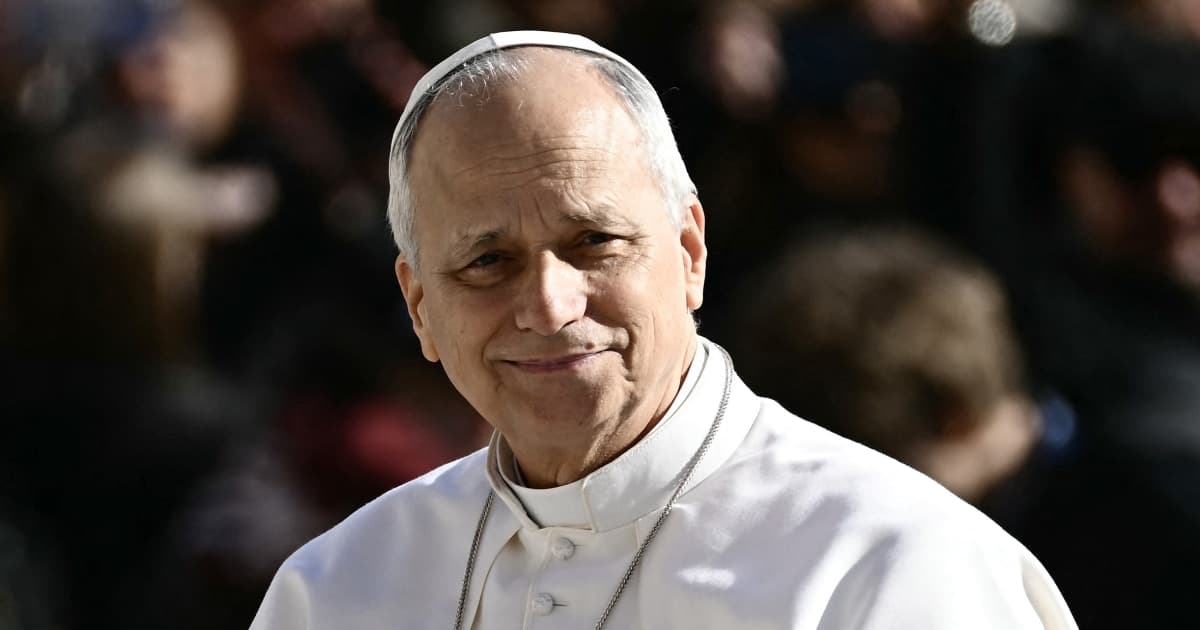
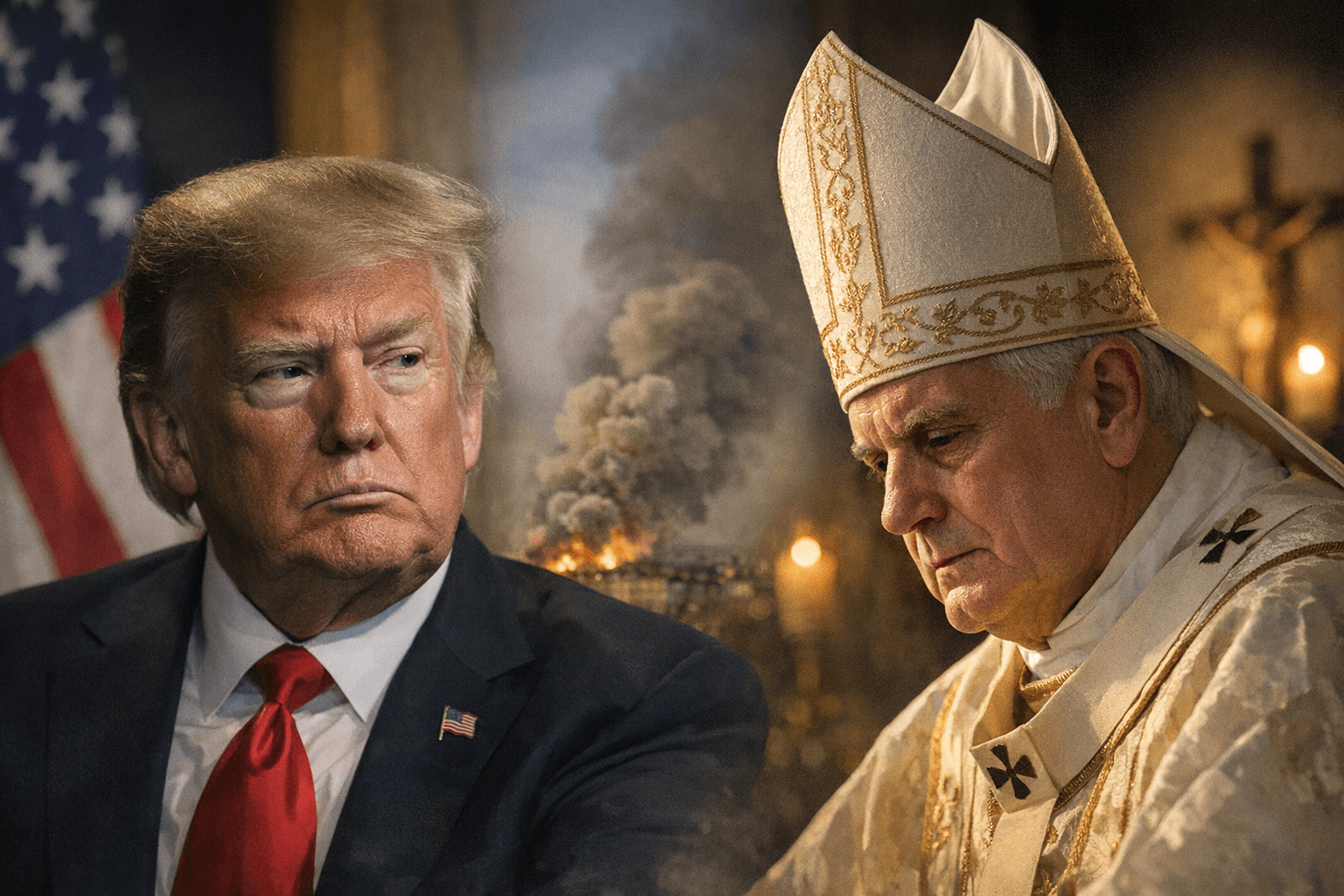
Donald Trump widened his clash with Pope Leo XIV on Sunday, branding the Chicago-born pontiff “WEAK on crime” and “terrible for Foreign Policy” just months after Leo became the first North American pope. The attack, delivered to reporters and amplified on Truth Social, pushed a theological dispute into the center of American politics and exposed how far Trump is willing to go in challenging institutions that normally stand outside day-to-day partisan combat.
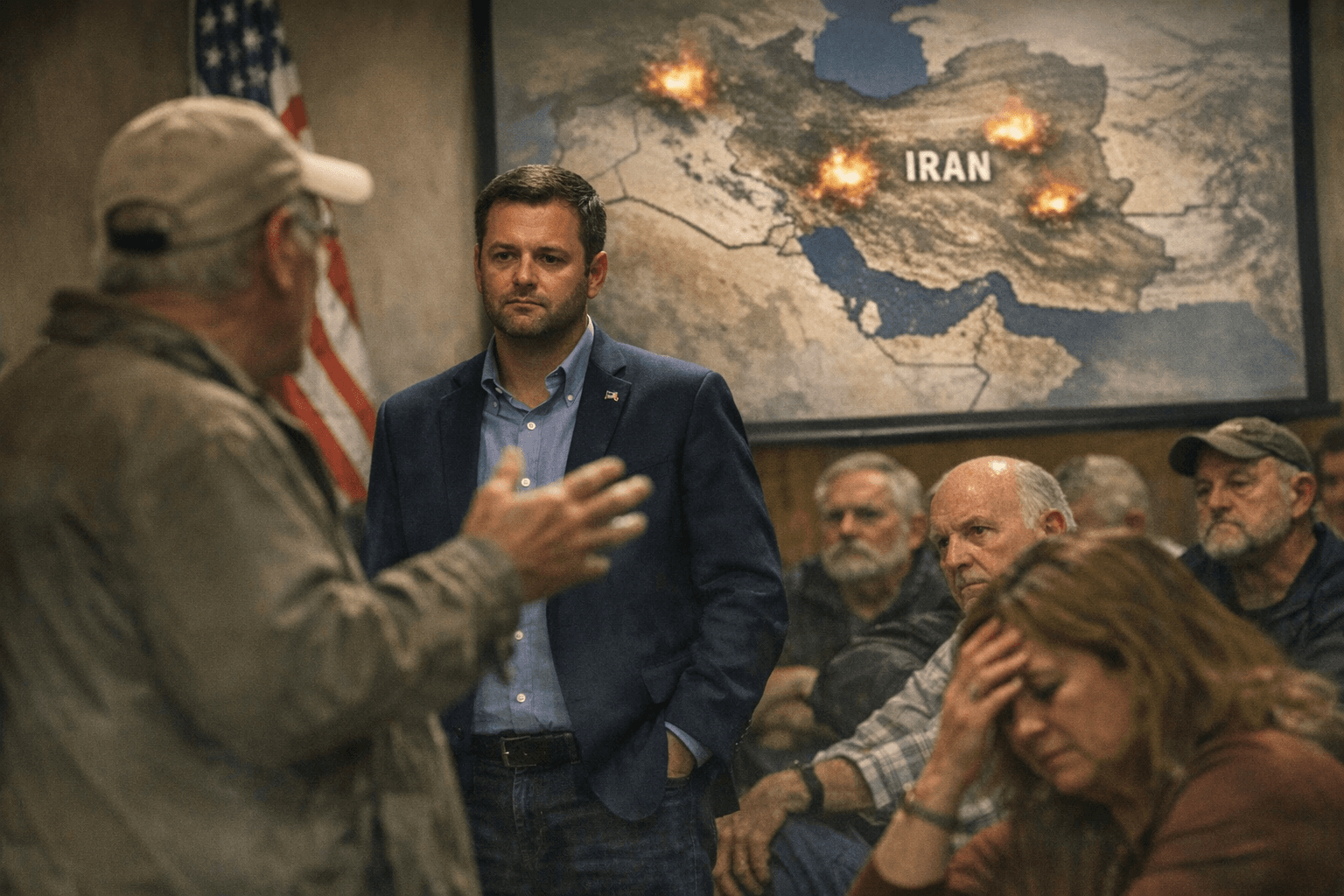
Trump also said, “I don’t think he’s doing a very good job,” after Leo had condemned threats against Iran’s population as “truly unacceptable” and renewed criticism of U.S. immigration enforcement. In November 2025, Leo said the treatment of migrants in the United States was “extremely disrespectful,” a phrase that put him squarely at odds with Trump’s immigration agenda and the broader hard-line posture that has defined the president’s messaging since returning to power.
The political risk for Trump is not the insult itself. It is the audience. Leo is not a distant Vatican figure with little domestic resonance. Born Robert F. Prevost in Chicago, he was elected on May 8, 2025, and is the first U.S.-born pope and the first North American pope. That makes him more visible, and potentially more consequential, for American Catholics than many of his predecessors. Trump’s claim that Leo was chosen because he was American and to deal with Trump turned the papacy into another arena for his grievance politics, while also inviting scrutiny from bishops and Catholic voters who may not see the fight as just another Washington food fight.
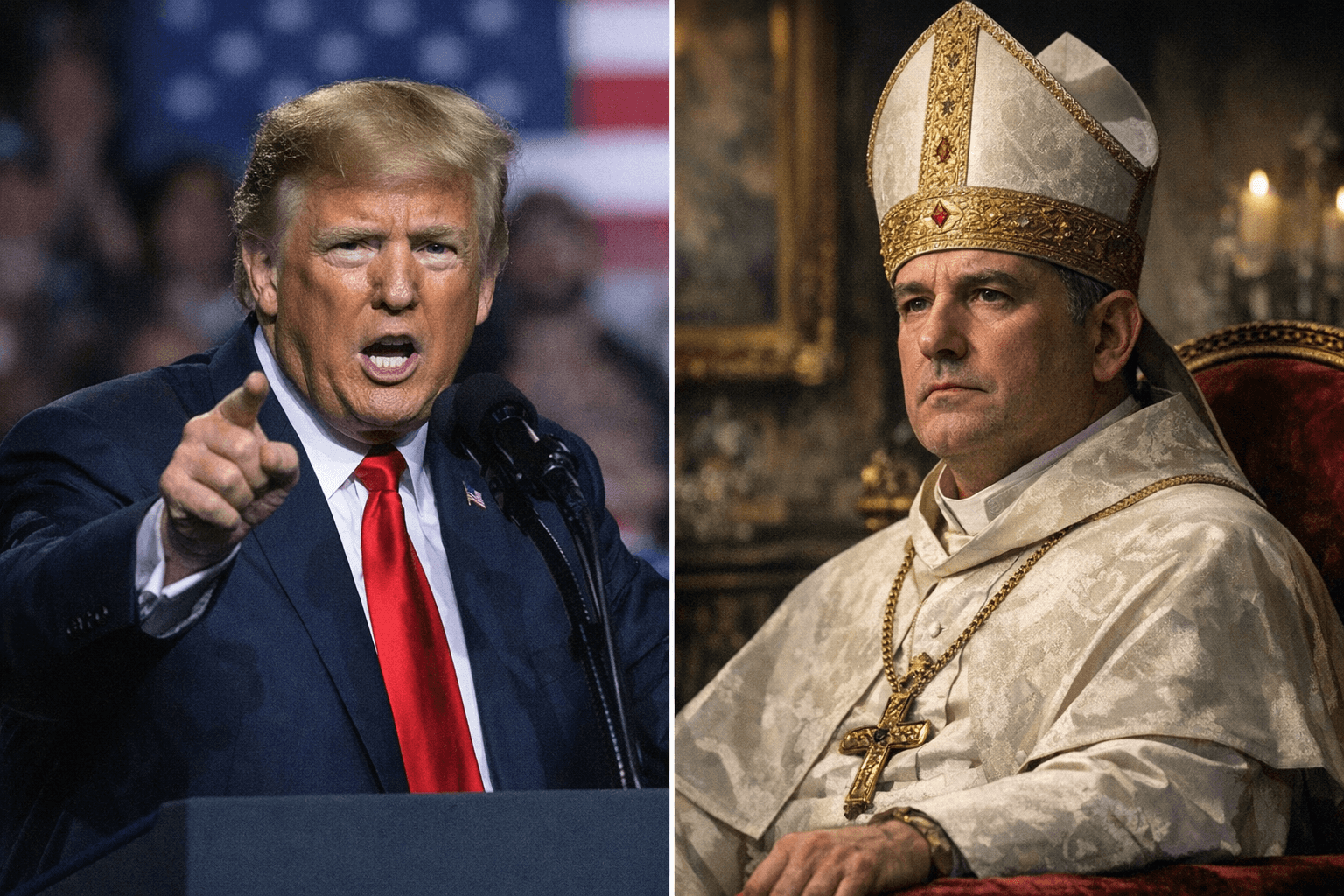
The dispute has also sharpened the contrast between Trump’s instinct to escalate and Leo’s emphasis on restraint. Leo has urged dialogue over war and has said Catholic teaching requires respect for migrants, positions that put the Vatican on a collision course with Trump’s approach to border security and the Iran conflict. For Republican operatives, that creates a familiar calculation: whether this is red-meat rhetoric that thrills the base, or a strategic mistake that hands Democrats a powerful example of Trump attacking not just political rivals but a major religious institution with deep ties to Catholic voters in battleground states.
The White House has not signaled any softening. With Trump treating the pope as another target in a broader culture and power struggle, the episode suggests a campaign style in which no institution is off-limits and every disagreement can be converted into political theater. For the Vatican and for American Catholics, the question is no longer whether the rupture is real. It is how much further Trump plans to push it.
Know something we missed? Have a correction or additional information?
Submit a Tip