Trump softens Iran war aims as ceasefire talks advance
Trump has moved from vowing to destroy Iran’s missiles and force regime change to accepting some missiles and delaying other demands as ceasefire talks continue.

Donald Trump’s war message on Iran has shifted sharply. After opening the conflict on February 28 with vows to “destroy their missiles,” block any nuclear rebuild and set up conditions for Iranians to “take over” their government, he is now saying some ballistic missiles are acceptable, he is not rushing to recover Iran’s highly enriched uranium and he is not pursuing regime change.
The change matters because the administration is still trying to sell the ceasefire as a hard-fought success while the basic terms remain unsettled. Washington and Tehran have signed a memorandum of understanding to extend the truce and open another round of nuclear talks, but the interim arrangement leaves major questions on enrichment, sanctions relief and regional security for the next 60 days.
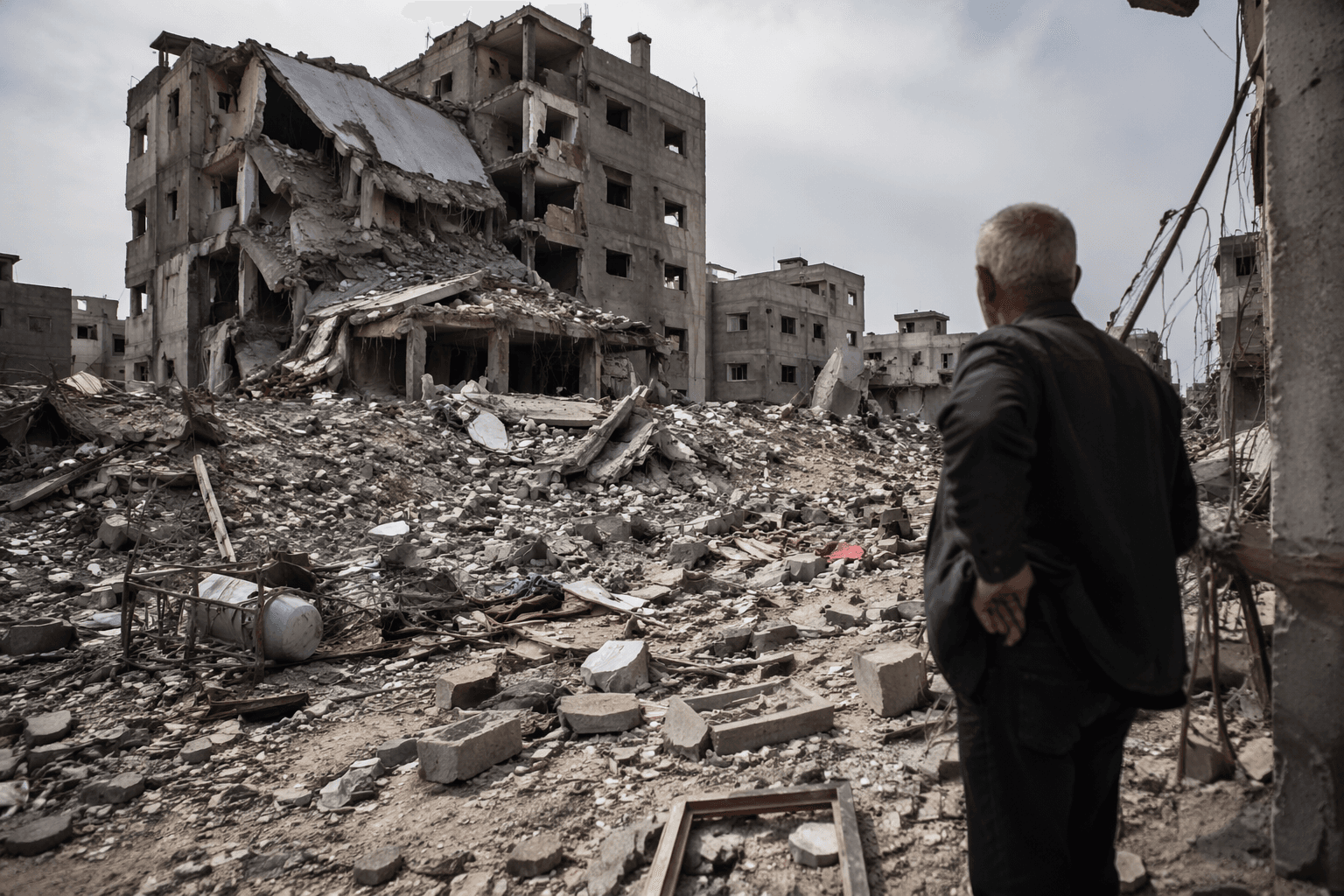
In the war’s early weeks, Secretary of State Marco Rubio reinforced the original line, saying the mission was to destroy Iran’s ballistic missile capability and make sure Tehran could not rebuild or “hide behind that” to preserve a nuclear program. That broader framing reflected years of concern in Washington and among Middle East allies that Iran’s missiles, not just its uranium, threatened Israel and U.S. forces and assets across the region.
Trump’s tone is now markedly different. At the Group of Seven summit in France on June 17, he described Iran’s leaders as “very rational people” who were “nice to deal with” and said they were “not radicalized.” On June 11, he declared in a White House video, “Most importantly, we have a deal that Iran will never have a nuclear weapon.” The administration’s public goal has narrowed to that single pledge, even as the rest of the agreement remains unfinished.
That narrowing follows a long rupture in U.S.-Iran relations that Trump helped deepen when he withdrew the United States from the 2015 Joint Comprehensive Plan of Action in May 2018. The new accord is being framed as a reset, and a signing ceremony is scheduled in Switzerland on June 19, but the political risks are immediate. Some Republican hawks have denounced the deal as a tactical mistake, and Sen. Lindsey Graham said he was “somewhat concerned” that Iran’s description of the agreement differed from the White House’s.
Vice President JD Vance has defended the arrangement as conditional, saying sanctions relief would depend on Iranian compliance and nuclear benchmarks. That caution reflects the stakes beyond Washington: the Strait of Hormuz carries about 20% of the world’s oil traffic, and full restoration of passage could still take weeks or months, with one estimate putting a return to pre-conflict volumes in 2027.
Iran has also tied the talks to broader regional conditions, including a ceasefire in Lebanon and guarantees across multiple fronts. That leaves Trump with a narrower test of success than he first set for himself: not regime change, not disarmament of every missile, but a deal that freezes the fighting and claims to keep Iran from ever getting a nuclear weapon.
This article was produced by Prism’s automated news system from verified source data, official records, and press releases, then run through automated quality and moderation checks before publishing. The system is built and supervised by the people who set the standards it runs under. Read our full AI policy.
Know something we missed? Have a correction or additional information?
Submit a Tip