Taiwan president says self-defense is not provocation, seeks U.S. arms deal
Lai cast Taiwan’s defense as deterrence, not provocation, as Washington weighs a possible $14 billion arms package that could test U.S. resolve.
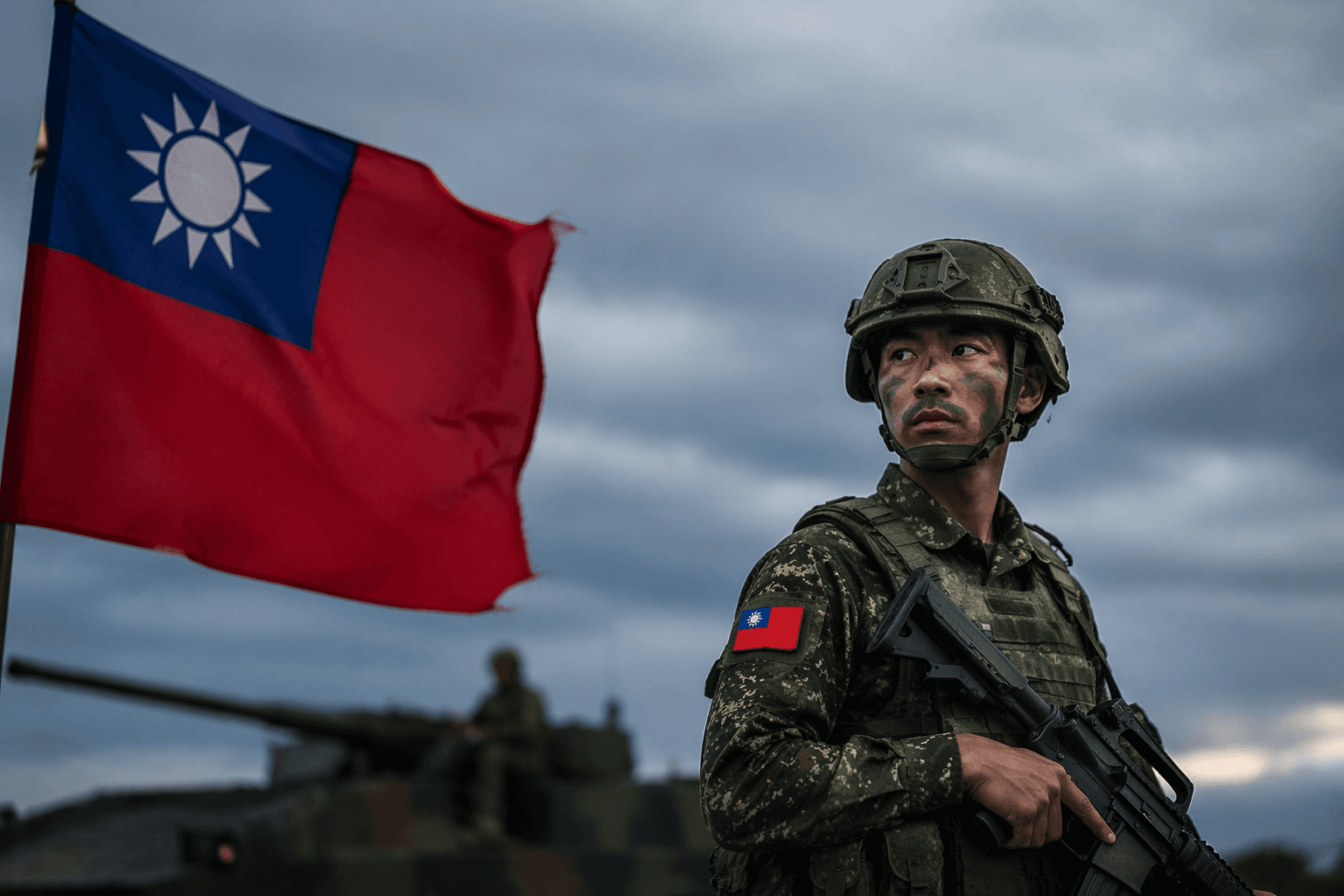
Taiwan President Lai Ching-te tried to redraw the line between deterrence and provocation on Thursday, saying the island’s effort to defend itself should not be mistaken for aggression as he pressed for a new U.S. arms package that could be worth up to $14 billion. The decision now facing Washington will reverberate well beyond Taipei, signaling to Beijing, Congress and regional allies how firmly the United States intends to back Taiwan’s security.
Speaking at the Taiwan Foreign Correspondents’ Club in Taipei, Lai said Taiwan’s safeguarding of its national security and democratic way of life, and its refusal to accept unification or Communist Party rule, should be understood as defensive choices. He also reiterated his desire for talks with Beijing based on “parity and respect,” even as China has repeatedly rebuffed his offers of dialogue and called him a separatist.
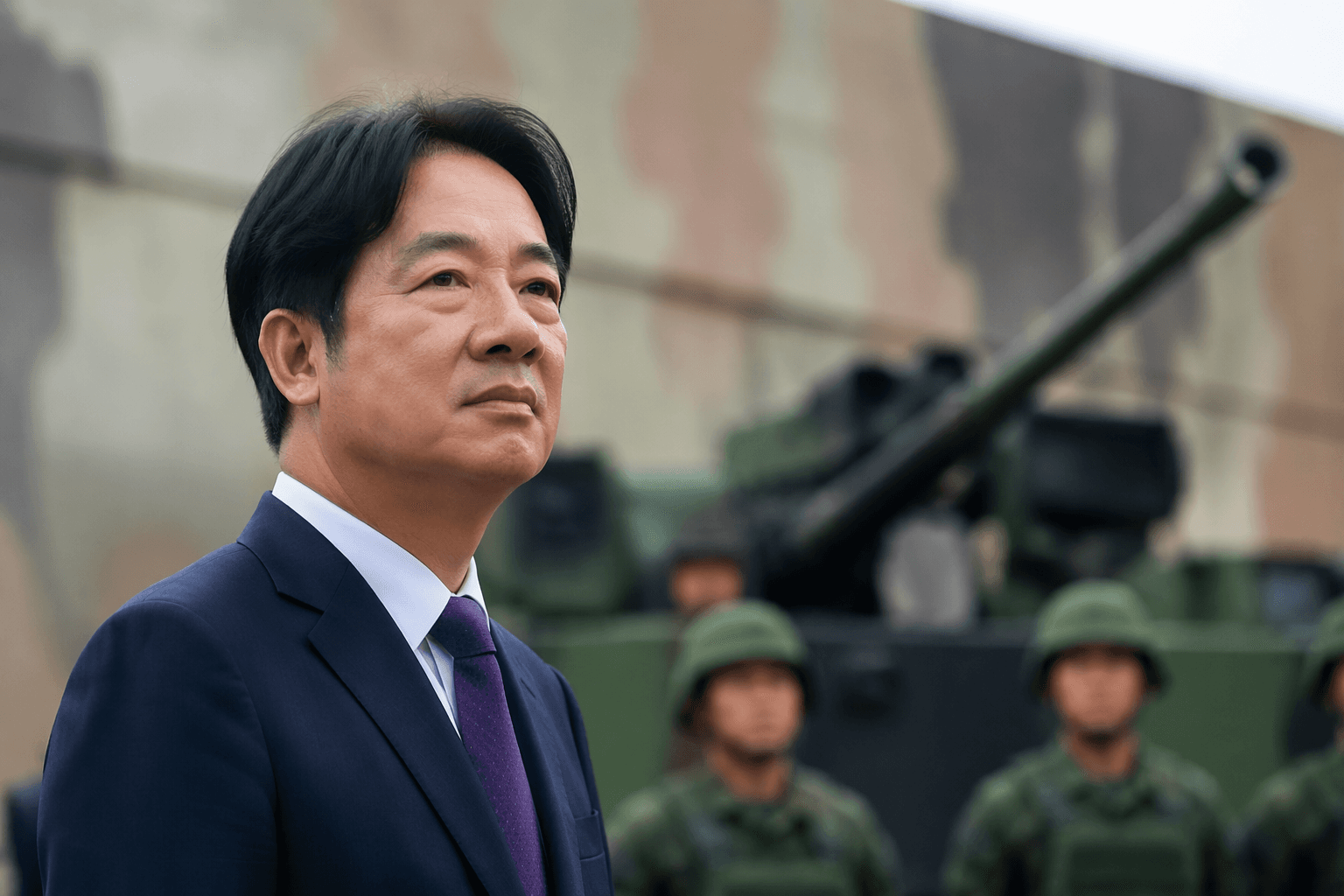
China responded by rejecting Lai’s framing. Foreign Ministry spokesperson Lin Jian said Taiwan is an “inalienable” part of China and that Lai’s words and deeds cannot change what Beijing calls an internal Chinese affair. Lai, for his part, said China was the main force changing the status quo in the Taiwan Strait and increasing pressure across the Western Pacific, a warning that reflects how closely Taipei links military vulnerability with diplomatic isolation.
The White House and the State Department face their own balancing act. The United States says it opposes unilateral changes to the status quo, does not support Taiwan independence, and provides defense articles and services as necessary for Taiwan to maintain a sufficient self-defense capability under the Taiwan Relations Act. Any major transfer would also move through congressional notification, making the package not just a foreign policy signal but a domestic political test in Washington.
Taiwan has been waiting for approval of the new package while Lai has stepped up pressure at home to raise defense outlays. On June 16, he said he would “not give up” on increasing defense spending after Taiwan’s opposition-led legislature approved only two-thirds of a NT$1.25 trillion special defense budget, about US$39.5 billion, and vetoed funds for domestically made drones and missiles while backing U.S. weapons purchases. Lai wants defense spending to reach 5 percent of gross domestic product by 2030, from about 3 percent now.
For Beijing, a new arms sale would look like another sign that Washington is strengthening Taiwan’s hand. For Congress and U.S. allies, it would underscore that deterrence in the Taiwan Strait is being built not only through rhetoric, but through weapons, budgets and political resolve.
This article was produced by Prism’s automated news system from verified source data, official records, and press releases, then run through automated quality and moderation checks before publishing. The system is built and supervised by the people who set the standards it runs under. Read our full AI policy.
Know something we missed? Have a correction or additional information?
Submit a Tip