Iran's supreme leader rejects US deal as blockade ends
The US lifted its naval blockade of Iran as Ayatollah Mojtaba Khamenei denounced Donald Trump’s deal as a move made “out of desperation.”
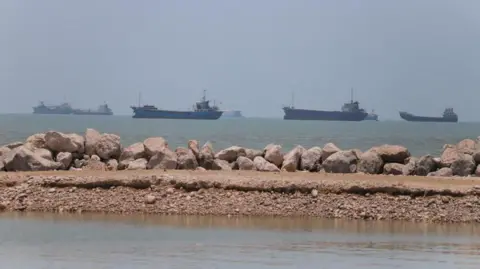
The United States lifted its naval blockade of Iran even as Ayatollah Mojtaba Khamenei denounced the agreement as weakness, setting up an immediate clash between de-escalation on the ground and confrontation in public rhetoric. US Central Command said the move was made “in accordance with the President's direction,” and said some US vessels would remain in the general area.
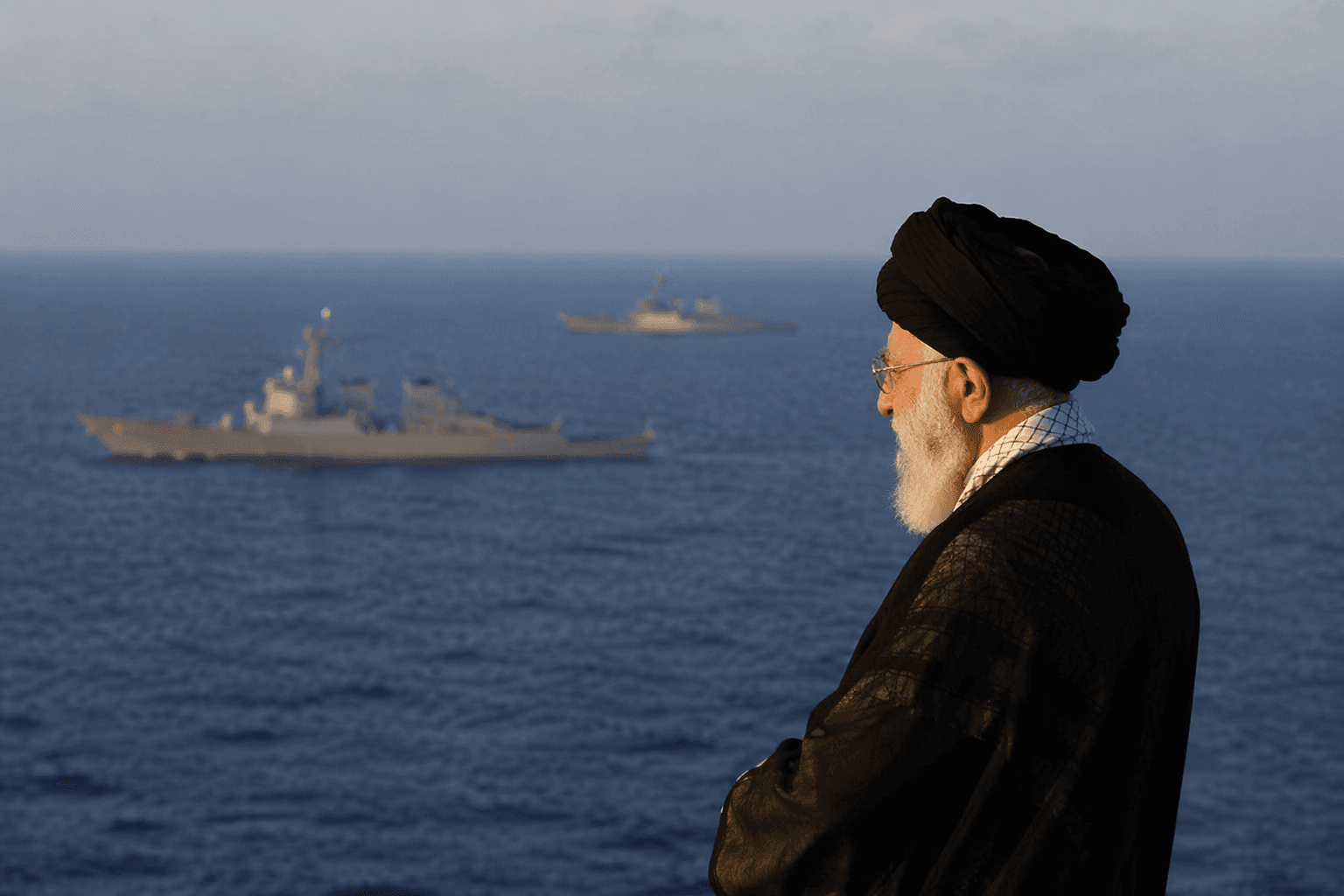
Khamenei delivered the first public response from Iran’s leadership, saying he had initially opposed the deal but allowed it to proceed after assurances from President Masoud Pezeshkian that he would protect the rights of the Iranian nation. He said Donald Trump had signed the deal “out of desperation” and argued that future in-person negotiations would not mean accepting the enemy’s position. The language underscored how both capitals are presenting the same agreement to very different domestic audiences.
According to live coverage and multiple reports, the agreement set in motion a 60-day period for talks on a wider settlement. Those discussions are expected to cover Iran’s nuclear programme, sanctions relief, and regional security, with later talks in Switzerland still uncertain. Reuters- and AP-derived coverage said Trump and Pezeshkian signed the deal on Wednesday to end the war, ease sanctions and open the Strait of Hormuz.

The Strait matters because it is one of the world’s most strategically sensitive shipping chokepoints, and reports said it would reopen under the accord. Oil tankers were said to have resumed moving through the waterway after the blockade was lifted, a sign of how quickly the agreement is affecting global energy flows after months of disruption.
The war had lasted more than three months, and the deal was described as a major breakthrough after stop-start negotiations and rising regional pressure. Some coverage said the draft included an immediate cessation of military operations on all fronts, the lifting of the naval blockade on Iranian ports, and a framework for broader negotiations, while other reports said a 14-point document also included a $300 billion reconstruction plan for Iran. For now, the question is whether the agreement’s mechanics can hold while its chief architects continue selling opposite stories at home.
This article was produced by Prism’s automated news system from verified source data, official records, and press releases, then run through automated quality and moderation checks before publishing. The system is built and supervised by the people who set the standards it runs under. Read our full AI policy.
Know something we missed? Have a correction or additional information?
Submit a Tip