Vance delays Switzerland trip as U.S.-Iran nuclear talks loom
Vance’s delayed Switzerland trip turns a planned signing into a bargaining test, with Iran and Washington still probing for leverage over sanctions, timing and regional war.
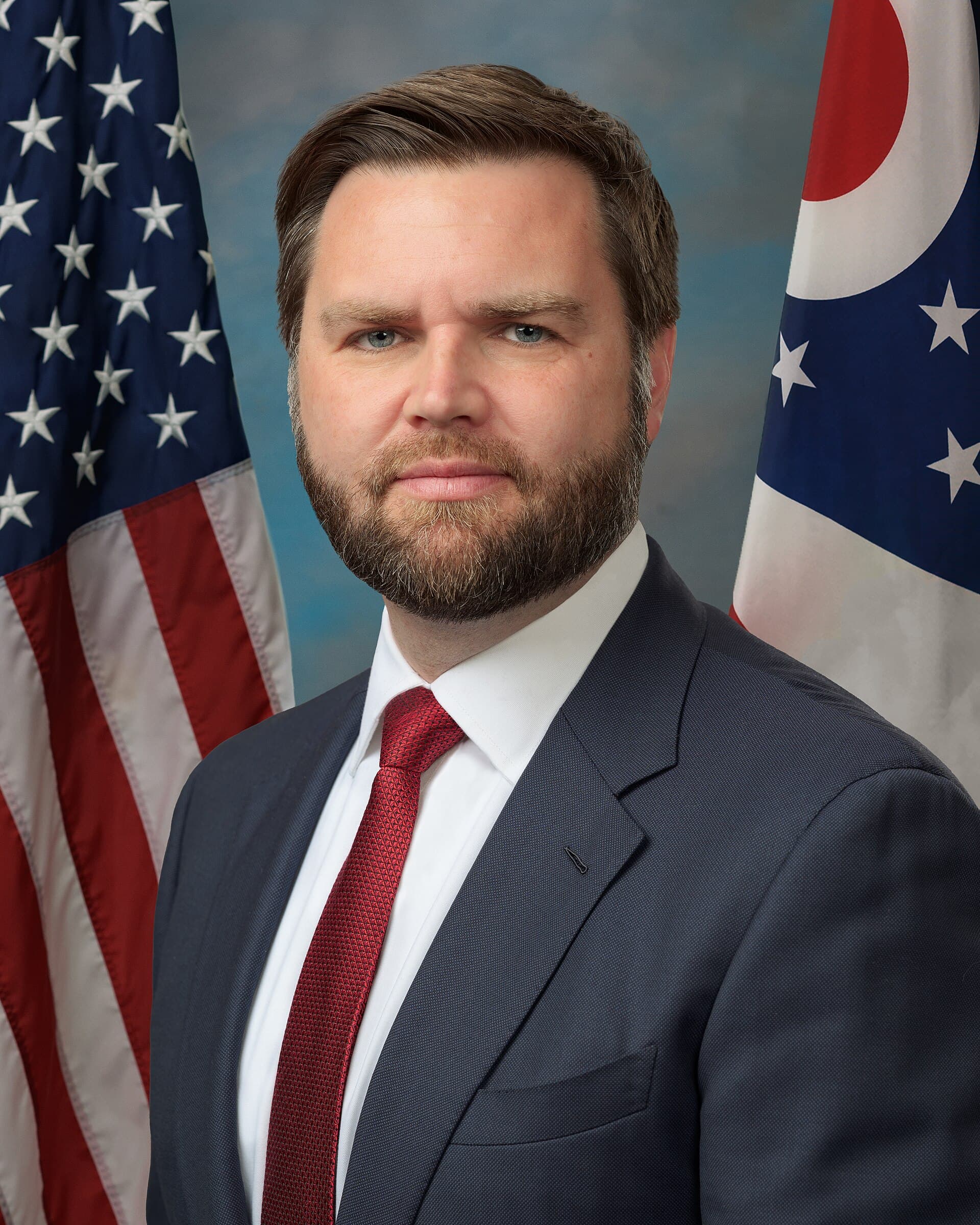
JD Vance’s delayed trip to Switzerland has turned what was supposed to be a ceremonial signing into a live test of diplomatic leverage. The unresolved issues are bigger than travel plans: how much sanctions relief Washington is willing to offer, how Iran’s delegation will move amid regional fighting, and whether the deal is still fluid enough for late-stage concessions.
Vance had been expected to attend a signing ceremony in Switzerland on Friday, but said he did not know whether he would travel. The White House later said the vice president was postponing the trip so he could lead a new round of negotiations with Iran over its nuclear program, citing difficult logistics and uncertainty over when Iran’s delegation could travel. The U.S. and Iran had already digitally signed a memorandum of understanding, a sign that the real battle was never over whether paperwork could be completed, but over what follows.
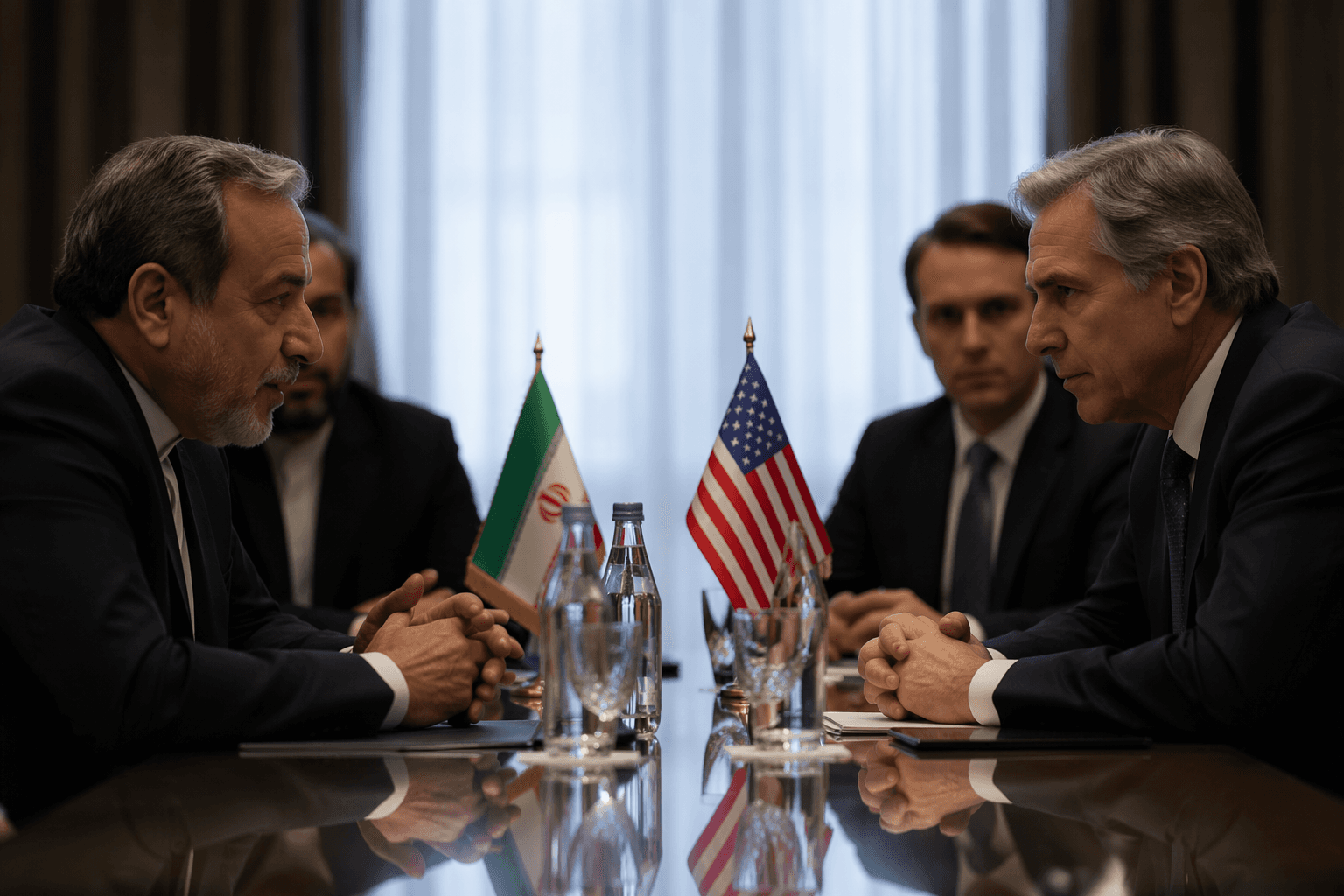
The agreement is being treated as a 60-day framework for follow-on talks, not a final settlement, and that has made the in-person ceremony at Burgenstock Resort near Lucerne a focal point for pressure from both sides. Switzerland’s foreign ministry said it had been working closely with the U.S., Iran, Pakistan and Qatar to facilitate the meeting, and that the location was proposed by Pakistani and Qatari mediators as well as by Washington and Tehran. The resort, a high-security mountain venue, also hosted the 2024 Ukraine peace summit, underscoring the symbolic weight of the setting.
The postponement also highlighted the economic stakes. Washington said it had lifted its blockade and allowed oil tankers to resume passage through the Strait of Hormuz, a move that quickly tied the talks to energy markets and shipping confidence. Donald Trump said the deal was complete and the strait would reopen, while some congressional Republicans complained that Washington may have conceded too much, including sanctions relief and a possible $300 billion reconstruction fund. For critics, the delay suggested the package was still being repriced in real time.
Iranian reporting said Tehran’s delegation was also being delayed by Israel’s military campaign in Lebanon, showing how a wider regional war can still disrupt nuclear diplomacy at the last minute. Ayatollah Mojtaba Khamenei’s first public reaction was read as notable because Iran’s hard-liners have long opposed direct talks with the United States, especially since Washington withdrew from the 2015 nuclear deal. That history makes the present moment look less like a signed agreement than a familiar standoff, with both sides waiting to see who blinks first before the ceremony becomes policy.
This article was produced by Prism’s automated news system from verified source data, official records, and press releases, then run through automated quality and moderation checks before publishing. The system is built and supervised by the people who set the standards it runs under. Read our full AI policy.
Know something we missed? Have a correction or additional information?
Submit a Tip
