US and Iran sign cease-fire agreement, tougher talks lie ahead
Trump and Masoud Pezeshkian signed an initial cease-fire copy, but the real fight now is over Hormuz enforcement, nuclear limits and sanctions relief.

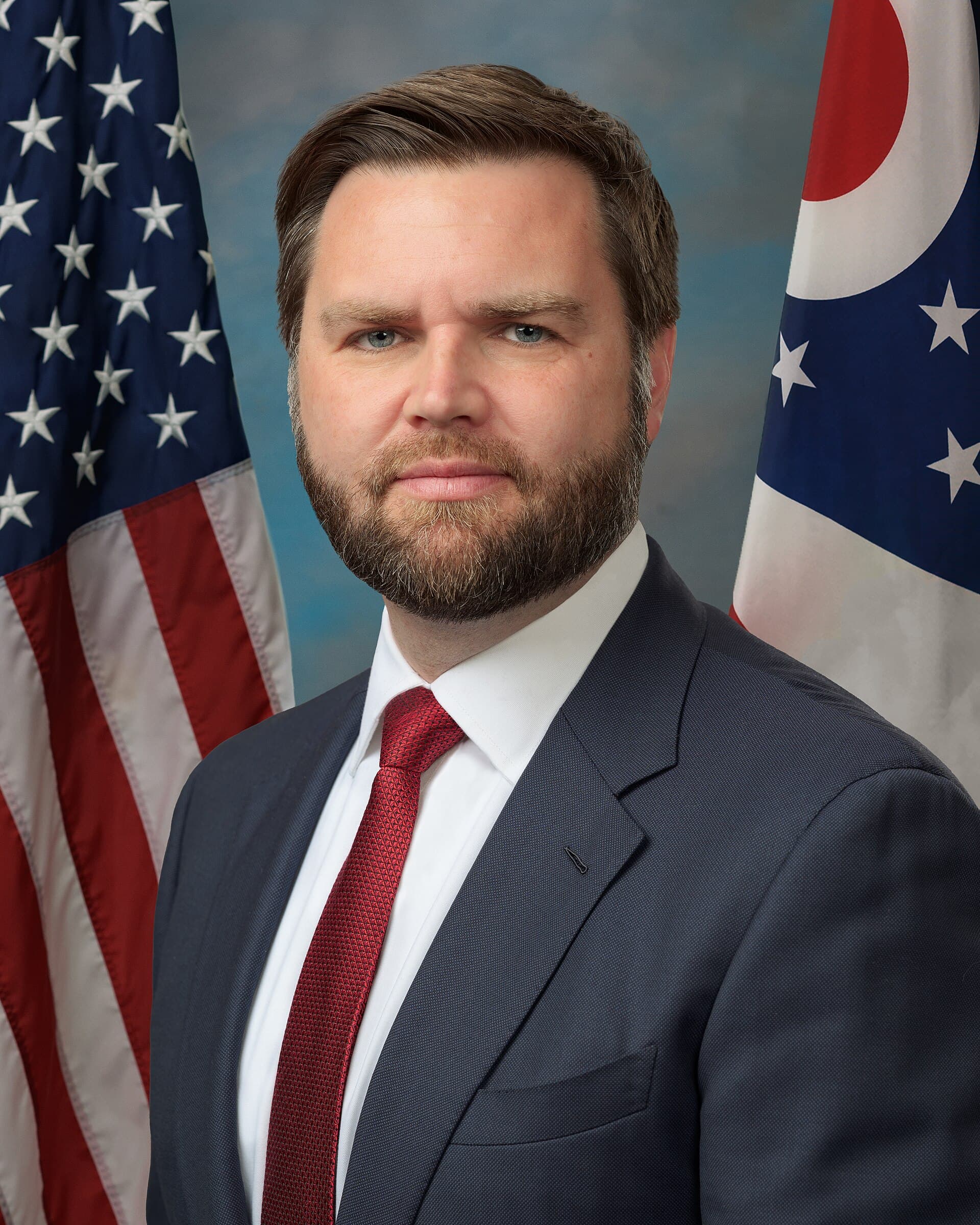
The first piece of paper brought a pause in the shooting, not a resolution. President Donald Trump and Iranian President Masoud Pezeshkian signed a copy of an initial U.S.-Iran agreement that aims to reopen the Strait of Hormuz and end the war, but the deal was framed as a 60-day cease-fire and a bridge to far harder negotiations over enforcement, sequencing and trust.
The text was described as a memorandum of understanding, with the official version still being finalized and a formal in-person signing ceremony expected in Geneva. Even with the symbolism of the signature, major questions remained unresolved, especially how the cease-fire would be enforced, what security guarantees would exist in the region, and whether Iran’s nuclear program would be folded into a durable settlement or left for later.
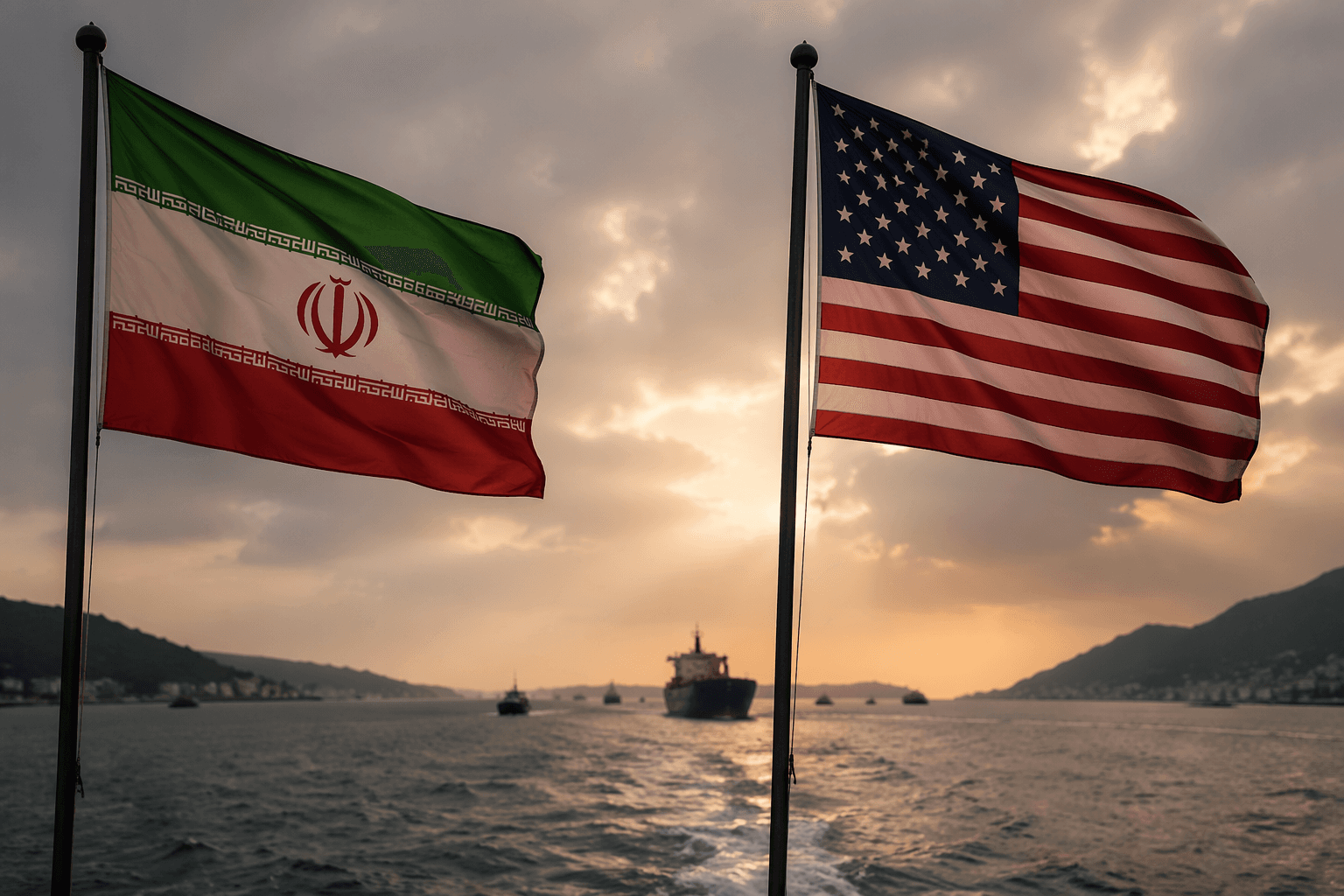
At the center of the agreement is the strait that carries a huge share of the world’s oil shipments. Under the framework, the United States would lift its naval blockade, while Iran would be expected to keep commercial traffic moving at prewar levels during the talks. The deal also reportedly opened the door to sanctions relief that would let Iran resume oil sales during the negotiation period, a major economic lift for Tehran before any final-status issues were settled.
That prospect has already stirred resistance in Washington and abroad. Vice President JD Vance defended the agreement as criticism mounted from some Republicans and Israeli officials, who objected to sanctions relief and the possibility of a reconstruction fund. Israel was not brought into the deal, and some Israeli leaders warned that Iran could use the talks to advance its nuclear program while buying time on other concessions.
The economic terms under discussion help explain why the next round of talks is likely to be contentious. Reuters-linked reporting said one draft framework mentioned a $300 billion private investment fund for Iran, and some versions also discussed releasing $25 billion in frozen Iranian assets. Those figures, together with oil sanctions relief, suggest the preliminary accord could reshape Iran’s finances long before any final agreement is reached.
The war has already spilled into consumer prices far from the Gulf. NBC Bay Area reported that gas prices in some Bay Area counties climbed above $5 a gallon and later reached about $6 in parts of the region, while the U.S. average moved above $4. The station also said crude had surged to $110 a barrel, raising the risk of higher travel and airline costs even if the cease-fire holds.
For now, the agreement has bought time. The harder test begins when negotiators move from a pause in fighting to the mechanics of compliance, oil flows and nuclear limits, and those talks will determine whether this becomes a lasting settlement or just a brief halt in a wider conflict.
This article was produced by Prism’s automated news system from verified source data, official records, and press releases, then run through automated quality and moderation checks before publishing. The system is built and supervised by the people who set the standards it runs under. Read our full AI policy.
Know something we missed? Have a correction or additional information?
Submit a Tip