U.S.-Iran deal ends blockade, deepens rift with Israel
Washington ended its blockade of Iran and reopened the Strait of Hormuz, while JD Vance blasted Israeli critics of a deal that left Tehran's nuclear issue unresolved.

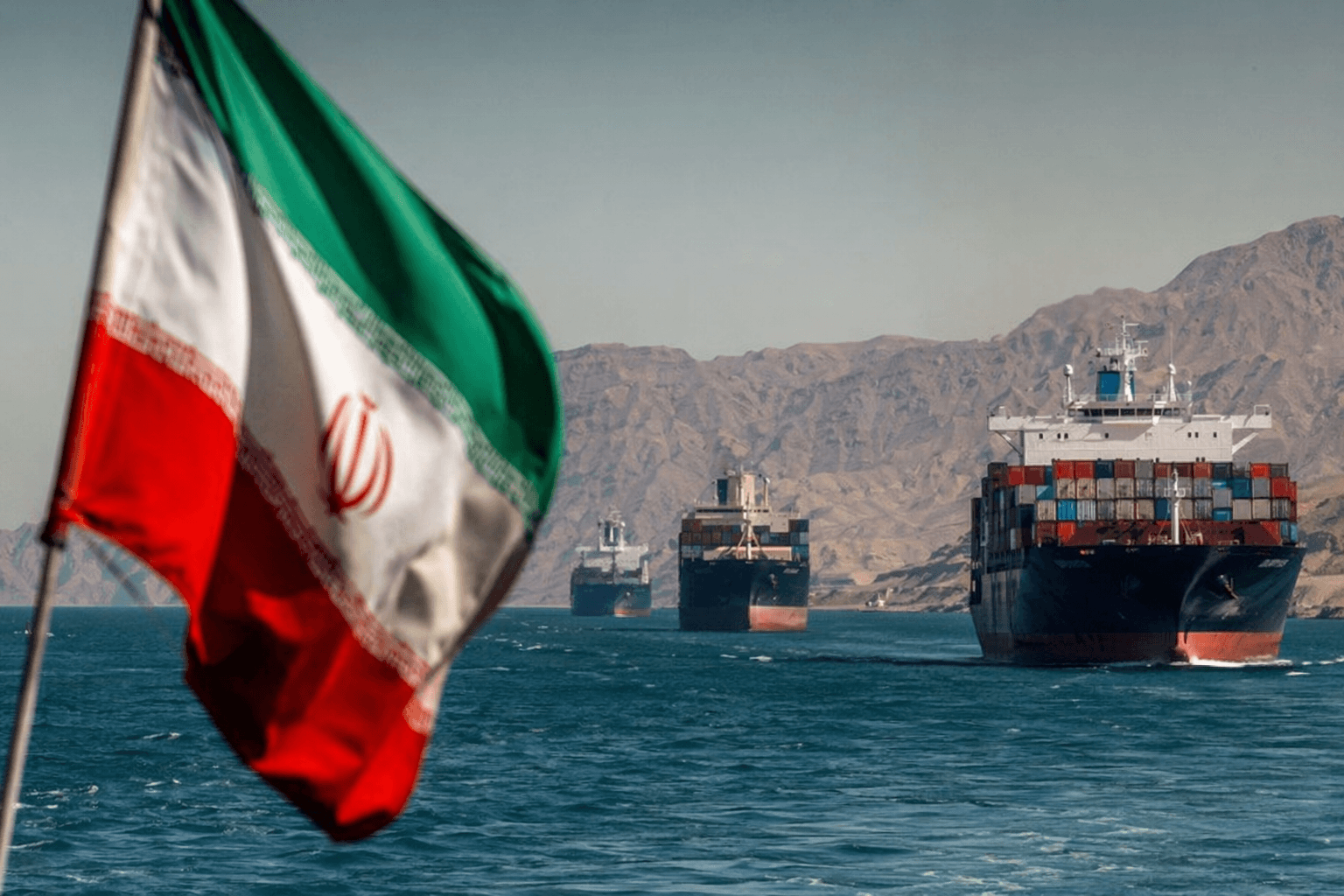
The United States and Iran agreed to end nearly four months of war with a tentative deal that lifted the U.S. naval blockade of Iran's ports and coastal waters and reopened the Strait of Hormuz. President Donald Trump ordered the blockade ended, and oil tankers resumed movement through the chokepoint that carries a large share of the world’s crude shipments.
The agreement, however, stopped short of a final settlement. Several reports described it as a preliminary memorandum of understanding, with the specific terms still not made public. That left the most contentious issues, including Iran’s nuclear program, for later negotiations rather than a clean resolution now.
Israeli officials and commentators quickly attacked the pact as a return to the prewar status quo. Their criticism centered on the fear that the fighting would be frozen without confronting Iran’s nuclear capabilities, while the broader regional balance would snap back to where it stood before the war.
Vice President JD Vance became the administration’s most visible defender on June 18, when he publicly rebuked Israeli critics of the deal. He accused far-right cabinet ministers of failing to appreciate American support, underscoring how sharply the dispute had widened the rift between Washington and Jerusalem.
Vance also delayed a planned trip to Switzerland to lead a new round of U.S.-Iran talks, and the signing ceremony was expected there. The move signaled that the administration wanted to lock in the framework quickly even as the final language remained unsettled.
The White House has continued to emphasize U.S. military aid and diplomatic backing for Israel, but the reaction to the Iran agreement exposed a deeper strategic split. For Trump, the deal marked an effort to stop the war and restore shipping through the Strait of Hormuz. For critics in Israel, it looked like a dangerous pause that left Iran’s most consequential program unresolved and preserved many of the same risks that drove the conflict in the first place.
This article was produced by Prism’s automated news system from verified source data, official records, and press releases, then run through automated quality and moderation checks before publishing. The system is built and supervised by the people who set the standards it runs under. Read our full AI policy.
Know something we missed? Have a correction or additional information?
Submit a Tip