Prabowo turns Indonesia's Danantara into engine of nationalist agenda
Prabowo has turned Danantara into the center of a nationalist export push, even as officials scale back the plan and markets stay wary.
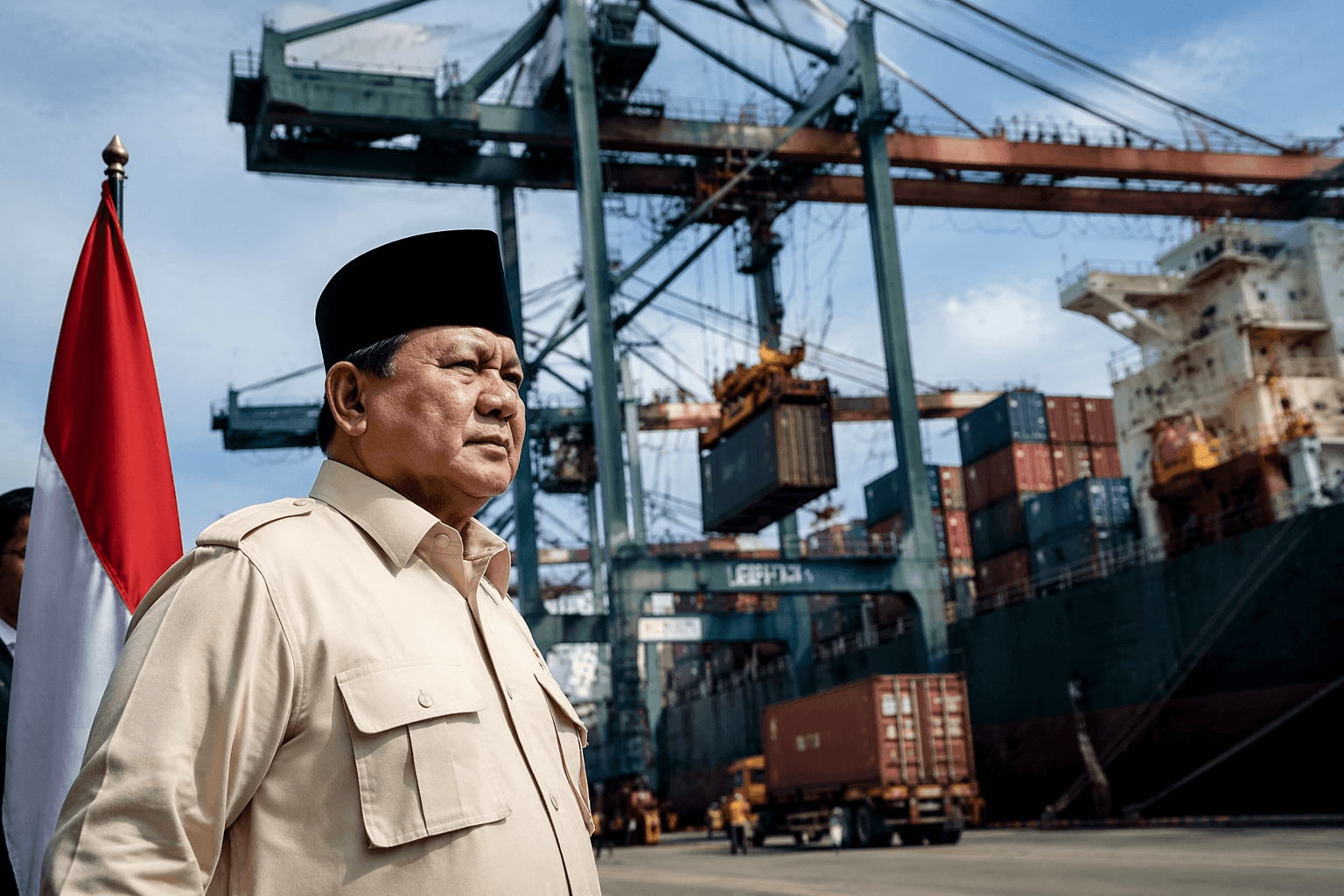
Prabowo Subianto has put Indonesia’s Danantara sovereign wealth fund at the center of a broader nationalist economic drive, linking it to a plan to tighten control over exports of coal, palm oil, nickel products and ferroalloys. He unveiled the policy in parliament on May 20, saying the country had lost as much as $908 billion from undervalued commodity exports, a claim that jolted markets and signaled a more interventionist approach to trade.
The mechanism matters as much as the message. Rather than leaving execution to existing ministries, Prabowo assigned the job to Danantara Sumberdaya Indonesia, a new unit that reports directly to the president. That design gives the presidency tighter control over rollout, but it also concentrates responsibility inside an entity whose role is still taking shape. Economists and analysts have said that the setup shows politics and policy becoming intertwined inside Danantara, which is increasingly being used not just as a financial vehicle but as an administrative tool to carry out state goals.
By June 11, the government was already scaling back the original centralization concept. Officials said Danantara Sumberdaya Indonesia would monitor exports, prevent fraud and police transfer pricing and under-invoicing, rather than act as a true middleman buying and reselling commodities. Businesses were told to report export activity during a transition period running from June 1 to December 31, 2026, while existing contracts and customer relationships would be honored. The government said the goal was to lift revenue, not destroy the current trade system.
The stakes are large. Overseas sales of coal, palm oil and ferroalloys reached $66.13 billion in 2025, about a quarter of Indonesia’s total exports, making any shift in policy consequential for growth, foreign exchange earnings and investor confidence. Industry reactions have been mixed to negative, with oleochemical market participants describing the plan as uncertain, confused and skeptical as they waited for more clarity.

Danantara itself is a young institution with heavy ambitions. Established in the first quarter of 2025 as Indonesia’s second sovereign wealth fund, it was seeded with stakes in seven state-owned enterprises. Global SWF values those stakes at about $172 billion and estimates assets under management at roughly $230 billion. Danantara says it oversees and grows strategic assets to support Indonesia’s long-term economic transformation, and its recent activity has already widened into waste-to-energy projects and a $1.5 billion international bond that was more than three times oversubscribed. For Prabowo, the fund is becoming a signature instrument of state power; for investors, it is a test of whether Indonesia can match nationalist ambition with institutional discipline.
This article was produced by Prism’s automated news system from verified source data, official records, and press releases, then run through automated quality and moderation checks before publishing. The system is built and supervised by the people who set the standards it runs under. Read our full AI policy.
Know something we missed? Have a correction or additional information?
Submit a Tip