Trump compares Iran nuclear memorandum with Obama-era deal
Trump’s Iran memo is being sold as tougher, but the 2015 deal had fixed nuclear caps, IAEA inspections and UN backing that the new framework has not shown.
The most consequential difference between Donald Trump’s Iran memorandum and Barack Obama’s 2015 nuclear deal is not the spin from either White House. The 2015 Joint Comprehensive Plan of Action imposed concrete limits on Iran’s program, while the newer Trump-Iran framework has been described only as an interim arrangement, with no publicly released final text.
Under the JCPOA, finalized on July 14, 2015 and endorsed by the United Nations Security Council on July 20, 2015, Iran agreed to cap uranium enrichment at 3.67 percent, shrink its enriched-uranium stockpile to 300 kilograms, and keep only 5,060 IR-1 centrifuges operating at Natanz for a decade. The International Atomic Energy Agency was assigned to verify compliance, giving the deal an inspection and monitoring structure that was built into the agreement itself. Arms-control analysts have said those limits stretched Iran’s breakout time to about 12 months during the first decade of the accord.
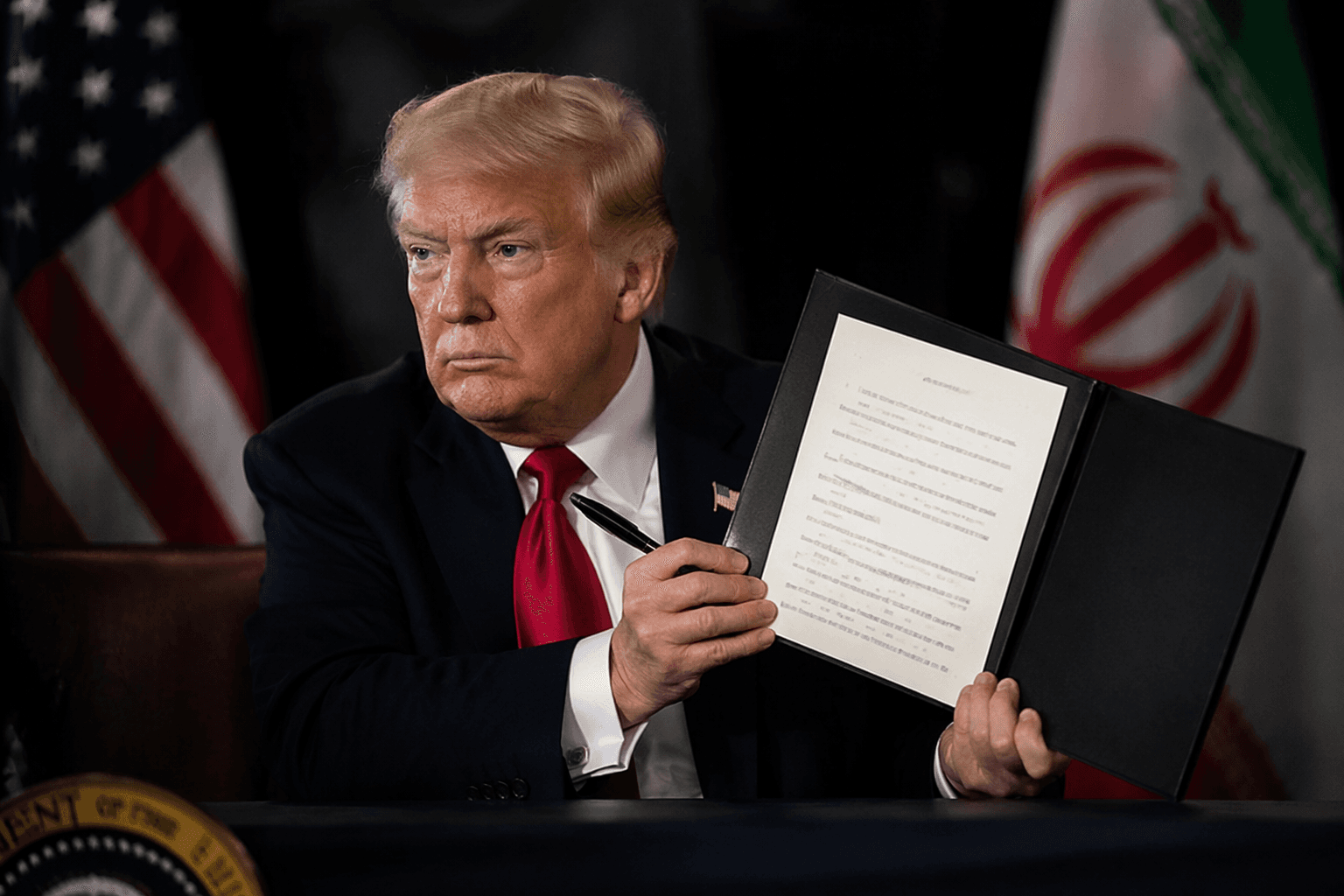
That is the central security measure the Trump administration is comparing against today. Trump withdrew the United States from the JCPOA in 2018, calling it disastrous and one-sided, but his administration is now arguing that a new memorandum of understanding would do more to prevent Iran from obtaining a nuclear weapon. The difference, for now, is that the earlier accord was a signed, public agreement with clear enforcement architecture and sanctions relief, while the current framework remains an interim text whose terms have not been released in the reporting available.
That matters beyond Washington. The old deal was designed to lower the risk of a rapid Iranian sprint to a bomb and reduce the chance of a regional crisis over uranium enrichment. The new talks are unfolding amid war, a fragile ceasefire, and continuing pressure points around the Strait of Hormuz and Israel, where any breakdown could quickly affect shipping, energy markets and military posture across the region.
As of the latest International Atomic Energy Agency reporting in May 2025, quarterly verification and monitoring reports were still tied to Iran’s JCPOA-related commitments and Security Council Resolution 2231. That continuing oversight underscores the reality check at the center of the dispute: the original deal had measurable restrictions, while the Trump memorandum is being judged before its final terms, inspection regime and sanctions relief structure have been fully shown.
This article was produced by Prism’s automated news system from verified source data, official records, and press releases, then run through automated quality and moderation checks before publishing. The system is built and supervised by the people who set the standards it runs under. Read our full AI policy.
Know something we missed? Have a correction or additional information?
Submit a Tip