Italian prosecutors lack evidence to charge suspects in Sarajevo sniper probe
Milan prosecutors still lack enough evidence to take any Sarajevo sniper suspect to trial. The probe reaches back to a 44-month siege that killed about 11,000 civilians.
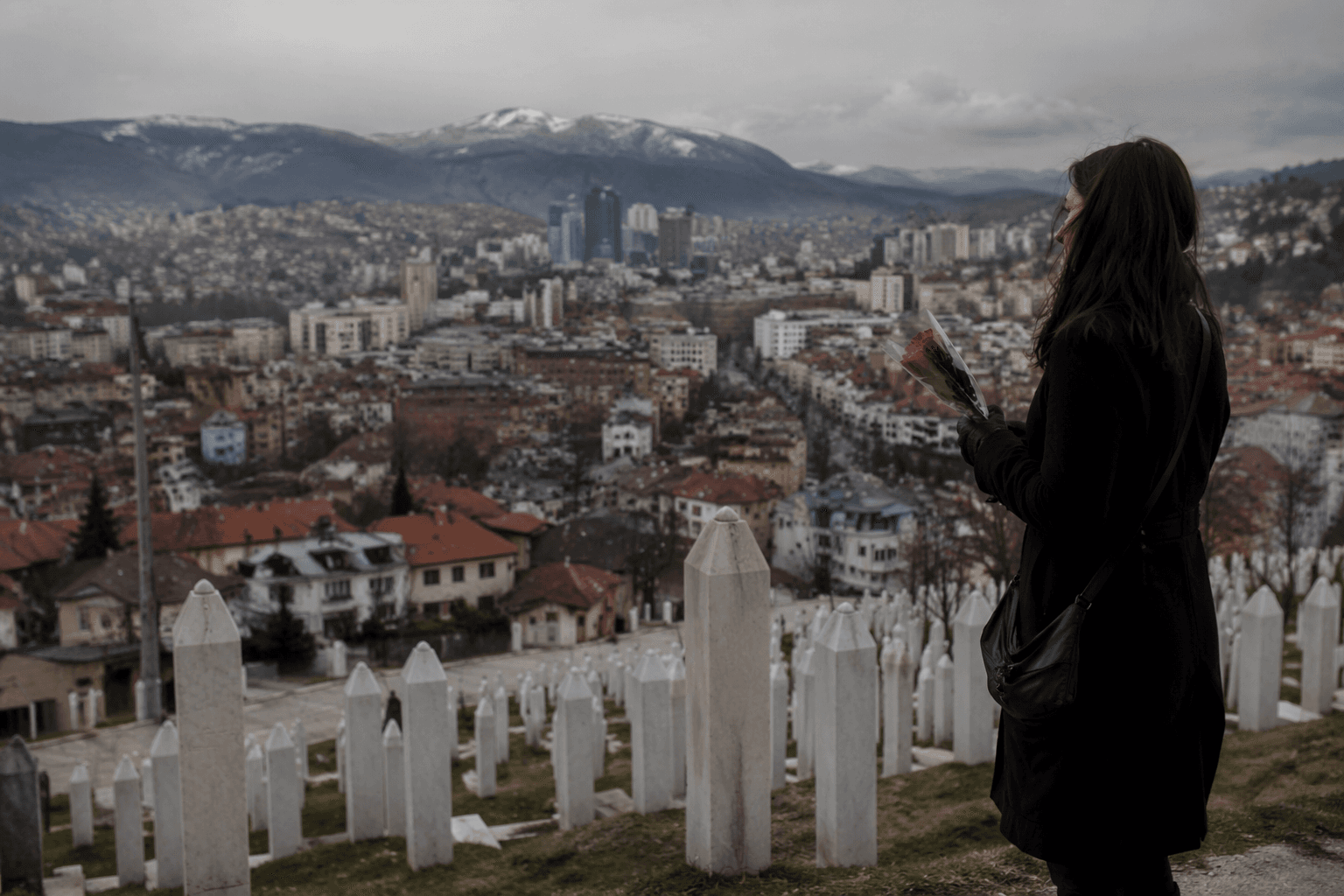
Italian prosecutors investigating allegations of so-called sniper tourism in Sarajevo still do not have enough evidence to send any suspect to trial, even as the case deepens into one of the most disturbing and difficult war-crimes probes linked to the Bosnian conflict. Milan prosecutors have placed five people under investigation over claims that Italians and other foreigners paid to shoot at civilians during the 1992-95 siege of Sarajevo.
The inquiry began last year after journalist and novelist Ezio Gavazzeni filed a legal complaint, drawing on claims that wealthy foreigners had traveled to Bosnia and Herzegovina to take part in shooting excursions during the war. Gavazzeni said he was prompted by Miran Zupanič’s 2022 documentary Sarajevo Safari, which examined allegations that outsiders treated the siege like a deadly sport. For prosecutors, the central obstacle is no longer the scandal of the accusation itself, but whether testimony, documents and other material can be turned into admissible proof decades after the events.
That hurdle is formidable. Sarajevo was under siege for about 44 months, from April 1992 to early 1996, and about 11,000 civilians were killed by shelling and sniper fire during the assault. Human Rights Watch and other war-crimes reporting have long described the city as a place where civilians faced deliberate attacks, including fire from Bosnian Serb-held hills around Sarajevo. Those wartime facts are well established; what remains far harder to prove is the claim that civilians were deliberately targeted by paying foreign visitors who crossed into a war zone for entertainment.
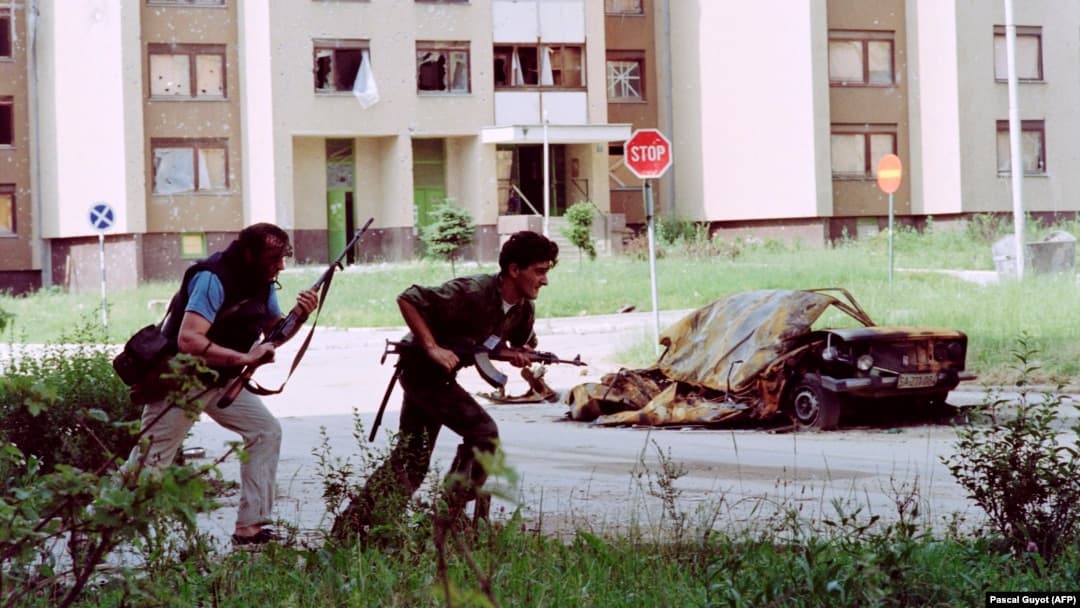
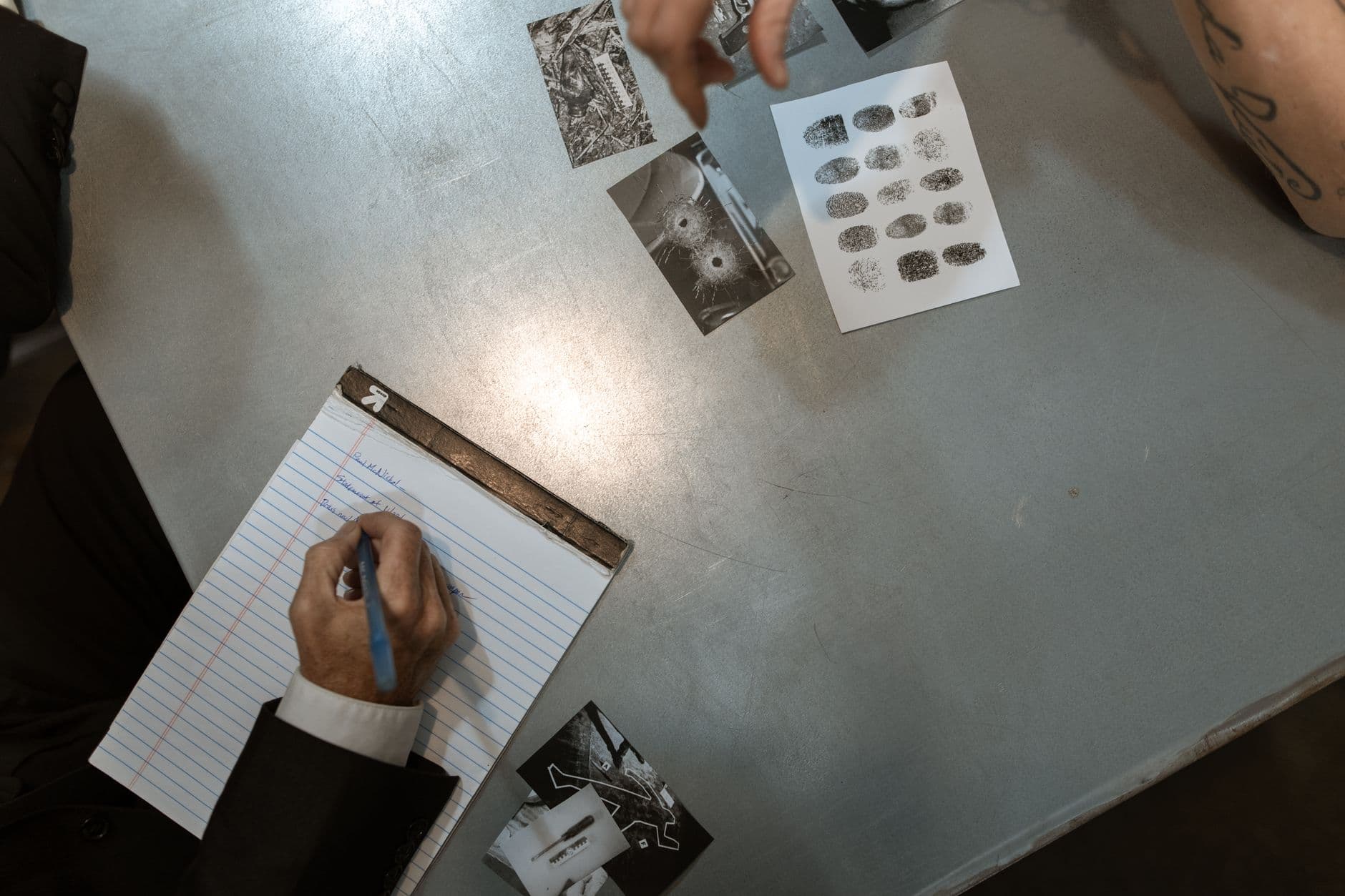
The case has already produced at least some movement. Earlier coverage identified one suspect as an 80-year-old former truck driver living near Pordenone, and he was summoned for questioning in February 2026. Mid-June reporting also said Carabinieri searched the home of a suspect and seized what prosecutors described as “significant” evidence. Even so, as of June 18 investigators still did not have enough evidence to seek a trial for any of the five men under investigation.
For victims and survivors in Sarajevo, the probe underscores how slowly accountability can move when alleged crimes are rooted in a siege that ended three decades ago. The legal challenge is not only whether the accusations are true, but whether scattered witnesses, aged records and fragmentary recollections can still support a courtroom case strong enough to meet the burden of proof.
This article was produced by Prism’s automated news system from verified source data, official records, and press releases, then run through automated quality and moderation checks before publishing. The system is built and supervised by the people who set the standards it runs under. Read our full AI policy.
Know something we missed? Have a correction or additional information?
Submit a Tip