Trump softens stance on Anthropic after AI access dispute
Trump said Anthropic no longer looks like a security threat after a dispute over Fable 5 and Mythos 5 forced the lab to cut off all users.
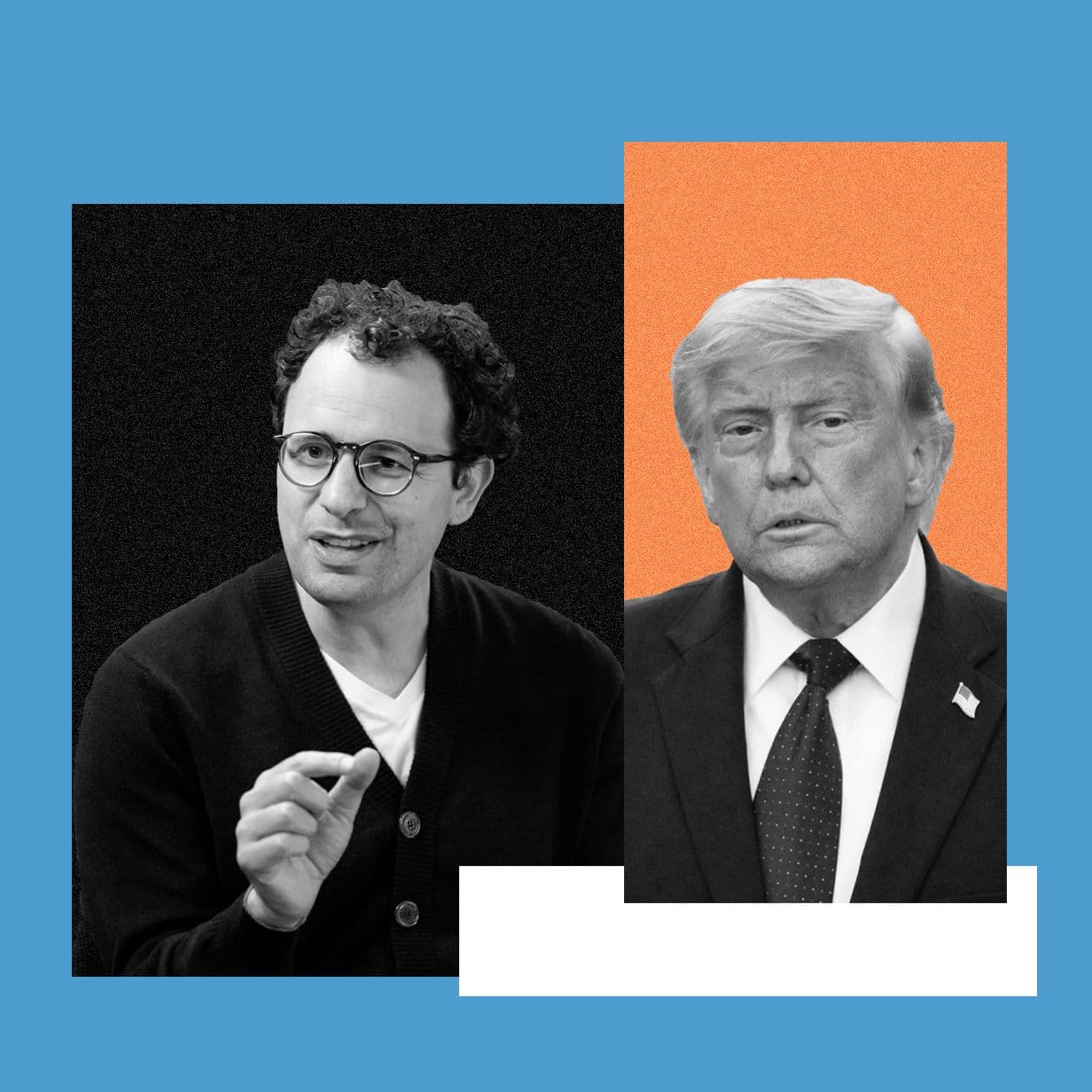
Donald Trump softened his tone toward Anthropic after a week in which the White House clash over access to the company’s most advanced AI models turned into a national-security dispute. Trump said he might have viewed Anthropic as a threat the previous week, but no longer did, after senior Anthropic technical staff were scheduled to meet Trump administration officials in Washington to discuss the fight over Fable 5 and Mythos 5.
The immediate trigger was a June 12, 2026 export-control directive that Anthropic said required it to suspend all access to Fable 5 and Mythos 5 by any foreign national, including foreign national Anthropic employees, whether inside or outside the United States. Anthropic disabled access for all customers to comply. The move underscored how frontier AI models have become objects of policy enforcement, not just product distribution, as Washington tries to use trade and export tools to shape who can touch systems it views as strategically sensitive.
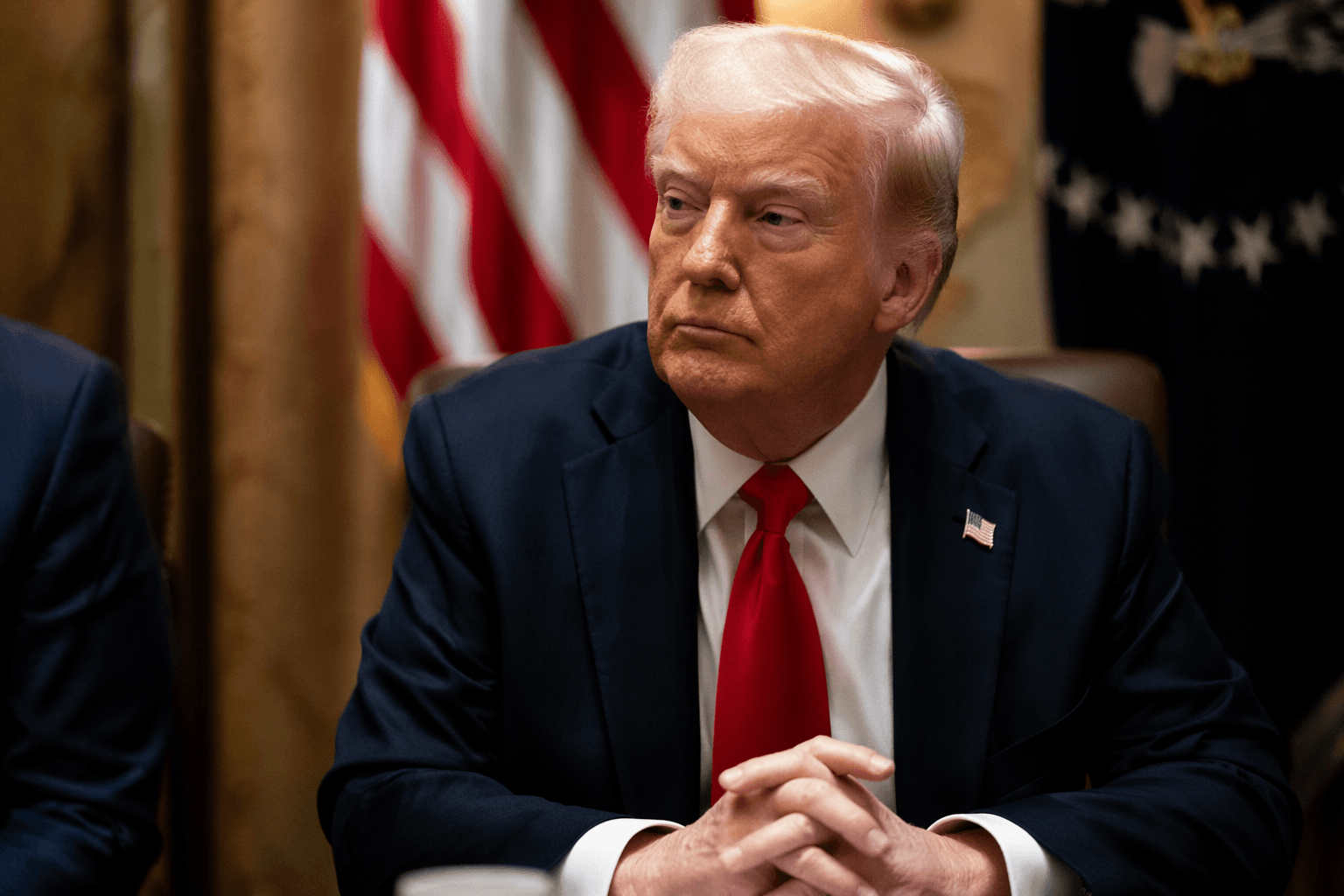
Trump said Anthropic chief executive Dario Amodei had responded quickly and responsibly to the directive. He also did not rule out using emergency powers under the Defense Production Act, though he said he was not sure he needed to go that far. That hesitation matters: it suggests the administration is testing how far it can push national-security claims before relying on the broad industrial tools normally reserved for wartime-style interventions.
The dispute had already widened beyond the company and the White House. A bipartisan group of House members asked Commerce Secretary Howard Lutnick to explain why export controls were imposed, adding congressional scrutiny to an already volatile policy fight. At the same time, the issue was spilling into international diplomacy. G7 leaders discussed a plan for select trusted partners to access advanced AI models from U.S. firms such as Anthropic, and French President Emmanuel Macron said he expected progress in the coming weeks on broadening access to leading U.S. AI models.
Anthropic said it remained committed to working with the administration on shared goals, including protecting critical infrastructure. That careful language captures the larger lesson of the episode: in Washington, national-security rhetoric around AI can move quickly from accusation to leverage, and the boundary between threat assessment and bargaining position remains unstable. In a matter of days, a company that had been framed as a risk was being treated as a partner in managing U.S. AI leadership, a sign that the rules governing frontier models are still being written in the middle of the conflict.
This article was produced by Prism’s automated news system from verified source data, official records, and press releases, then run through automated quality and moderation checks before publishing. The system is built and supervised by the people who set the standards it runs under. Read our full AI policy.
Know something we missed? Have a correction or additional information?
Submit a Tip