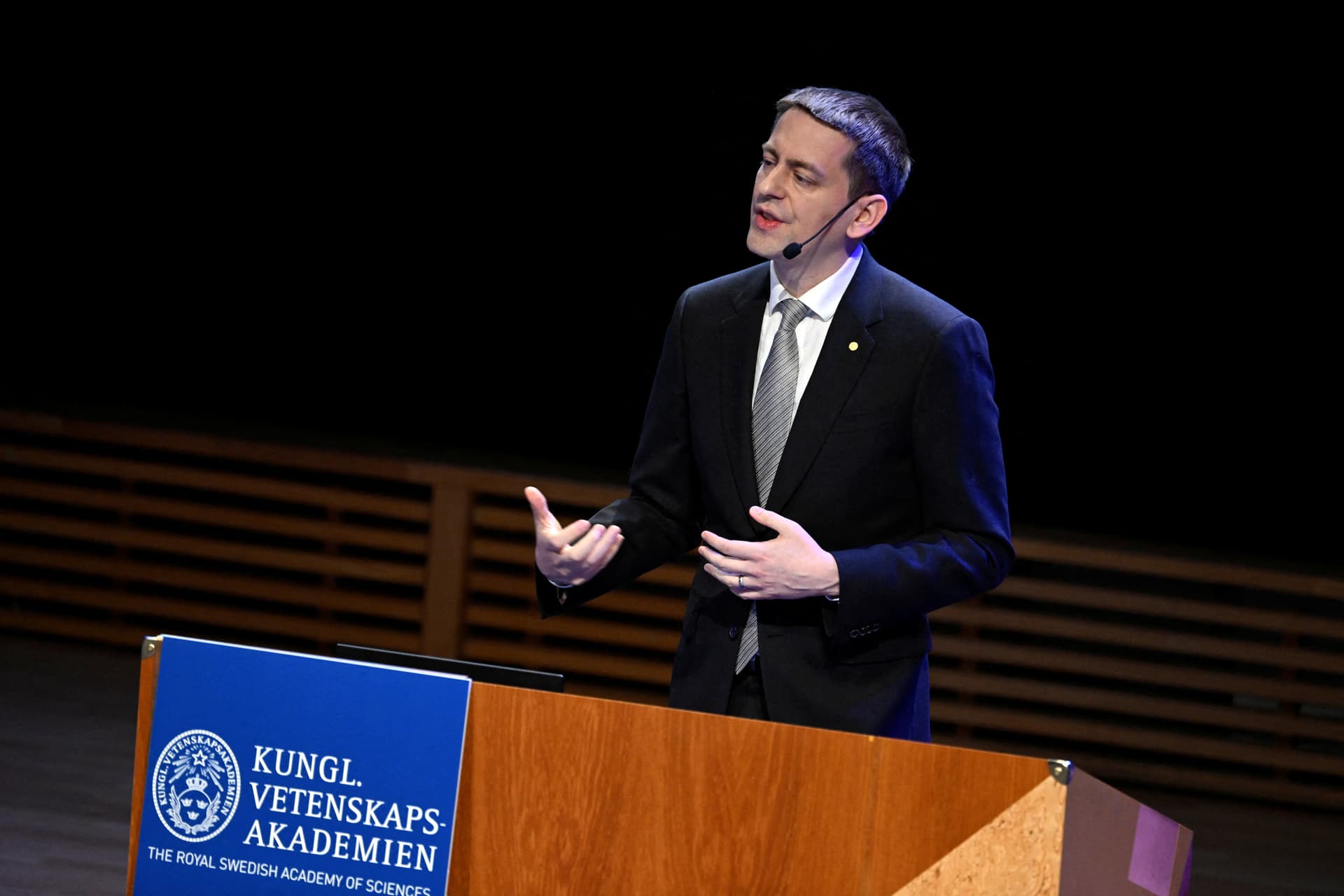
VLC creator Jean-Baptiste Kempf raises $5 million for Kyber robotics layer
Jean-Baptiste Kempf’s new Kyber layer raised $5 million to power remote robots, betting robotics needs the same open-source glue that made VLC ubiquitous.
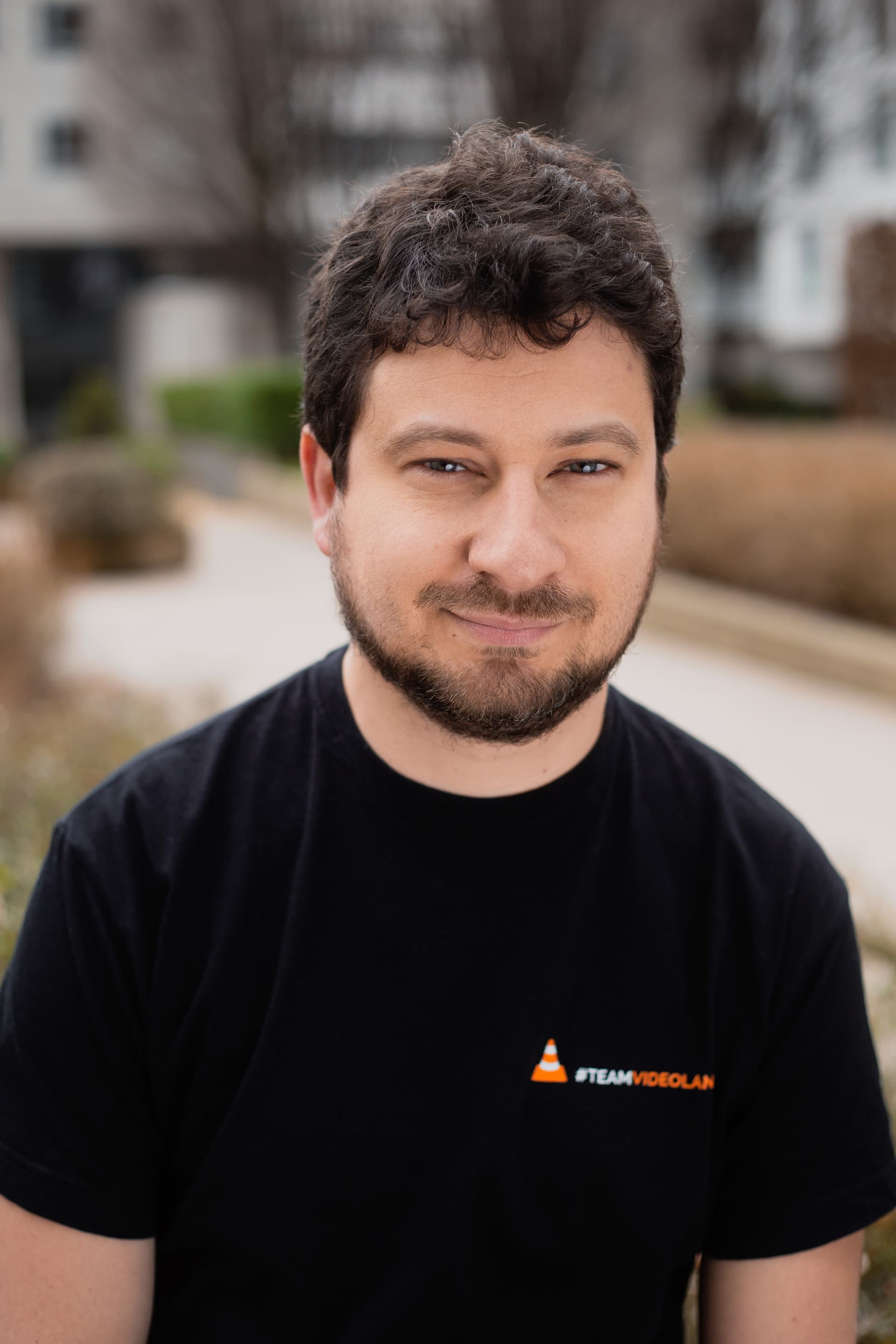
Jean-Baptiste Kempf is trying to turn robotics into an interoperability story. The longtime VLC leader has raised $5 million for Kyber, a software layer designed to control remote devices in real time with minimal latency, and he is pitching it as the kind of infrastructure that could make robots, drones and other physical systems as accessible as media software became on the desktop.
Kempf’s case rests on scale. VLC Media Player, the free and open-source cross-platform multimedia player and framework developed under VideoLAN, has been downloaded more than 6 billion times. Kempf’s own site calls him “the VLC guy” and says he is president of VideoLAN, the France-based nonprofit that backs the project. Now he is applying the same open-source logic to machines that move in the real world, arguing that robotics is entering an “open-source infrastructure” phase in which standards and interoperability could shape who controls the next layer of automation.
Kyber’s core product is an SDK that synchronizes video, audio, sensor data and control inputs with minimal latency. Kempf says it is built for cases where the operator, the compute and the action are all in different places, a description that fits remote driving, drones and other systems where milliseconds matter. The startup began as a side project while Kempf was CTO at cloud gaming company Shadow, where he refined the low-latency streaming know-how that now underpins Kyber.
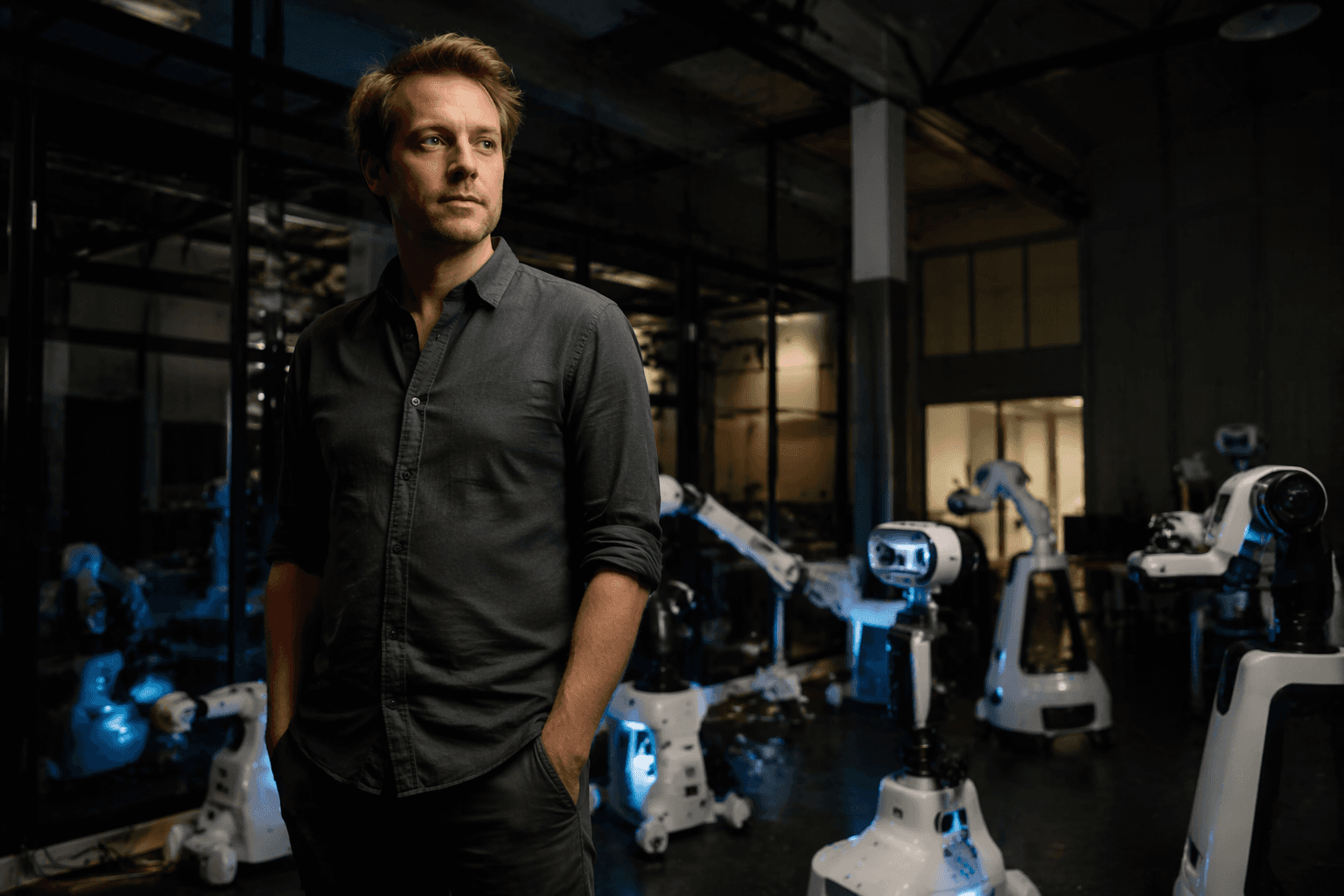
Lightspeed Venture Partners led the round, and the firm said in a LinkedIn post that “physical AI is only as good as the underlying systems running it.” That backing reflects a broader belief that robotics will depend not just on better models, but on the plumbing needed to move commands, video and telemetry reliably across fleets.
Kempf said the problem grows harder as fleets scale. Some companies have already built similar software for their own needs, including remote driving, he said, but the biggest existing fleets may still number only 2,000 or 3,000 vehicles. Managing millions of devices would be a different challenge entirely, especially as observability becomes more important when AI agents, rather than humans, are monitoring fleets and networks.
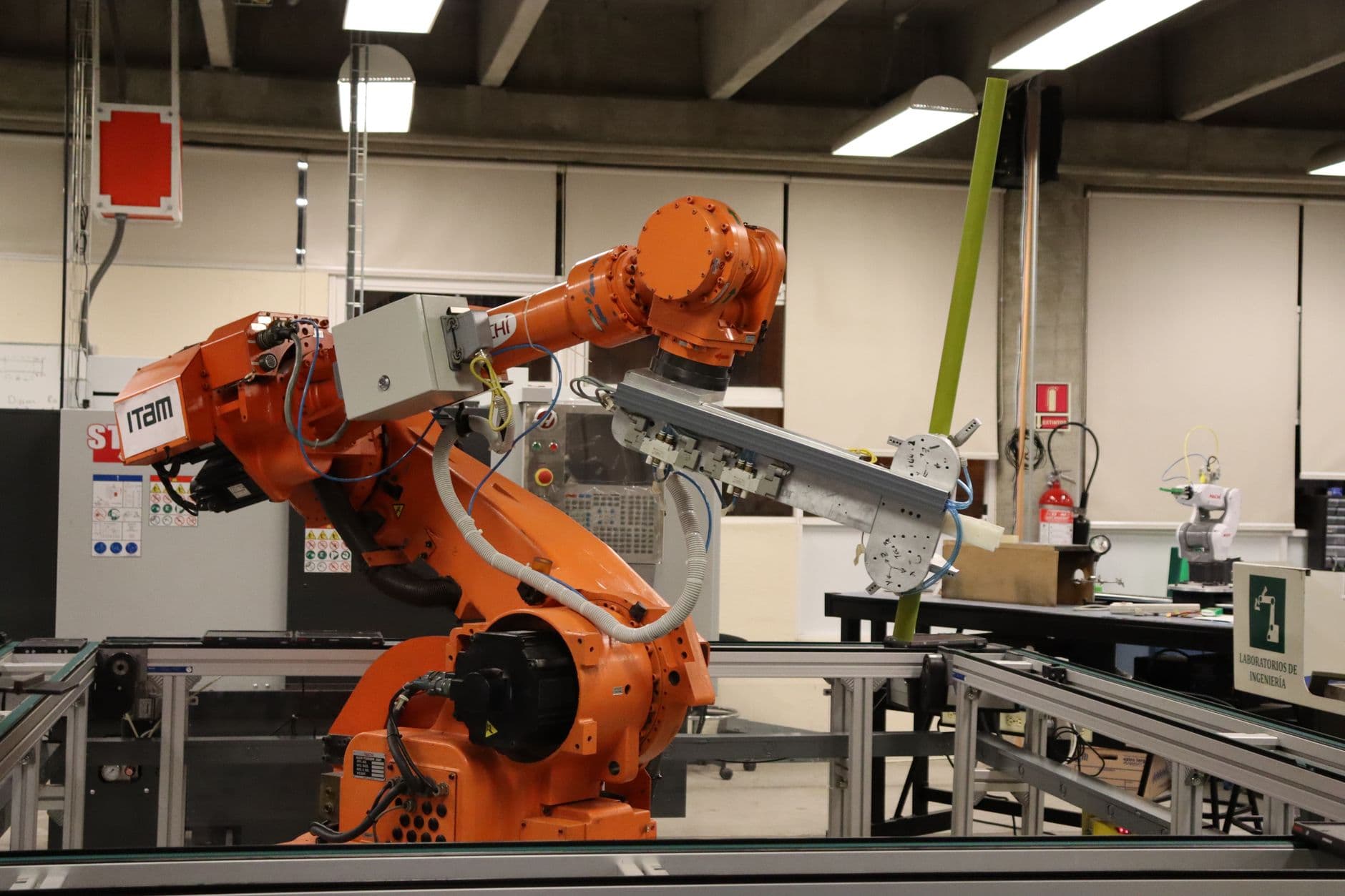
Even before that scale arrives, the appeal is practical. Kempf said the platform can reduce the need to physically reach each device just to push a software update. That kind of operational efficiency, once taken for granted in software, may prove to be the deciding advantage as robotics moves from isolated deployments toward something closer to infrastructure.
This article was produced by Prism’s automated news system from verified source data, official records, and press releases, then run through automated quality and moderation checks before publishing. The system is built and supervised by the people who set the standards it runs under. Read our full AI policy.
Know something we missed? Have a correction or additional information?
Submit a Tip