Trump spends $750,000 to evacuate woman from Pitcairn Island
Trump’s $750,000 charter to pull one American off Pitcairn Island underscores the cost of rescue when public health, distance and diplomacy collide.

The Trump administration spent $750,000 to charter a private yacht and evacuate a single American woman from Pitcairn Island, turning a possible hantavirus exposure into a costly test of how far the United States will go for a citizen abroad. The rescue is a stark example of the price of protecting Americans in remote places, where speed, geography and disease controls can push a routine precaution into six-figure emergency logistics.
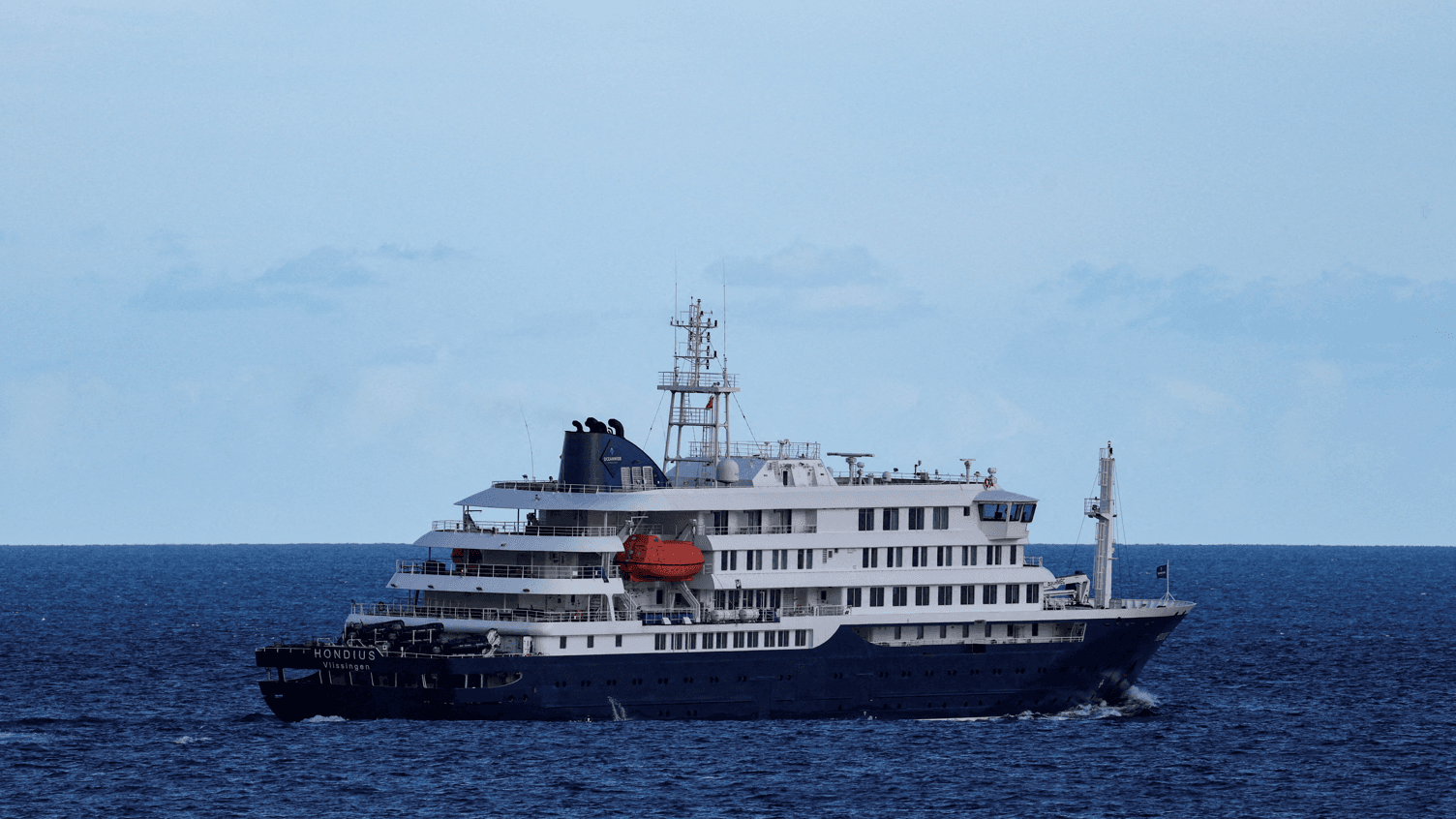
The woman had been aboard the Dutch cruise ship MV Hondius, which was tied to a deadly Andes-virus outbreak in the Atlantic Ocean. From that travel network she moved through San Francisco and Tahiti before reaching the isolated British territory of Pitcairn Island, a route that made her transfer far more complicated than a standard medical evacuation. The private vessel reportedly used in the operation was the Titaina Explorer.

Federal health officials have treated the outbreak as a fast-moving public-health event. The Centers for Disease Control and Prevention said on May 2 that it was responding to the cruise-ship outbreak and later issued a Health Alert Network advisory on May 8 warning clinicians and health departments about possible imported cases. By that date, the World Health Organization had reported eight cases and three deaths, even as CDC said the risk to the American public and travelers remained extremely low.
The response has expanded beyond the passenger list. Scientists were trapping and testing rats in Mendoza while waiting for laboratory results from Ushuaia, part of a broader effort to understand how the virus moved through the cruise environment and whether additional cases could surface. Two Texas passengers who had been monitored after exposure finished that period without signs of infection, and a Canadian passenger who tested positive recovered.
The evacuation also lands at a sensitive moment for the State Department’s emergency fund, known as the K Fund. Internal documents show it has fallen to its lowest level in seven years, and officials were considering moving as much as $50 million from other accounts into it. The department has already been stretched by rapid evacuations from the Middle East and by preparations for possible operations in countries dealing with Ebola.
The case raises a durable precedent question: how does the government weigh duty to protect one American citizen against the extraordinary costs of reaching a remote island? In a world where a single exposure can trigger a multinational response, the answer is increasingly shaped by public health risk, emergency finance and the hard limits of distance.
This article was produced by Prism’s automated news system from verified source data, official records, and press releases, then run through automated quality and moderation checks before publishing. The system is built and supervised by the people who set the standards it runs under. Read our full AI policy.
Did this article answer your question?