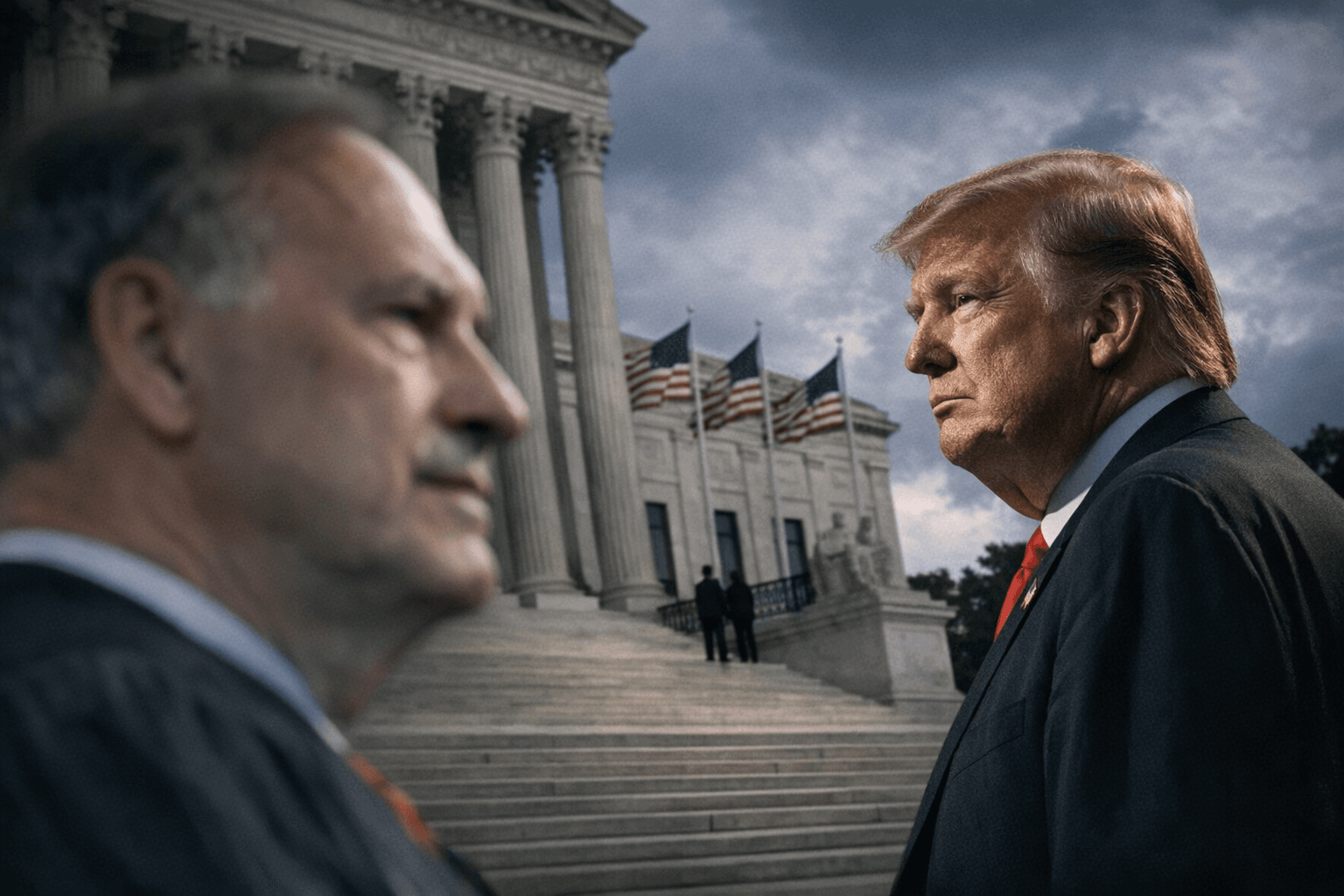
Trump supporters turn on Bondi over Epstein files handling
Bondi’s claim that a Jeffrey Epstein “client list” was “sitting on my desk” and the Feb. 27, 2025 “Phase 1” binders left supporters angry after only about 200 pages were released.
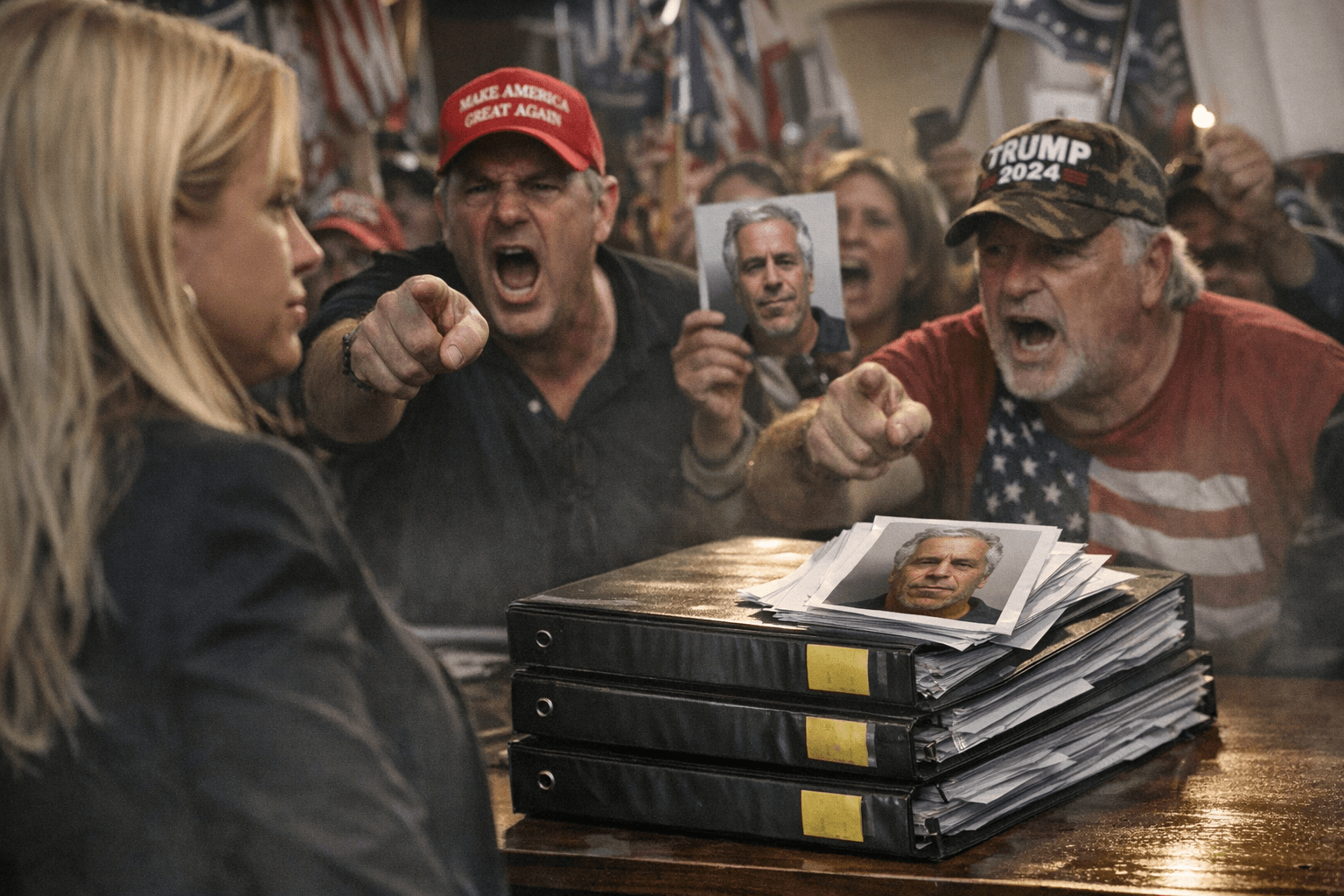
Pam Bondi’s public promises of sweeping disclosure have fractured trust inside President Trump’s coalition, turning hopeful supporters into amateur sleuths and critics of the Justice Department’s process. Bondi told Fox News the rumored “client list” was “sitting on my desk,” a remark that set expectations high before DOJ’s Feb. 27, 2025 release of roughly 200 pages and its notice that thousands more existed and would require review and redaction. The mismatch between promise and product crystallized into anger when about 15 right-wing influencers left the White House that same day with binders labeled “The Epstein Files: Phase 1,” but reported little new material inside those binders.
The legislative and logistical contours of release have complicated matters. Congress enacted H.R. 4405, the Epstein Files Transparency Act, which the President signed into law on Nov. 19, 2025, requiring the Attorney General to produce DOJ-held records relating to Jeffrey Epstein, subject to lawful redaction. DOJ then disclosed on Dec. 24, 2025 that the FBI and the U.S. Attorney’s Office for the Southern District of New York had identified more than 1,000,000 additional documents potentially related to Epstein, and warned that reviewing and redacting that volume would take weeks. DOJ maintains an Epstein “DOJ Disclosures” page that consolidates released materials and shows DOJ-applied redactions of victim names and other identifying information, along with pre-existing court-ordered redactions.
The procedural details have become political fuel. Bondi tasked FBI Director Kash Patel to investigate why the full set of records had not been produced initially, a move that did not satisfy critics who expected a clearer accounting. Supporters who had sought confirmation of high-profile names instead found redactions and staggered releases; that absence of immediate, exhaustive material has fed online rumor economies, message-board reconstructions, and intra-movement accusations aimed at officials perceived as gatekeepers.
Survivors and elected officials added pressure from different directions. Epstein survivor Jess Michaels said she initially hoped a woman attorney general would “finally” bring truth for survivors but felt Bondi “chose not to,” reflecting a broader erosion of survivor confidence. First Lady Melania Trump issued a public statement in April 2026 denying any ties to Jeffrey Epstein or Ghislaine Maxwell and calling on Congress to hold a public hearing centered on survivors’ sworn testimony, sharpening political stakes in Washington, D.C., and New York.
The dispute escalated after Bondi was removed in early April 2026 and replaced on an interim basis by deputy Todd Blanche, who pushed back against claims that Epstein disclosures caused her departure. House Oversight issued a subpoena for Bondi to testify on April 14, 2026; DOJ argued the subpoena no longer applied because it had been issued in her official capacity and she no longer held that office, prompting Democratic threats of contempt. The coming weeks, with an April 14 hearing date and more than 1,000,000 documents still to review, will determine whether formal disclosures and sworn testimony can repair a coalition’s fractured trust or deepen the political costs of incomplete transparency.
Sources:
Know something we missed? Have a correction or additional information?
Submit a Tip