Trump tax law boosts refunds but swells deficits, weakens safety net
Middle- and upper-income households are getting bigger refunds, while CBO sees a $3.4 trillion deficit hit and weaker support for Medicaid and SNAP.
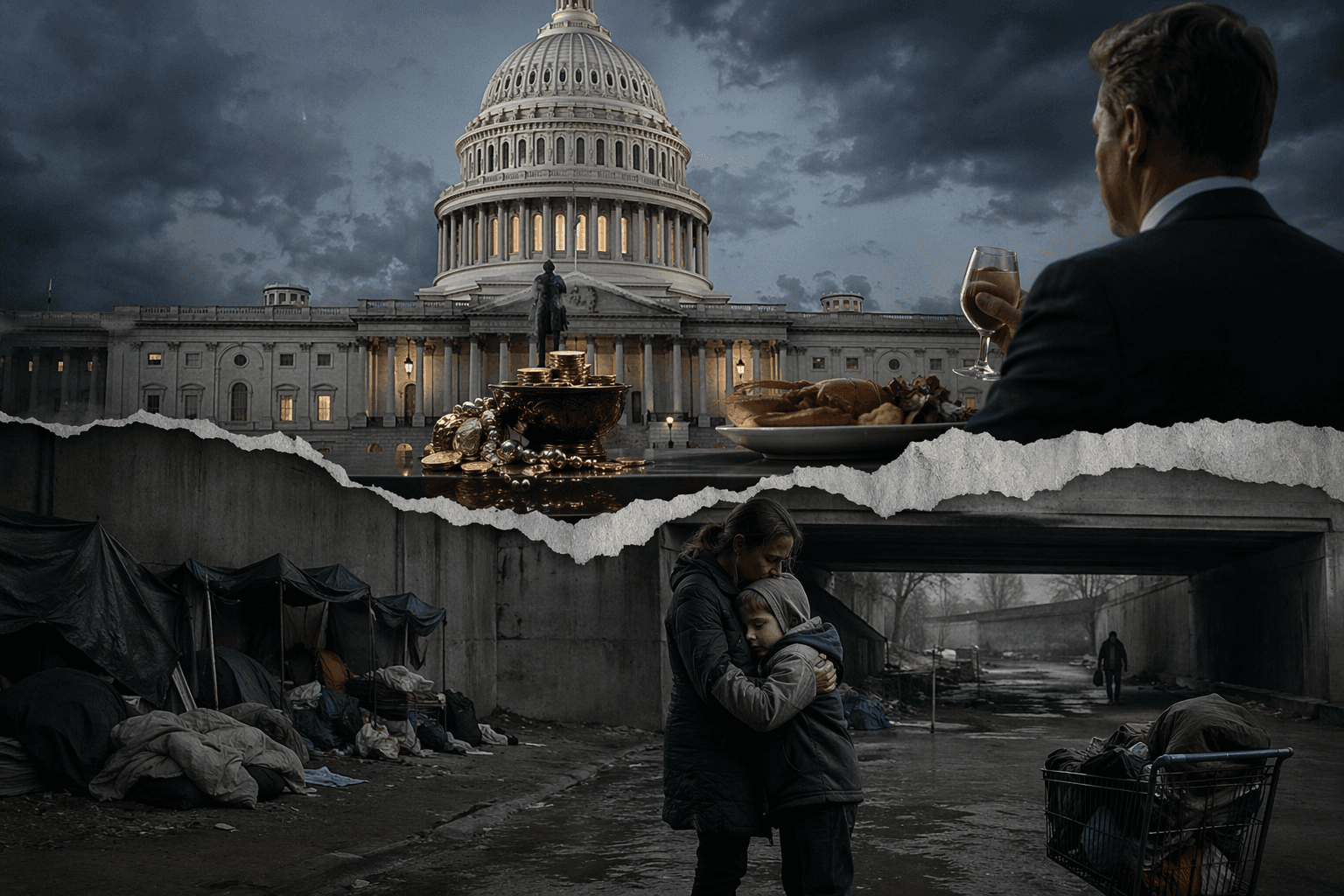
The Tax Policy Center estimates the average 2026 tax cut at about $2,900, with the biggest beneficiaries in households earning $460,000 to $1.1 million.
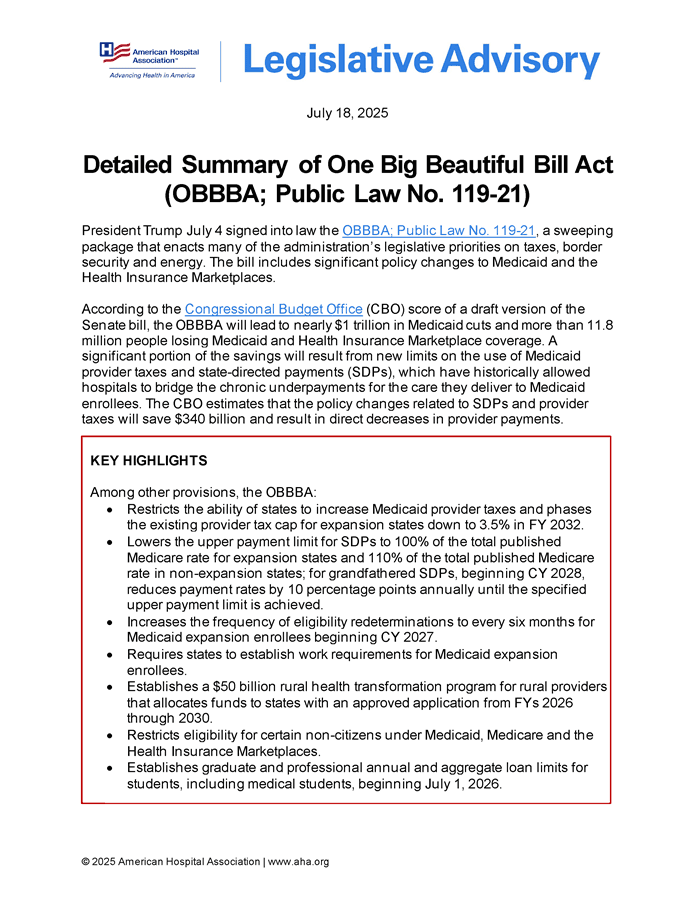
President Donald Trump signed the One Big Beautiful Bill Act on July 4, 2025, as Public Law 119-21, after U.S. Congress passed H.R. 1 and made many 2017 tax cuts permanent. The law also reordered federal spending priorities, shifting resources away from health care and food aid even as it extended tax relief.
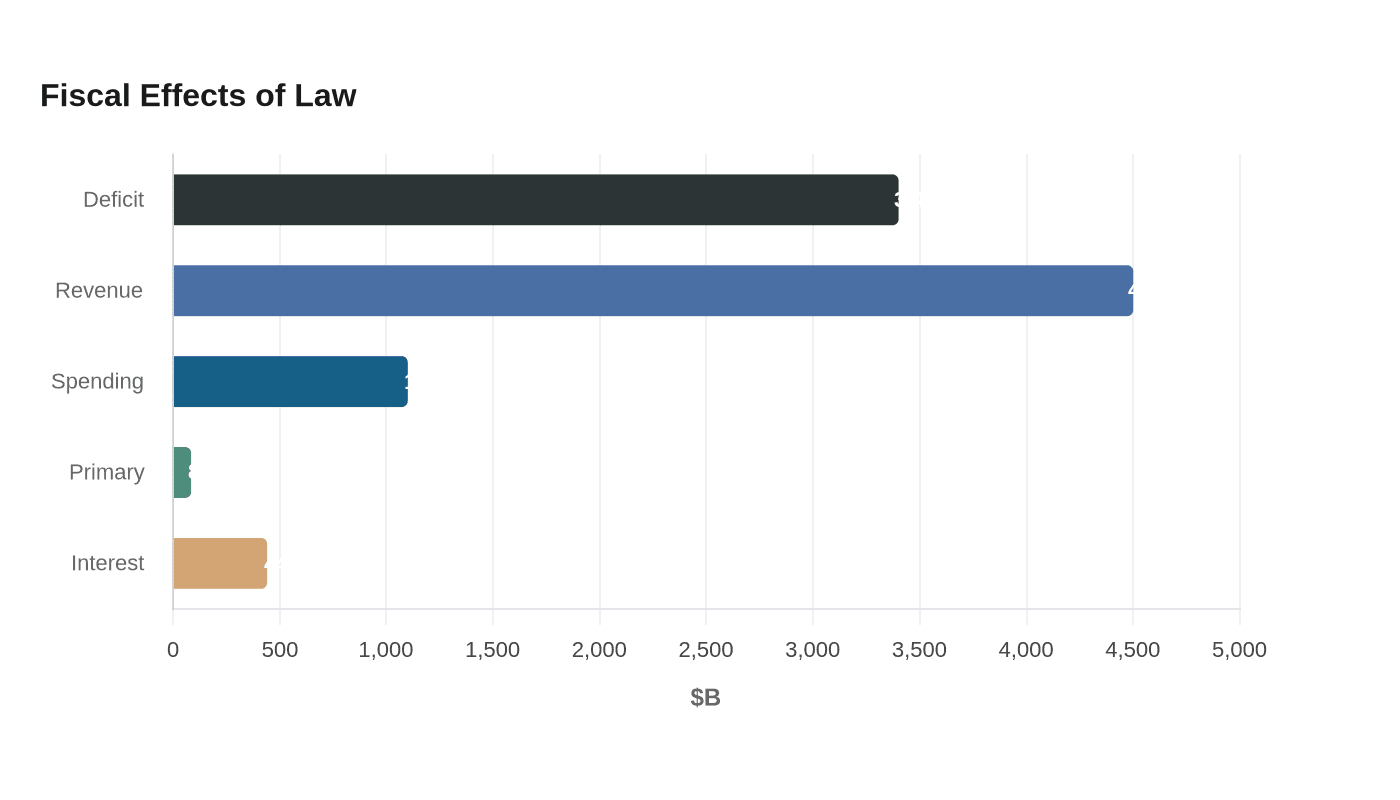
The Congressional Budget Office estimates that the enacted law will increase the unified budget deficit by $3.4 trillion over 2025-2034, compared with its January 2025 baseline. That reflects a $4.5 trillion drop in revenues and a $1.1 trillion drop in direct spending. In a dynamic estimate with the Joint Committee on Taxation, the law’s economic effects would trim the primary deficit by $85 billion, but higher interest rates would add $441 billion in interest costs.
Average resources rise over 2026-2034, but households toward the bottom of the income distribution generally see lower resources, while middle- and higher-income households see gains. For families relying on Medicaid and SNAP, state responses to the law’s changes push more of the burden onto state budgets.
Some tax provisions are already in effect, while other spending cuts and program changes phase in later. Refunds and take-home pay rose sooner for many filers, while the costs are still working through federal deficits, higher interest payments, and state decisions in 2026 over how to absorb Medicaid and SNAP expenses and whether to conform to the new tax rules.
This article was produced by Prism’s automated news system from verified source data, official records, and press releases, then run through automated quality and moderation checks before publishing. The system is built and supervised by the people who set the standards it runs under. Read our full AI policy.
Did this article answer your question?