Trump Tells Allies to Get Their Own Oil Amid Iran Crisis
Trump told U.S. allies to "go get your own oil" as Strait of Hormuz disruptions pushed American gasoline prices above $4 a gallon.
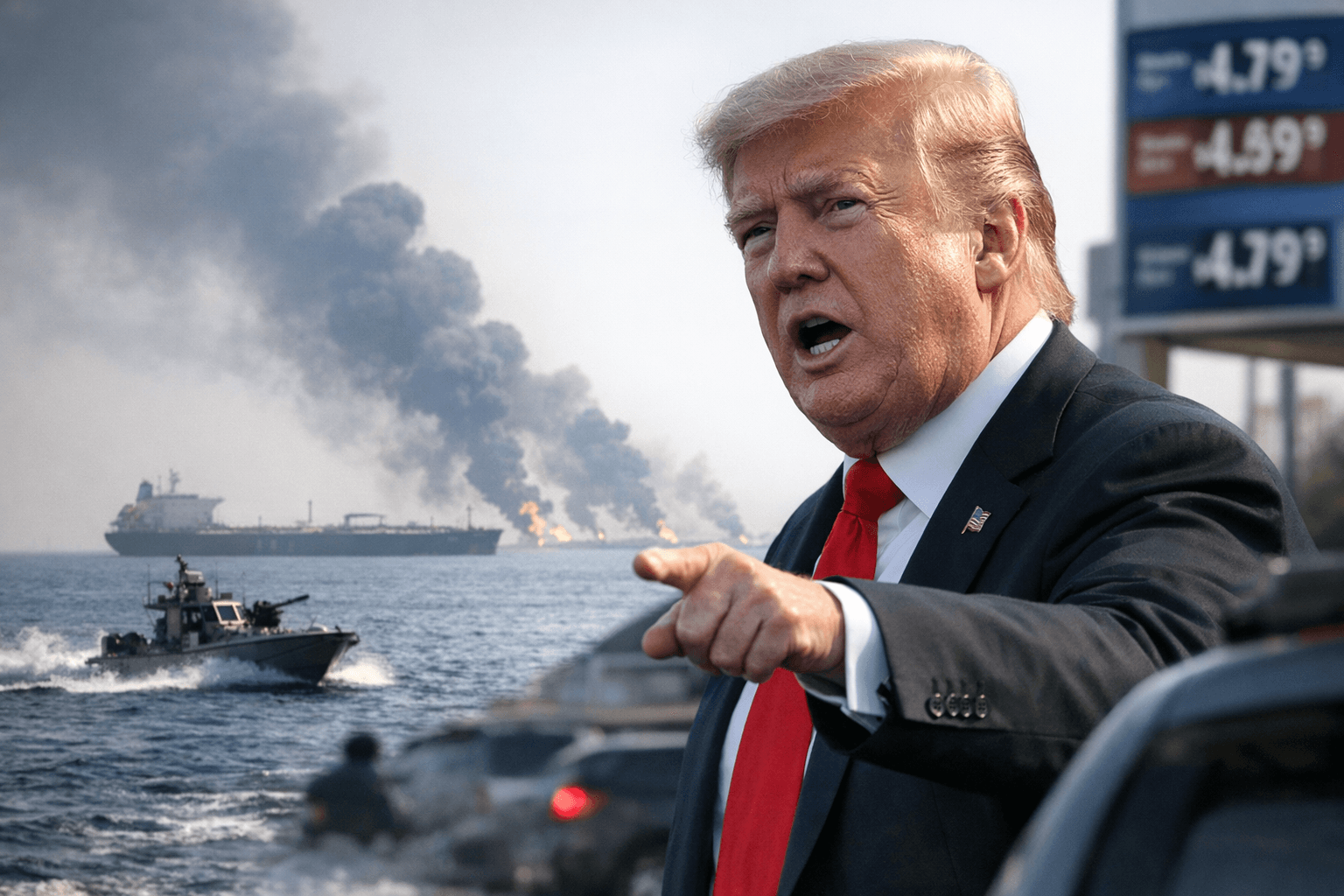
With gasoline crossing $4 a gallon across large swaths of the United States, President Donald Trump turned his frustration outward, publicly rebuking allied nations over their response to the Iran crisis and telling them to "go get your own oil."
The remarks, delivered as the conflict with Iran and cascading disruptions in the Strait of Hormuz rattled global energy markets, marked one of Trump's sharpest public breaks with coalition partners since the crisis escalated. The White House was simultaneously weighing strategic and logistical options for securing fuel supplies while navigating a fractious international response to the confrontation.
The Strait of Hormuz, the narrow chokepoint through which a substantial share of the world's seaborne oil transits, became the flashpoint for the price surge. Targeted strikes, naval incidents and the temporary closure or disruption of shipping lanes sent traders repricing risk in real time, lifting crude benchmarks and pushing costs higher at every downstream link in the supply chain. For American drivers, the effect was concrete: pump prices climbed above $4 per gallon in many markets, a threshold that historically generates political heat on the incumbent administration.
Trump's rebuke landed at a particularly delicate moment in coalition diplomacy. While some allies have coordinated sanctions enforcement and maritime escorts, others have been cautious about direct military involvement, creating visible fractures in the allied front. Administration officials pressed partners both publicly and privately to help mitigate supply shortfalls, accelerate procurement of jet fuel and avoid any moves that could further constrain flows through critical shipping corridors.
Energy analysts warned that sustained disruptions to Hormuz traffic could compound inflationary pressures well beyond the pump. The administration was also pursuing diplomacy to secure alternative supply lines and urging energy companies to boost production where possible, though those efforts move on a longer timeline than the political calendar demands.
The strategic risk in Trump's public posture is real. Allies who feel browbeaten may be less forthcoming with the operational and logistical cooperation Washington needs to sustain pressure on Tehran, while adversaries could exploit visible rifts to weaken any coordinated sanctions regime. What the president framed as a demand for burden-sharing could, if it frays coalition ties, end up deepening the very supply vulnerability it was meant to address.
Sources:
Know something we missed? Have a correction or additional information?
Submit a Tip