Trump threatens Iran as U.S. talks in Switzerland seek Lebanon truce
Trump threatened renewed bombing even as U.S. negotiators in Switzerland raced to keep Lebanon from sliding into a wider war. The talks produced a de-confliction line and a fragile roadmap.
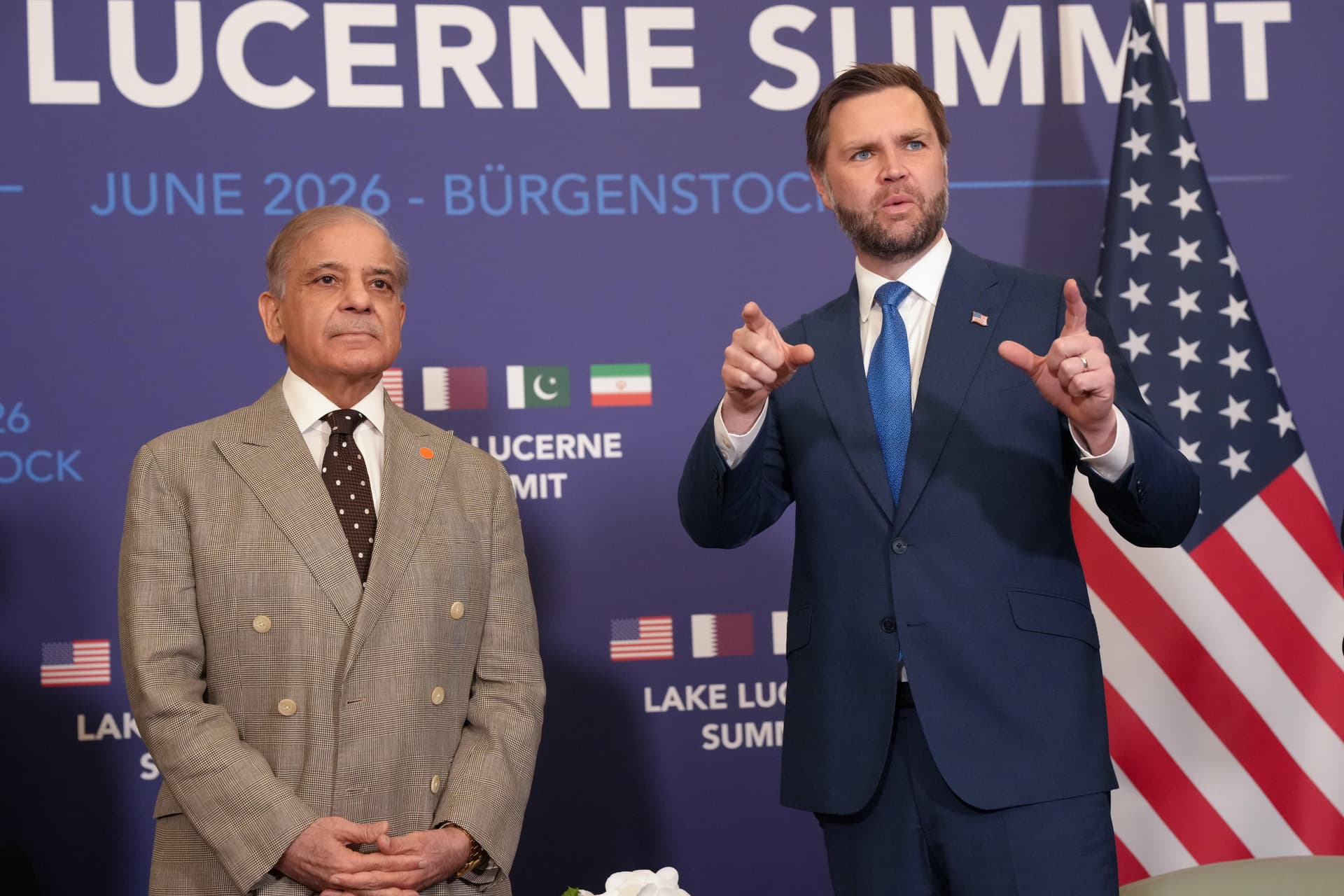
The U.S. effort in Switzerland exposed a central contradiction in Washington’s Iran policy: Donald J. Trump was publicly threatening renewed bombing even as his negotiators were trying to cool the Lebanon front and keep a broader regional war from breaking out. The talks, held with Iranian officials in Switzerland, were described as part of a 60-day sprint toward a permanent end to the conflict and a deal on Iran’s nuclear program.
Vice President JD Vance was among the U.S. officials present, and the White House later listed him delivering remarks in Lucerne on June 22. CBS News reported that an emergency session on fighting in Lebanon was added to the agenda after more than a dozen people were killed in overnight Israeli strikes. The sides then agreed to create a de-confliction cell and a communication line aimed at Lebanon and the Strait of Hormuz, a sign that the diplomacy was trying to manage battlefield risk as much as nuclear risk.
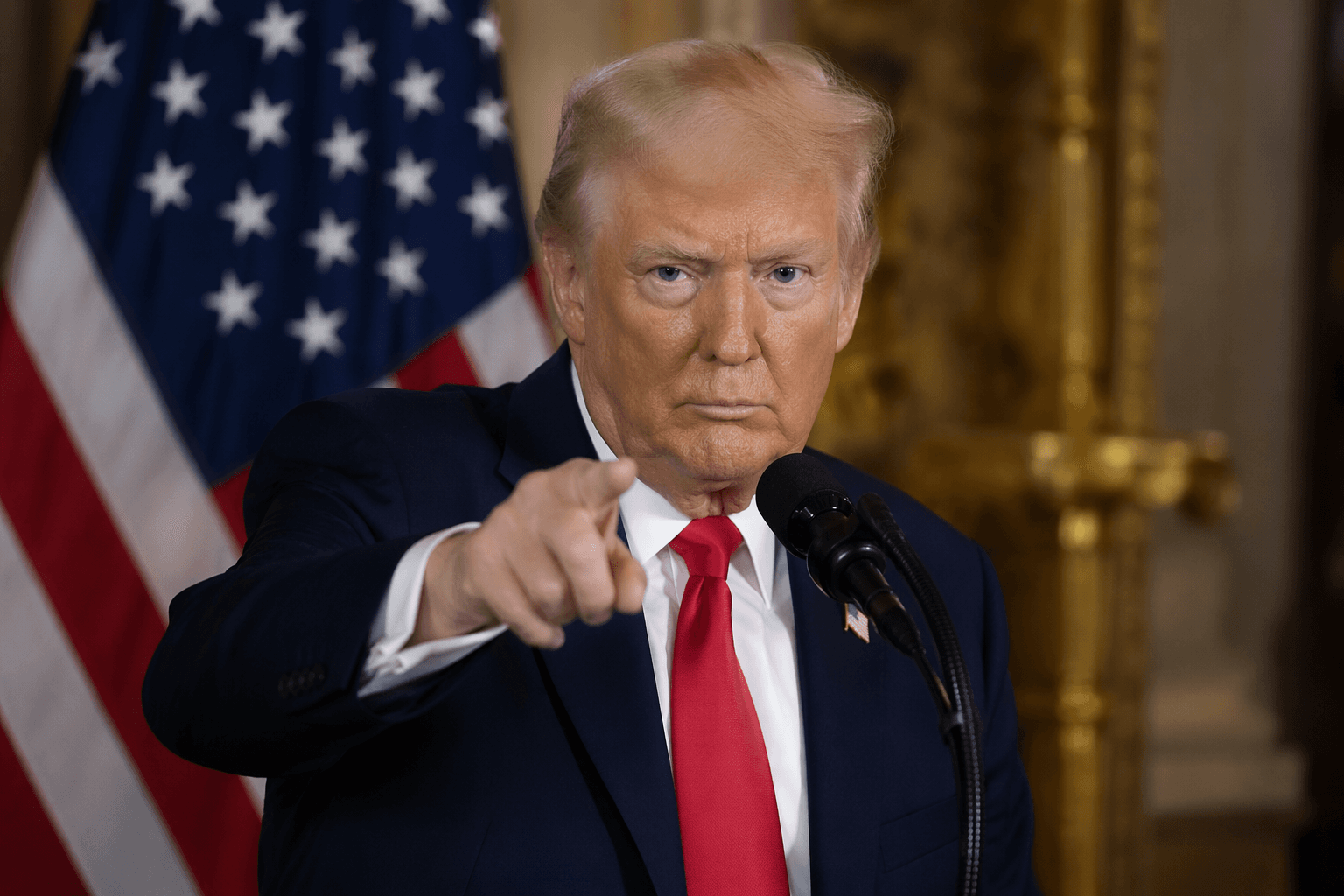
Trump sharpened the pressure from afar. CNBC reported on June 17 that he said the U.S. could “go right back to dropping bombs” if he did not like the Iran deal. Three days later, the White House said Trump and Vance had signed a Memorandum of Understanding with Iran that, in its telling, ensured Iran would never obtain a nuclear weapon and reopened the Strait of Hormuz to free navigation. The White House also publicized support from Republican senators including John Barrasso, Jim Banks, Marsha Blackburn, Katie Britt, Deb Fischer, Lindsey Graham and Bill Hagerty.
The diplomatic backdrop stretched beyond Switzerland. The U.S. Department of State said on June 3 that Washington had convened the fourth high-level trilateral meeting between Israeli and Lebanese representatives on June 2 and 3, and that Israel and Lebanon agreed to implement a ceasefire contingent on a complete cessation of Hizbollah fire and the evacuation of Hizbollah operatives from the South Litani Sector. That earlier track made Lebanon one of the clearest tests of whether the U.S. was pursuing coercion, de-escalation or both.
That split-screen strategy may be intentional. Pressure on Tehran can strengthen the bargain Washington wants on nuclear limits and maritime security, but it also raises the risk of a collapse in talks if Iranian leaders see threats as a demand for surrender. With Qatar and Pakistan describing progress while Iranian state media said negotiations paused after an insulting message from Trump, the outcome now hinges on whether the U.S. can keep force and diplomacy aligned long enough to prevent Lebanon from igniting something larger.
This article was produced by Prism’s automated news system from verified source data, official records, and press releases, then run through automated quality and moderation checks before publishing. The system is built and supervised by the people who set the standards it runs under. Read our full AI policy.
Know something we missed? Have a correction or additional information?
Submit a Tip