Trump Threatens Iran to Keep Strait of Hormuz Open
Trump threatened to bomb Iranian power plants and bridges by Tuesday in an expletive Truth Social post, as his 10-day Hormuz deadline expires Monday and Brent crude sits at $126 a barrel.
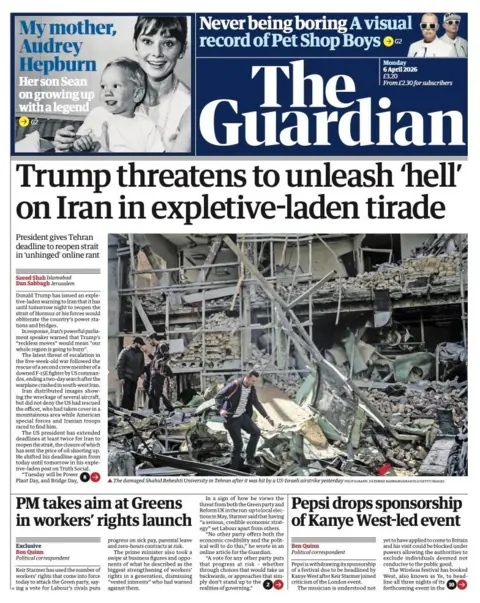
With a self-imposed Monday deadline hours away, President Trump escalated his confrontation with Iran on Sunday in an expletive-laden Truth Social post that threatened strikes on civilian infrastructure and sent energy markets deeper into crisis territory.
"Tuesday will be Power Plant Day, and Bridge Day, all wrapped up in one, in Iran," Trump wrote, urging Tehran to "open the F in' Strait, you crazy bastards, or you'll be living in Hell." The post, which closed with the phrase "Praise be to Allah," marked Trump's second major escalation in as many days. On Saturday he had warned that "hell will reign down" on Iran within 48 hours if the Strait of Hormuz remained closed.
The threats carried immediate weight because the strait is no abstraction: the 21-mile-wide waterway between Iran and Oman once channeled roughly 20 percent of global oil supplies. Since joint U.S.-Israeli strikes on Iran triggered the conflict on February 28, tanker traffic collapsed, dropping first by approximately 70 percent before grinding to near zero. Brent crude surpassed $100 per barrel on March 8 and peaked at $126 per barrel, a level analysts described as the largest energy supply shock since the 1970s oil crisis. With Trump's Tuesday strike threat now on record, insurance underwriters and tanker operators had little incentive to re-enter the waterway before the diplomatic picture clarified.
The rhetorical escalation came after ten days of indirect negotiations conducted through Pakistan, Egypt, and Turkey produced no significant progress. Trump had set that diplomatic countdown on March 26. Iran's conditions, according to officials tracking the talks, reportedly included reparations and formal recognition of its control over Hormuz. Tehran rejected the framing of those talks publicly while accusing Trump of planning to commit war crimes. That accusation gained legal weight Thursday when more than 100 law experts signed an open letter warning that strikes on objects "indispensable to the survival of civilians," including power plants, are prohibited under international humanitarian law and could constitute war crimes.
Agnes Callamard, secretary general of Amnesty International, called Trump's Sunday post "revolting," warning that destroying power infrastructure would eliminate heat, electricity, water, and freedom of movement for Iranian civilians. Iran, for its part, threatened retaliatory strikes on infrastructure in Israel and Gulf states.
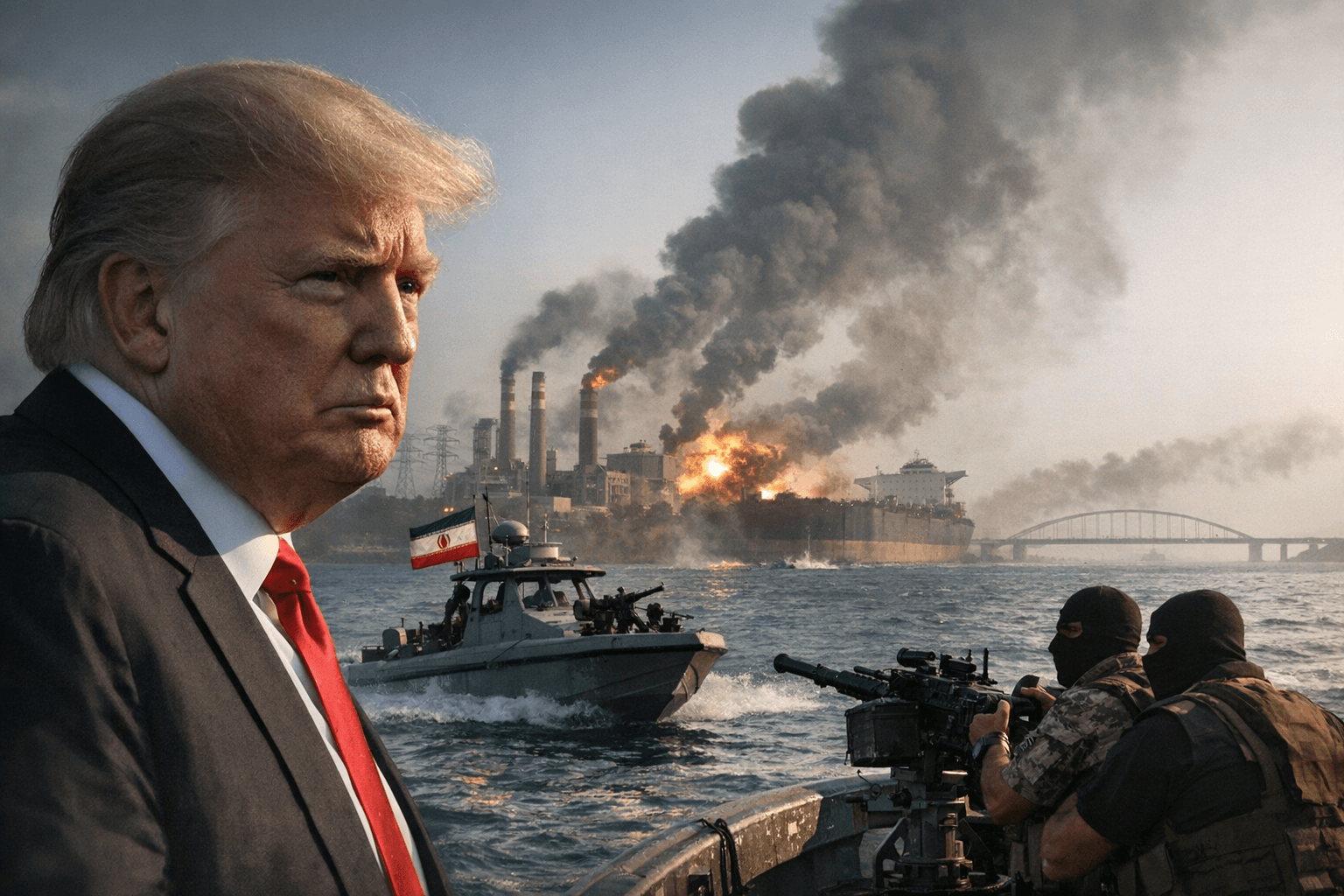
The United States military had not been passive. On March 19, U.S. forces launched a campaign to reopen the strait by force. Israel killed Iran's top naval commander, Alireza Tangsiri, citing his direct responsibility for the closure. By March 12, Iran's IRGC had carried out 21 confirmed attacks on merchant vessels, and an IRGC commander warned that Iran would "set fire" to any ship attempting transit.
Allies had grown increasingly restive over the strategic gap between Trump's ultimatums and the military planning behind them. The United Kingdom convened 41 countries Thursday to coordinate a path to reopening the strait, placing blame squarely on Tehran for holding the international economy "hostage." At the same time, British and allied officials expressed frustration that U.S.-Israeli operations began without coordination on how to keep the waterway functional. The U.K. permitted U.S. forces to use Diego Garcia for operations targeting Iranian missile sites attacking shipping.
Monday's deadline expiration will test whether Trump's Tuesday threat is operational or rhetorical. The answer, military planners and energy traders alike recognized, may not come with much advance notice.
Sources:
Know something we missed? Have a correction or additional information?
Submit a Tip