Trump Threatens Lawsuit Over Fed Renovations, May Replace Powell
President Donald Trump publicly accused Federal Reserve Chair Jerome Powell of "grossly incompetent" management of a renovation project, saying he "would love to fire" him and that he is "considering" suing over cost overruns. The confrontation, staged at Mar a Lago as Mr. Trump said he will name a preferred successor in January, raises questions about central bank independence and the legal hurdles to removing a Fed chair.
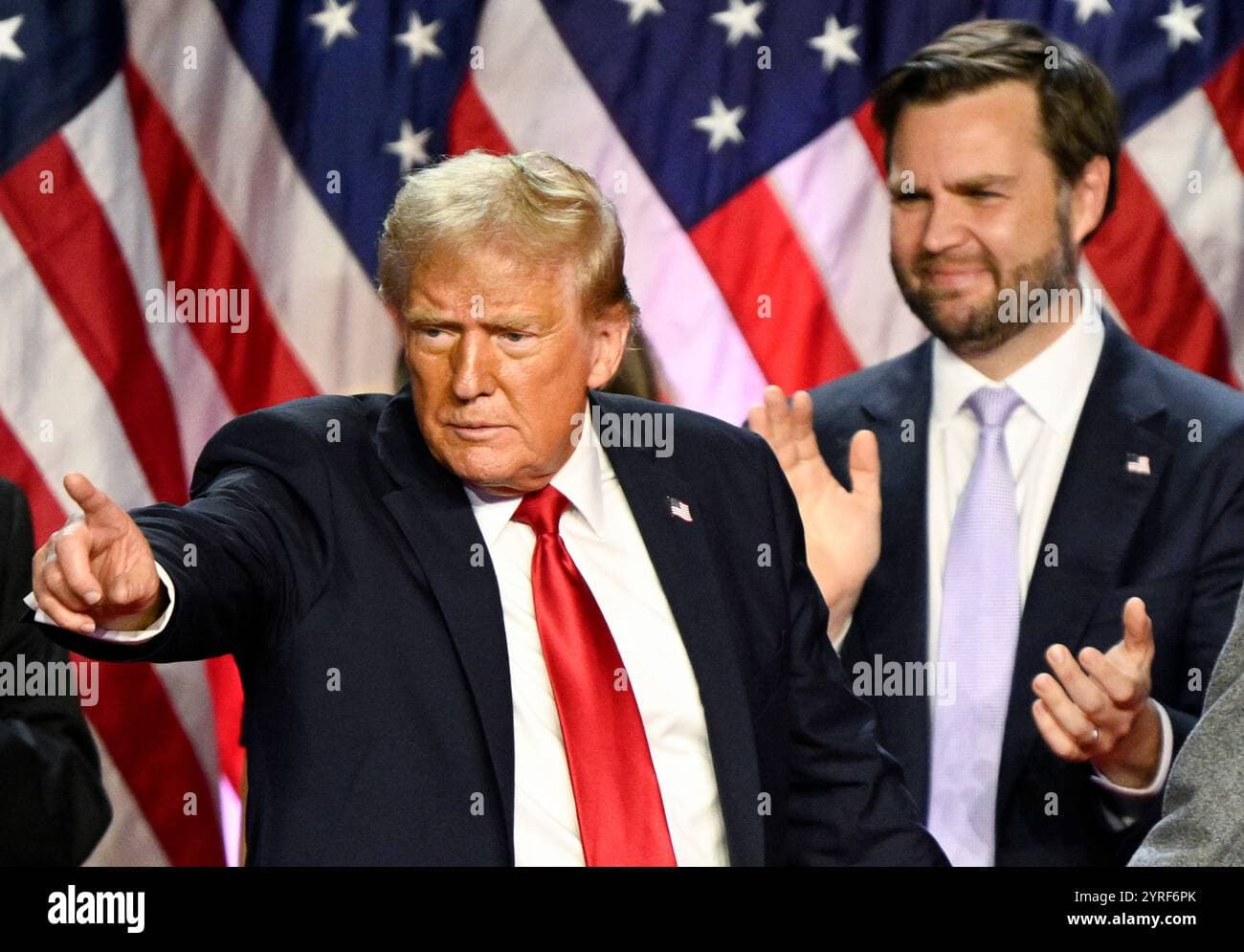
President Donald Trump returned to a long running confrontation with Federal Reserve Chair Jerome Powell on December 29, leveling sharp public attacks over the cost and management of renovations at the Federal Reserve Board headquarters in Washington. Speaking to reporters at Mar a Lago, Mr. Trump called Powell "grossly incompetent," said he "would love to fire" him and indicated he was "considering" suing the chair over the project.
Mr. Trump tied his criticism to figures he offered at the event, saying the renovation cost had risen to "north of $4 billion," roughly $1.5 billion more than initially projected. Those totals were presented by Mr. Trump as his assessment and have not been independently verified by federal authorities. The president also said he planned to announce his choice for the next Federal Reserve chair sometime in January, a timeline that signals an early move to shape monetary policy leadership ahead of the new year.
The remarks underscored both a personal rupture and a political clash. Mr. Powell, a Trump appointee who was later reappointed by President Joe Biden, has been a frequent target of Mr. Trump since his nomination. Media accounts differ on the precise year Mr. Powell was first tapped by Mr. Trump, reflecting some public confusion over the timeline, but the central fact remains that Powell was elevated during the prior administration and kept in place by the current one.
The president made his comments in public while hosting foreign dignitaries, a setting that amplified the domestic and international implications of his attack. The spectacle drew attention to the Federal Reserve as an institution that markets and foreign governments rely on for stable, predictable monetary policy. Any suggestion of political interference raises immediate questions for global investors and central bank counterparts about the durability of central bank independence in the United States.
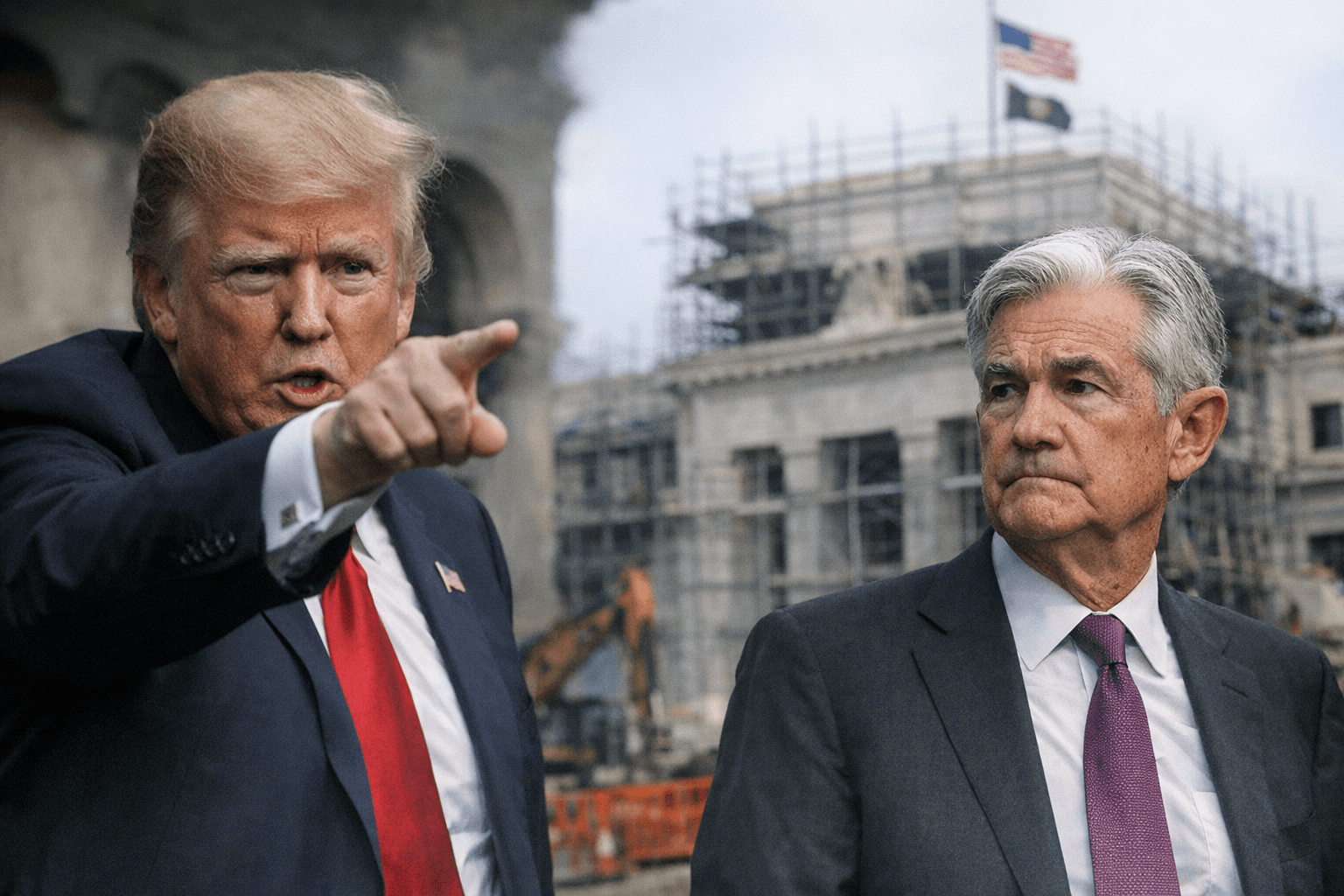
Removing a sitting Federal Reserve chair would be legally and politically fraught. The Federal Reserve operates under statutory protections designed to insulate monetary policy decisions from short term political pressures, and efforts to force a change would likely invite litigation and a protracted political battle. Administration officials have not laid out a clear legal pathway for an early removal, and Mr. Trump’s public threats leave open whether his remarks were aimed at the end of a term or at precipitating an earlier departure.
Financial markets and allied central banks often read public disputes between political leaders and central bankers as signals of potential instability. Even talk of litigation against a central bank chief could prompt immediate questions about policy continuity, the credibility of U.S. institutions and the United States role as an anchor of the global financial system.
The Federal Reserve did not offer an immediate response during the news conference. Journalists at the event captured Mr. Trump using notably blunt language, including calling Powell an "absolute fool" in a brief denunciation. The president’s promise to name a successor in January will be watched closely by lawmakers, investors and international partners who value established norms around central bank governance and the separation of monetary policy from daily politics.
This article was produced by Prism’s automated news system from verified source data, official records, and press releases, then run through automated quality and moderation checks before publishing. The system is built and supervised by the people who set the standards it runs under. Read our full AI policy.
Did this article answer your question?

