Trump Threatens NATO Exit Over Allies' Refusal to Back Iran War
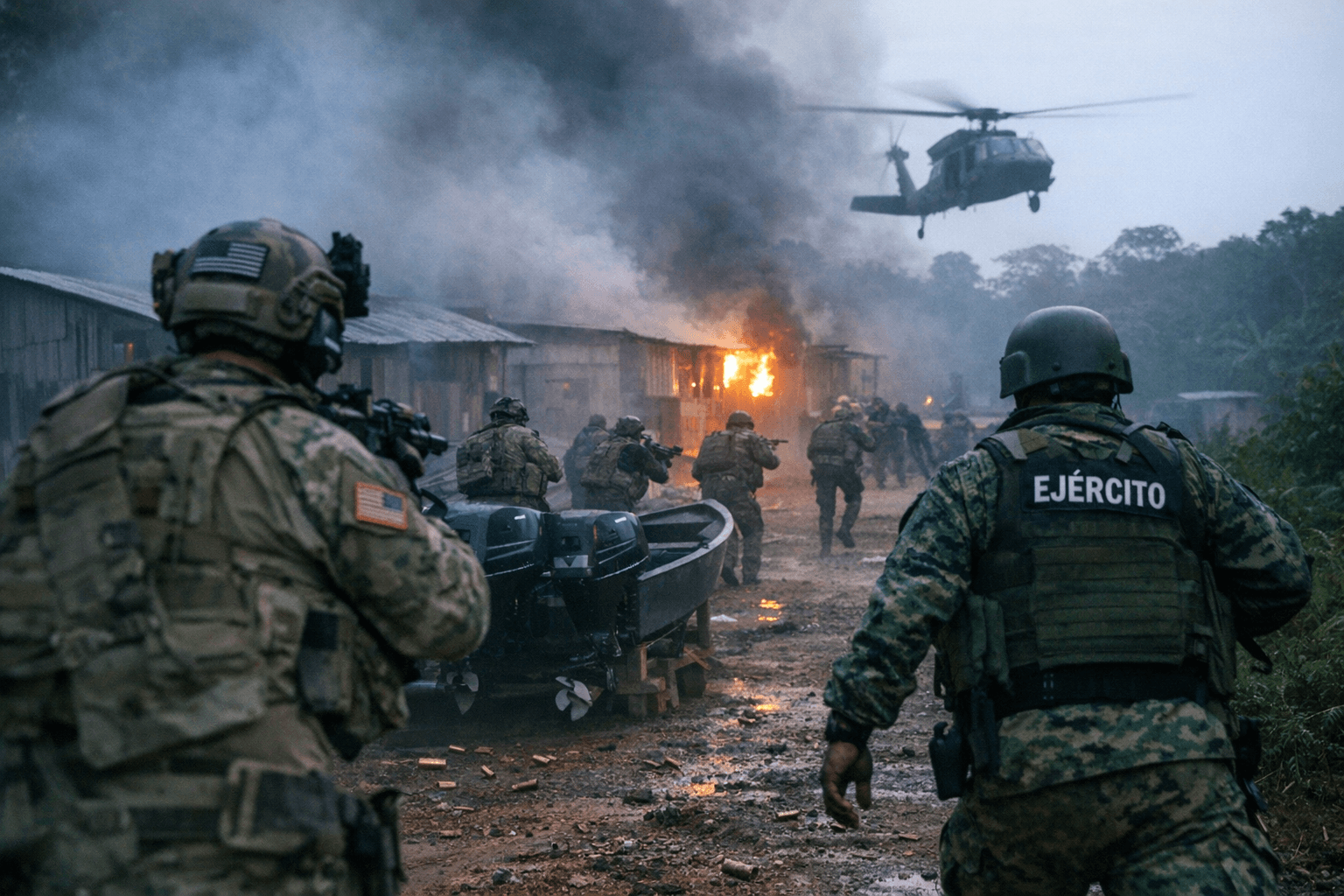
Trump said the U.S. would leave NATO after allies refused to join his Iran war, predicting the conflict would end in two to three weeks.

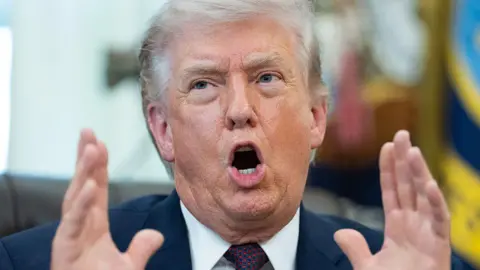
President Donald Trump escalated his confrontation with European allies on Wednesday, telling Britain's The Telegraph that withdrawing the United States from NATO was "beyond reconsideration" after alliance members declined to support the U.S. military campaign against Iran. Trump called the alliance a "paper tiger" and noted that Russian President Vladimir Putin shared his view.
Trump predicted the war would be "finished" within two to three weeks and told reporters in the Oval Office that what happens in the Strait of Hormuz would be nothing to do with the United States. Speaking about European nations dependent on Persian Gulf oil and gas, Trump said other countries would "be able to fend for themselves."
The threat came as allied resistance to the four-week-old conflict hardened across the continent. Spain said it would not allow the U.S. to use jointly operated military bases in the war, which Spanish Prime Minister Pedro Sanchez called "unjustifiable" and "dangerous," prompting Trump to threaten cutting trade with Madrid. Italy's government denied U.S. bombers the use of a military base in Sicily, though the Italian government moved quickly to clarify there were no tensions with Washington and that each U.S. request would be considered on a case-by-case basis.
Warning bells reverberated throughout Europe when Secretary of State Marco Rubio, one of the most pro-NATO members of Trump's inner circle, called U.S. allies' response to the war "very disappointing" and hinted Trump would "reexamine" U.S. commitments to them when the conflict ends.
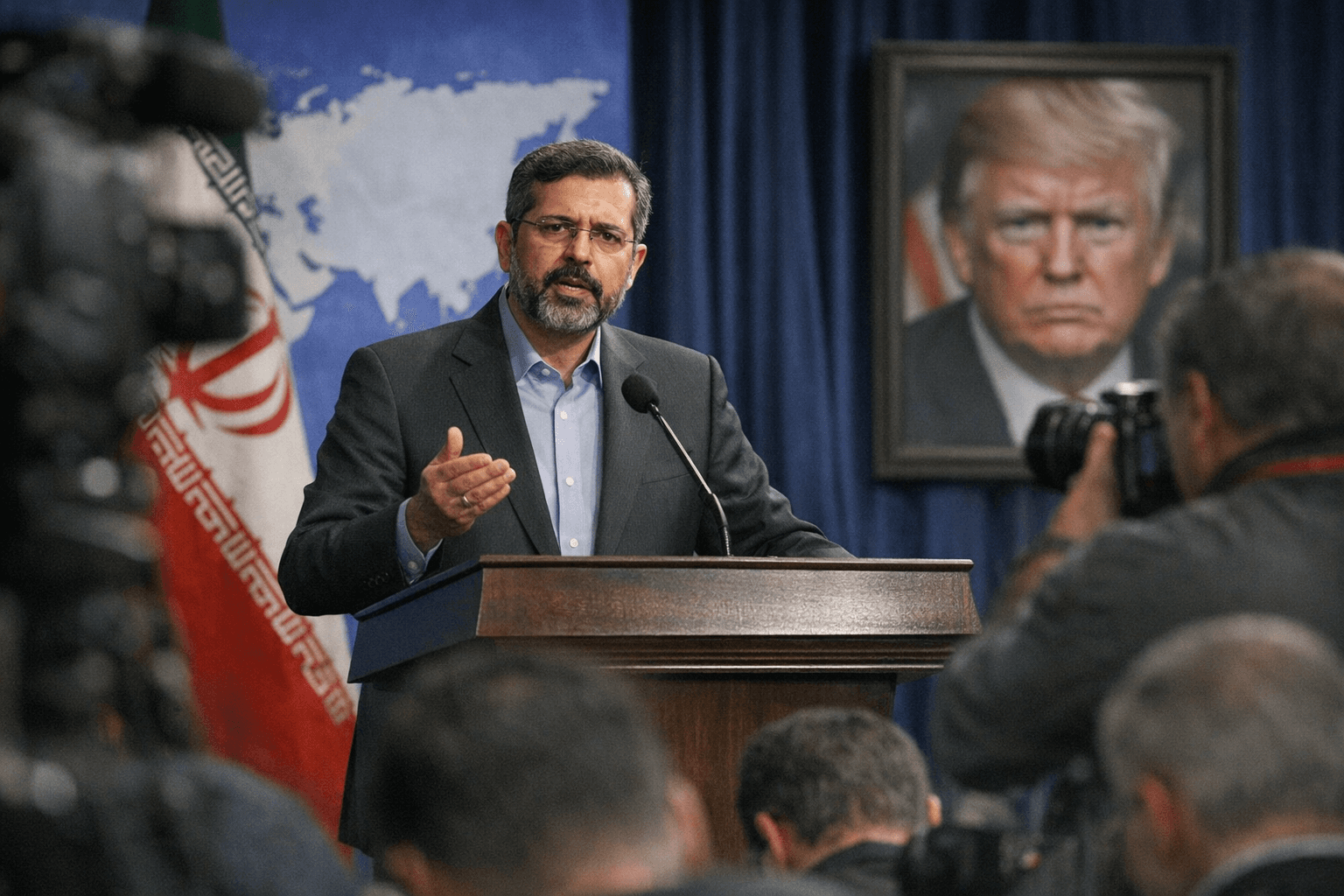
The comments followed European nations' reported rejection of Trump's request that allies send warships to reopen the Strait of Hormuz, through which roughly 20 percent of the world's oil supply travels. Iran's Islamic Revolutionary Guard Corps said the strait was "fully" under its control. Trump posted on Truth Social that he would only consider Iran's reported ceasefire request "when Hormuz Strait is open, free, and clear."
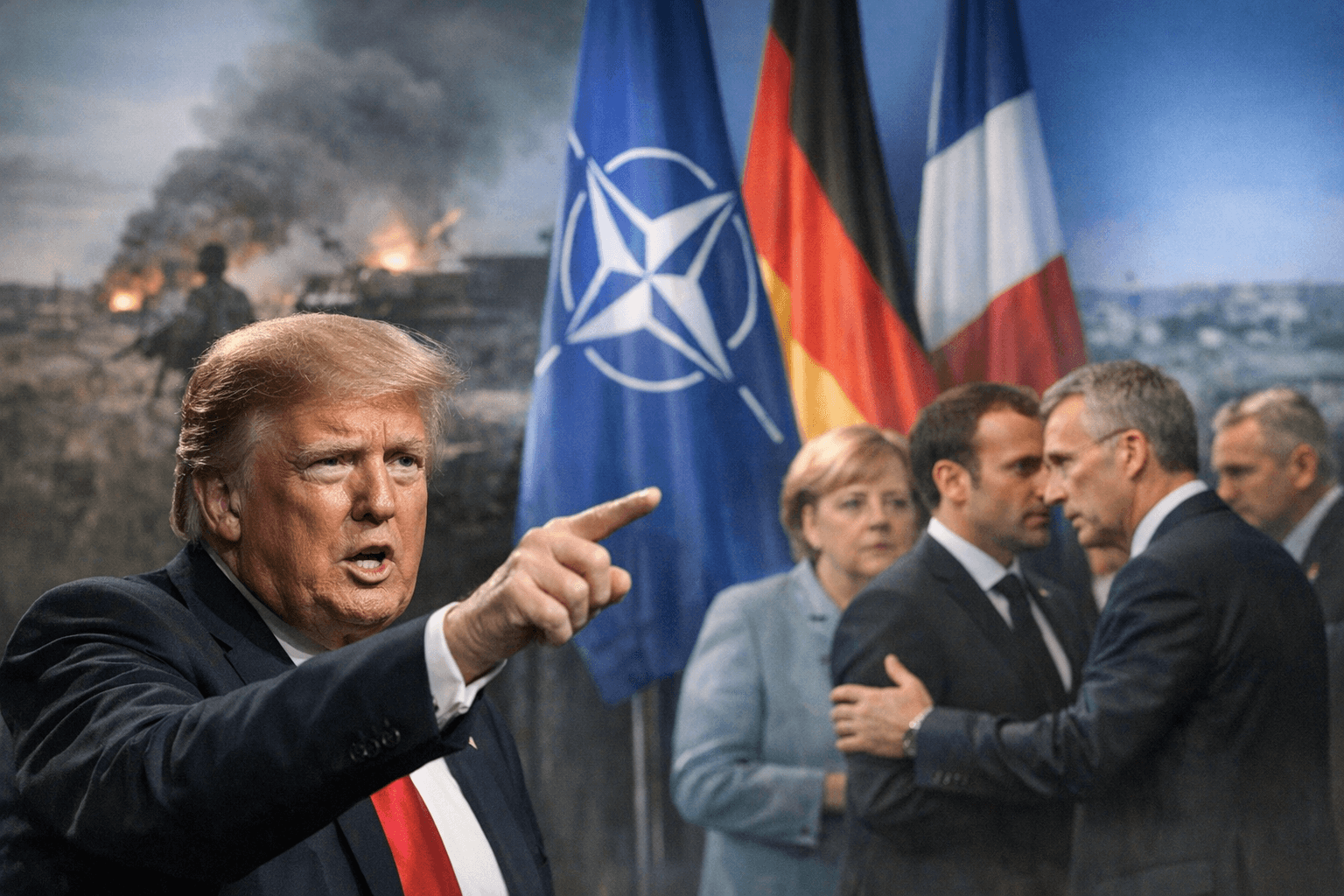
British Prime Minister Keir Starmer, responding to Trump's remarks, said the U.K. would act in its own interest whatever the "noise" and argued the instability caused by the Iran war meant Britain should pivot toward closer economic and defense ties with Europe. Starmer also announced that 35 countries had signed a statement committing to work together on restoring maritime security in the Strait, with British Foreign Secretary Yvette Cooper set to lead a conference on the issue.
The Iran war has deepened tensions between the U.S. and Europe that have mounted since the start of Trump's second term over issues ranging from trade to his demands for ownership of Greenland, an autonomous territory of NATO ally Denmark. European officials are also watching Trump's parallel efforts to broker an end to the war between Russia and Ukraine, with some concerned the emerging framework favors Moscow.
Trump has scheduled an address to the nation for Wednesday evening, a signal that a formal statement on the conflict's trajectory may be imminent.
Sources:
Know something we missed? Have a correction or additional information?
Submit a Tip