Trump Threatens NATO Withdrawal After Allies Refuse to Join Iran Campaign
Trump called NATO a "paper tiger" and said he's "absolutely" considering withdrawing after allies refused to join military operations to reopen the Strait of Hormuz.
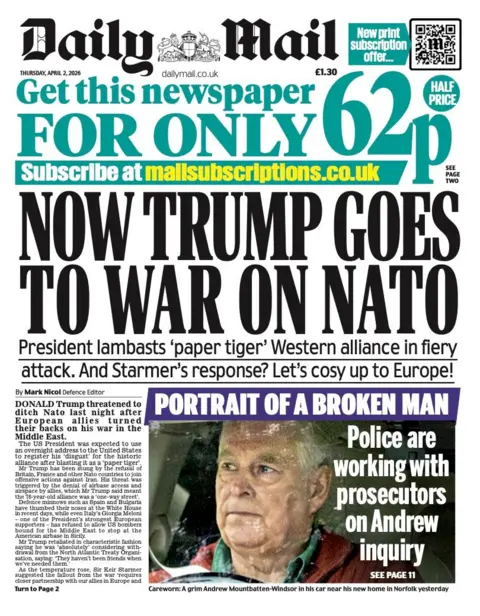
Donald Trump declared NATO a "paper tiger" in a primetime national address Wednesday night, threatening to pull the United States from the 77-year-old alliance after European partners refused to commit military assets to reopen the Strait of Hormuz, the critical oil shipping lane effectively closed by Iran following US and Israeli military strikes.
Trump had signaled his frustration weeks earlier. In mid-March 2026, he warned allies of a "very bad" future if they refused to help secure the strait, publicly demanding they "build up some delayed courage, go to the Strait, and just TAKE IT." When they declined, he called them "cowards." In a subsequent Reuters interview, Trump confirmed he was "absolutely" considering withdrawing from NATO, adding that he had "always known" the alliance was weak and that Vladimir Putin understood its limitations equally well.
The sharpest personal rebuke was directed at UK Prime Minister Keir Starmer, who refused to allow British military bases to be used in offensive operations against Iran, a decision Starmer's government said it had judged illegal under international law. Starmer did commit British forces to defensive operations after UK assets in the Middle East came under attack, but Trump was dismissive. He mocked the UK's military capability, saying "you don't even have a navy" and claiming British aircraft carriers "didn't work."
Whether Trump could legally execute a withdrawal is far from settled. A 2023 bipartisan law, originally sponsored by then-Senator Marco Rubio and later signed by President Biden, requires either a two-thirds Senate majority or an act of Congress before the US can exit NATO, and blocks funding for any withdrawal attempt made without that approval. Trump has publicly stated he does not believe congressional sign-off would be necessary. The Congressional Budget Office noted in February 2026 that the question of presidential authority to withdraw from treaties without Congress implicates "a long-standing and still-unresolved debate over the Constitution's allocation of the power to withdraw from treaties."
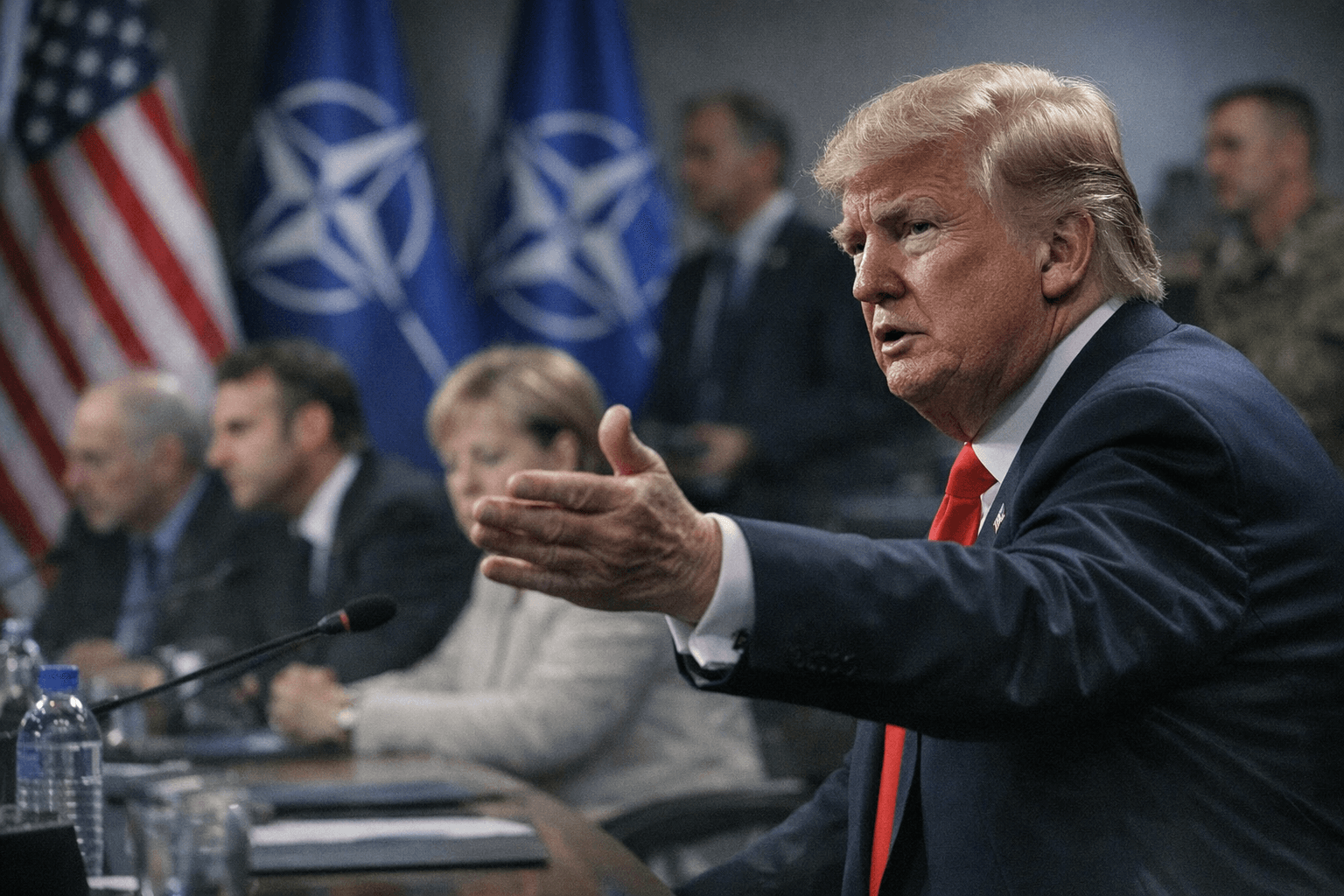
Pushback within Trump's own party was swift. Republican Senator Thom Tillis defended the alliance, urging the president to consult his top generals and warning that "American lives have been saved by the NATO alliance, and American lives will be lost in great numbers without it." Senate Minority Leader Chuck Schumer declared the Senate "will not vote to leave NATO and abandon our allies just because Trump is upset they wouldn't go along with his reckless war of choice."
Trump also signaled a structural overhaul of the alliance, floating a "pay-to-play" model under which members who failed to meet defence spending requirements would lose their vote in alliance decision-making. NATO, founded in 1949, currently counts 32 member states and anchors the post-World War II security architecture through its Article 5 collective defence clause, which commits all members to treat an attack on one as an attack on all. Article 5 was first invoked following the September 11, 2001 attacks.
Legal challenges, a hostile Senate, and a bipartisan statutory barrier stand between Trump and an exit. But the public threat alone marks a rupture in transatlantic relations without precedent in the alliance's history, and it arrives while the US remains actively engaged in military operations in the Middle East.
This article was produced by Prism’s automated news system from verified source data, official records, and press releases, then run through automated quality and moderation checks before publishing. The system is built and supervised by the people who set the standards it runs under. Read our full AI policy.
Did this article answer your question?


