Trump Threatens Troop Cuts in Germany After Merz Iran Rebuke
Trump threatened to review U.S. troop levels in Germany after Merz said Iran was humiliating Washington, widening the fight into a NATO basing issue.
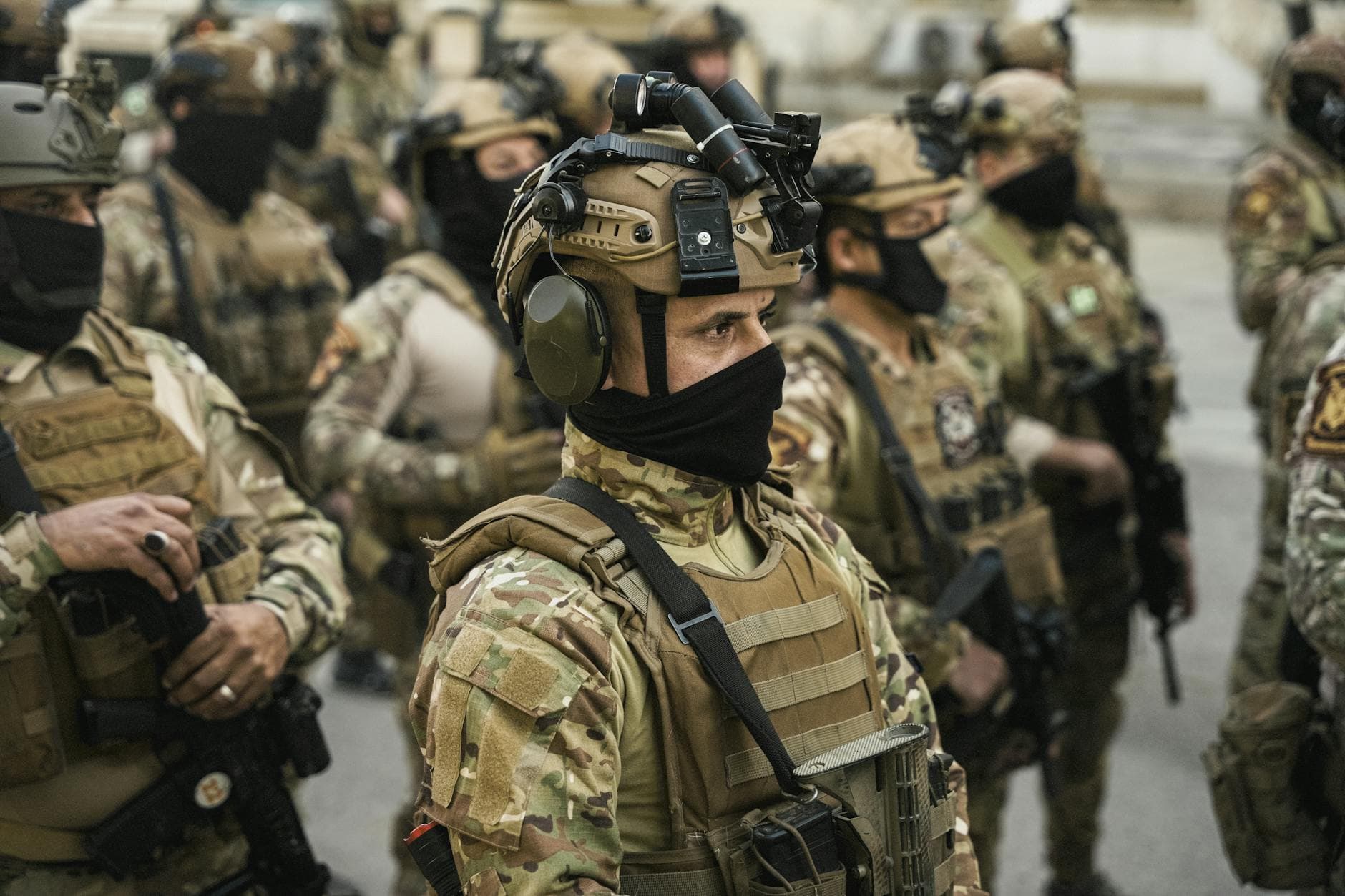
Trump escalated a clash with Friedrich Merz by threatening to review U.S. troop levels in Germany, turning a fight over Iran into a question of NATO posture, command-and-control and the American military footprint in Europe.
Merz said on April 27 that Iran’s leadership was humiliating the United States and that he saw no clear U.S. exit strategy in the war. Trump answered on April 28 on Truth Social that Merz “doesn’t know what he’s talking about,” then sharpened the dispute on April 29 by saying the administration was “studying and reviewing” a possible reduction of U.S. troops in Germany and would decide in the “next short period of time.”
The threat matters because Germany is not just another host nation. It has the largest U.S. military presence in Europe, with reporting in 2025 and 2026 estimating roughly 34,500 to 36,436 active-duty American personnel there. That force is anchored by Ramstein Air Base, a central hub for U.S. and NATO operations, and by major command facilities in Stuttgart and Wiesbaden.
Ramstein houses U.S. Air Forces in Europe - Air Forces Africa and NATO Allied Air Command, making it a critical node for air operations, logistics and rapid coordination across the continent. U.S. Army Europe and Africa is headquartered in Wiesbaden, giving Germany a role in ground-force planning and the wider transatlantic support network. Any meaningful reduction would therefore reach beyond a symbolic political gesture and could affect how quickly the United States can move forces, sustain deterrence and coordinate with allies.
The dispute fits a broader pattern. Trump had already discussed pulling some U.S. forces from Europe and shifting them toward countries he viewed as more supportive of his agenda, a sign that Germany is part of a wider pressure campaign on NATO allies rather than a one-off confrontation with Merz. The public clash over Iran now has a second battlefield: the alliance infrastructure that has underpinned U.S. strategy in Europe for decades.
Know something we missed? Have a correction or additional information?
Submit a Tip