Trump to attend White House Correspondents’ Dinner, spotlighting press freedom tensions
Trump will return to the White House Correspondents’ Dinner, turning a gala for press freedom into a sharp test of the press’s relationship with power.
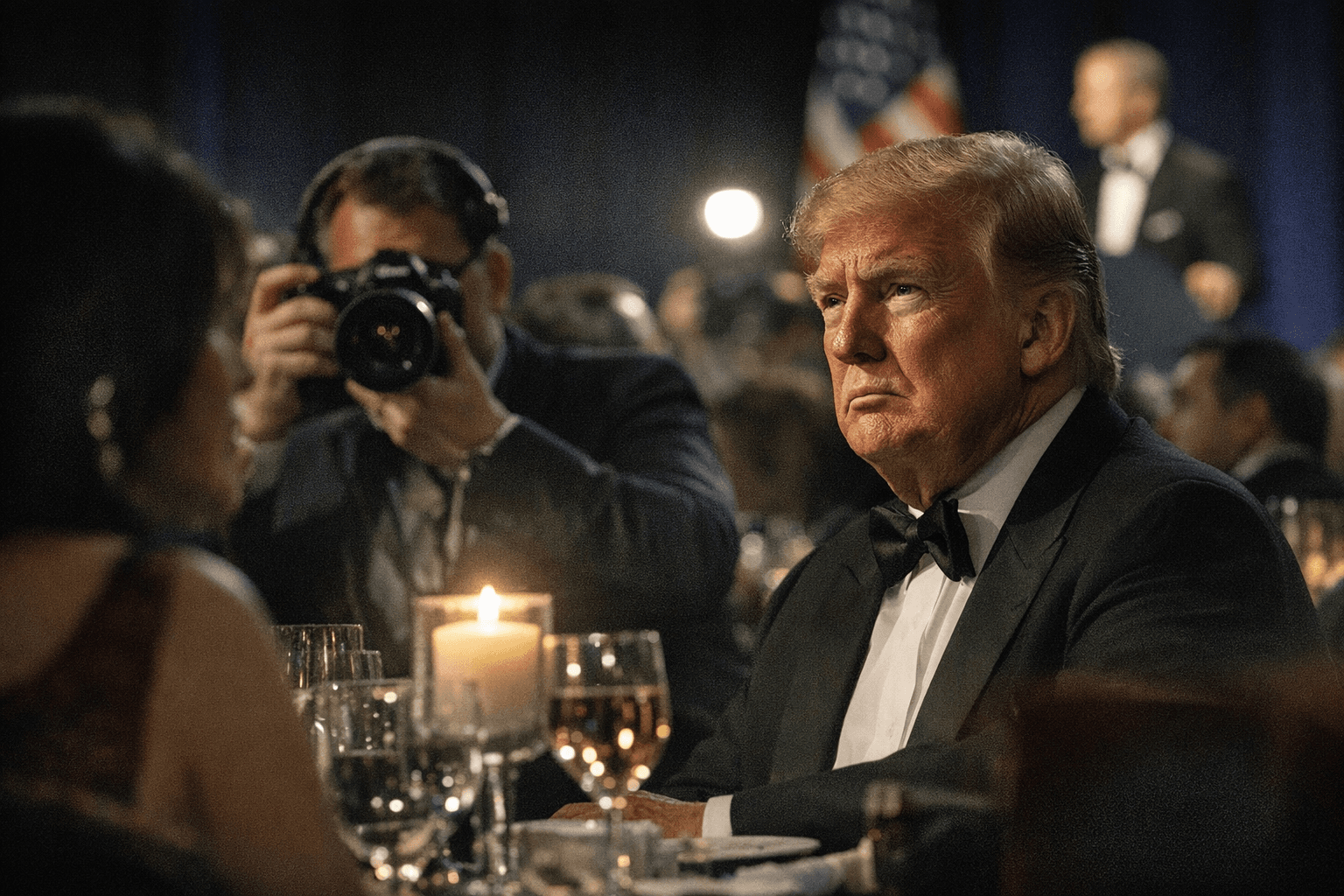
Donald Trump’s decision to attend the White House Correspondents’ Dinner will put the president in the middle of a Washington ritual built to celebrate the free press while depending on access to the very power it scrutinizes.
The black-tie dinner, scheduled for Saturday, April 25, at the Washington Hilton, has long mixed journalism, politics and celebrity in one ballroom. The White House Correspondents’ Association says the event raises money for WHCA scholarships and supports its journalism awards, linking the evening’s pageantry to a pipeline for aspiring reporters and recognition for established ones. The association was founded in 1914, held its first dinner on Saturday, May 7, 1921, and counted Calvin Coolidge as the first president to attend in 1924.
Trump said he would attend the 2026 dinner for the first time as president, after skipping every WHCA dinner during his first term. That alone would make the night notable. The setting makes it more loaded: the event is meant to honor press freedom and robust coverage of the presidency, yet it will now include a president who has repeatedly attacked the media and turned hostility toward reporters into a defining feature of his political brand.
The WHCA had already pulled back from the traditional comedy headliner model. In 2025, it removed Amber Ruffin as the evening’s entertainer and said it was re-envisioning the dinner to emphasize journalism, the First Amendment, scholarships and mentorship. That year’s dinner, held on April 26, 2025, also at the Washington Hilton, drew about 2,600 attendees and went forward without an entertainer or a presidential appearance.
For 2026, the association has chosen mentalist Oz Pearlman to host the evening, a booking that keeps the program closer to spectacle than satire. But the sharper spectacle is political. Trump’s appearance will deepen the scrutiny already surrounding a dinner that has often blurred the line between watchdog journalism and the culture of access that surrounds the White House. Journalists and press-freedom advocates have pressed the WHCA to use the evening to confront Trump’s record with the media, reflecting a broader unease about whether the annual celebration still projects institutional confidence or merely exposes how dependent the press remains on proximity to power.
At a moment when trust in institutions is strained, the dinner will serve as both a fundraiser and a mirror. It will celebrate a press that says it defends the First Amendment, while placing that press in the same room as the president it most often covers and most often challenges.
Know something we missed? Have a correction or additional information?
Submit a Tip