Trump to tout tax cuts in Las Vegas amid economic pain
Trump headed to Las Vegas to sell tax cuts as gas neared $5 a gallon in Nevada and visitor traffic softened, underscoring the gap between policy wins and household strain.
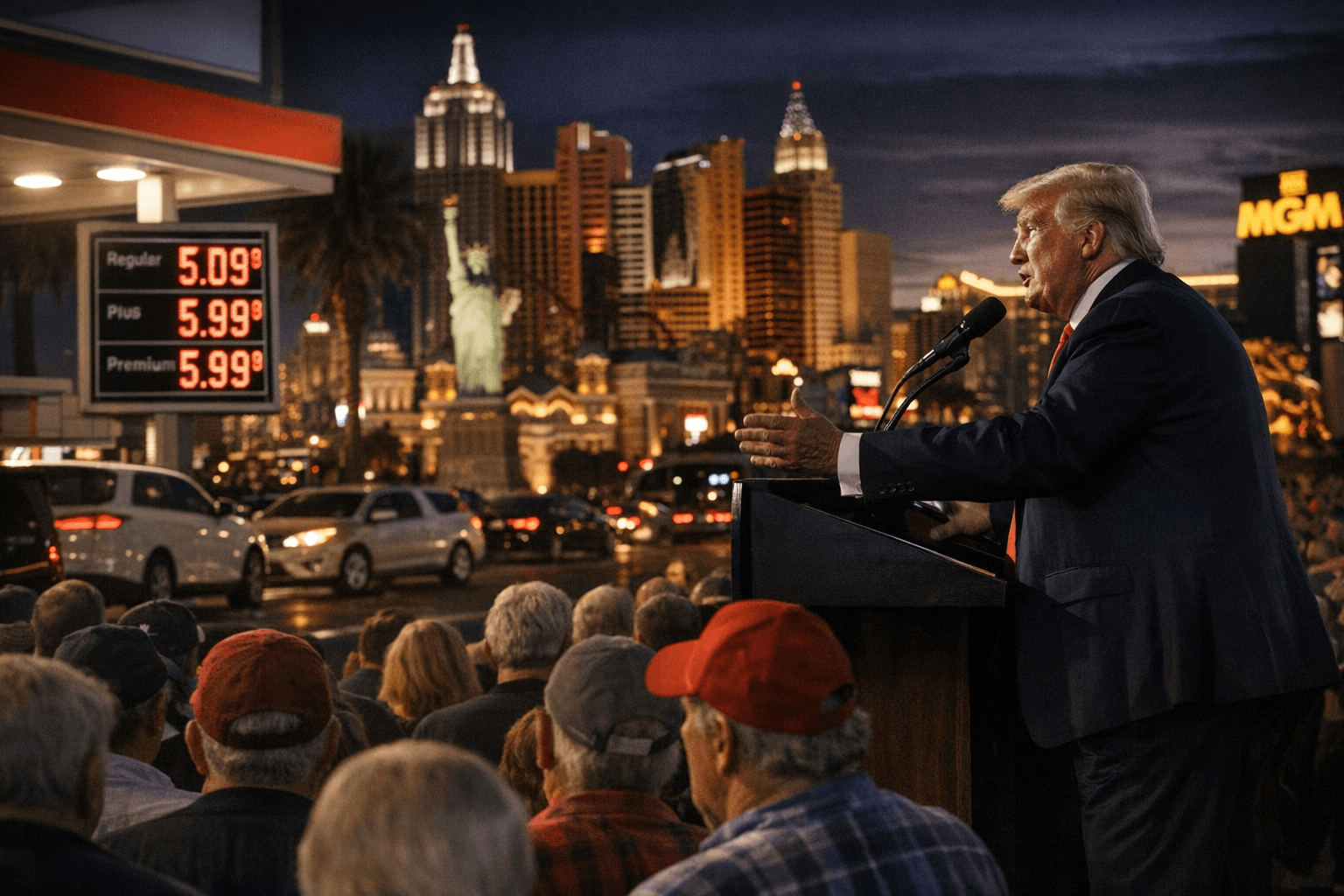
Donald Trump was set to use a trip to Las Vegas to cast his tax agenda as proof that his economic message is working, even as many households in the city still faced higher prices, softer tourism and nagging uncertainty. The president was expected to highlight his “No Tax on Tips” policy and other tax cuts signed into law last year, a pitch aimed at turning fiscal wins into political momentum ahead of the 2026 elections.
The timing sharpened the contrast. Just after Tax Day, the U.S. Department of the Treasury said the average refund this filing season was over $3,400, up 11% from last year, and more than 53 million filers had claimed at least one of Trump’s signature new tax cuts. Treasury said more than 6 million filers had claimed No Tax on Tips, with an average deduction of over $7,100. The Internal Revenue Service says eligible workers may deduct up to $25,000 in qualified tips on their 2025 federal return, with the benefit phasing out above $150,000 in modified adjusted gross income for individuals and $300,000 for joint filers.
But in Las Vegas, where hospitality jobs and gratuities anchor much of the local economy, the everyday cost of getting to work and staying afloat remained high. AAA said Nevada’s average regular gas price was $4.953 on April 16, well above the national average of $4.093, and far higher than the $3.922 drivers paid in the state a year earlier. For casino workers, tipped service employees and renters, that kind of inflation can swallow gains that look larger on a tax form than they do in a monthly budget.
The city’s tourism engine was also showing strain. Las Vegas visitor volume fell 2.2% in January 2026 from a year earlier to about 3.27 million, even as convention attendance rose 6.9% to 672,100. Hotel occupancy slipped to 79.5%, while the average daily room rate climbed to $200.15, up 6.7%. Those numbers matter in Southern Nevada, where the strength of the Strip ripples into wages, tips, lease rates and service-sector hiring.
The political backdrop was no easier. Somos Votantes found Latino voters in Nevada and other battleground states were turning against Trump and Republicans, with his handling of the economy drawing a net negative 30 rating and roughly two-thirds of respondents saying costs had risen a lot over the past year. Nevada is about 28% Latino, according to the U.S. Census Bureau, making affordability not just a talking point but a test of whether targeted tax promises can overcome broader anxiety about the price of living.
This article was produced by Prism’s automated news system from verified source data, official records, and press releases, then run through automated quality and moderation checks before publishing. The system is built and supervised by the people who set the standards it runs under. Read our full AI policy.
Did this article answer your question?

