Trump to visit Beijing in April; Xi expected to visit U.S. late 2026
Trump will travel to Beijing in April 2026 and says Xi will visit the United States later that year, signaling a high-level effort to stabilize strained ties.
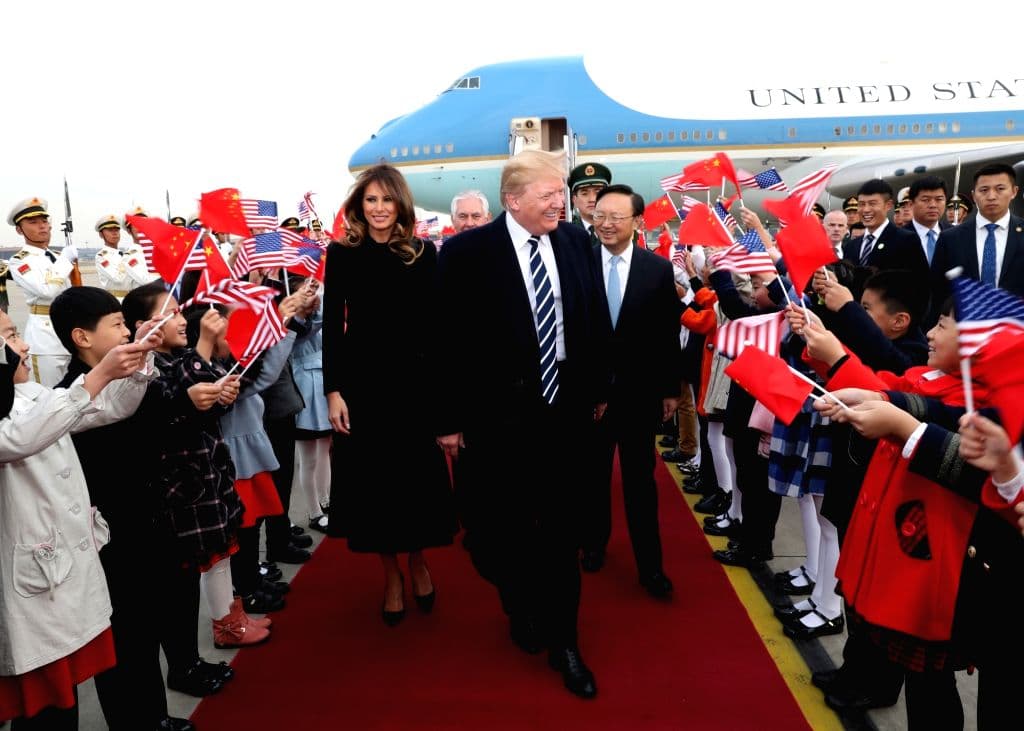
President Donald Trump announced aboard Air Force One that he will travel to Beijing in April 2026 and that Chinese President Xi Jinping is expected to visit the United States toward the end of the year. The comments came as Trump returned from the World Economic Forum in Davos, where he discussed renewed engagement with China as a priority for trade and global stability.
Trump told reporters he looked forward to the meeting, saying, "I look forward to seeing President Xi," and describing the Chinese leader as "an amazing guy" with whom he has "always had a great relationship." He also posted on Truth Social that "President Xi invited me to visit Beijing in April, which I accepted, and I reciprocated where he will be my guest for a State Visit in the U.S. later in the year." Trump suggested the U.S. visit could occur around mid-December 2026, a window that would coincide with a G20 summit he said he plans to host at his Miami golf resort.
The announcement formalizes a sequence of high-level contacts that began with an in-person meeting in late October 2025 in Busan and included a phone call earlier in the week. Officials on both sides have framed the forthcoming exchanges as aimed at reducing bilateral tensions and addressing practical areas of mutual concern, even as deeper strategic competition persists.
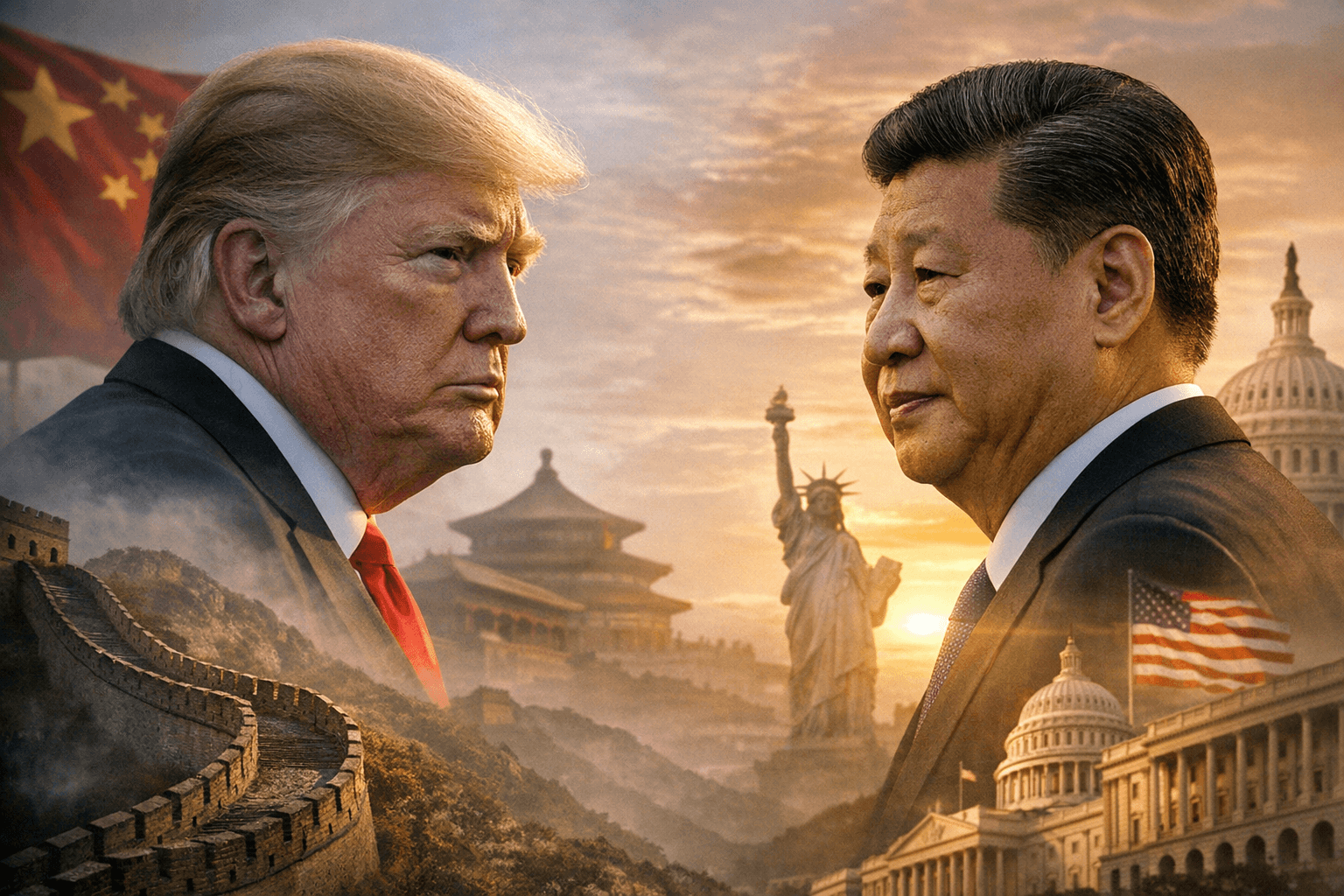
Central to the discussions is trade. Trump and Chinese officials have highlighted renewed Chinese purchases of U.S. soybeans as tangible evidence of improving ties and a boon to American farmers. Reporting and briefings have described a trade framework under discussion that would include sustained soybean purchases and adjustments to Chinese export controls on some rare-earth minerals, with those measures contingent on full compliance by Beijing. Neither side has presented a finalized, enforceable agreement, and details of verification and enforcement remain to be worked out.
Security and geopolitical issues will also feature on the agenda. Trump has cited Russia's invasion of Ukraine and fentanyl trafficking as subjects of recent talks, while both governments have signaled interest in broader economic stability and regional security. Harder, long-running disputes such as technology competition, Taiwan, and tensions in the South China Sea are expected to complicate any effort to achieve a broad rapprochement. Analysts note that leader-level meetings can reset tone and open channels for crisis management, but they rarely erase fundamental strategic divergences.
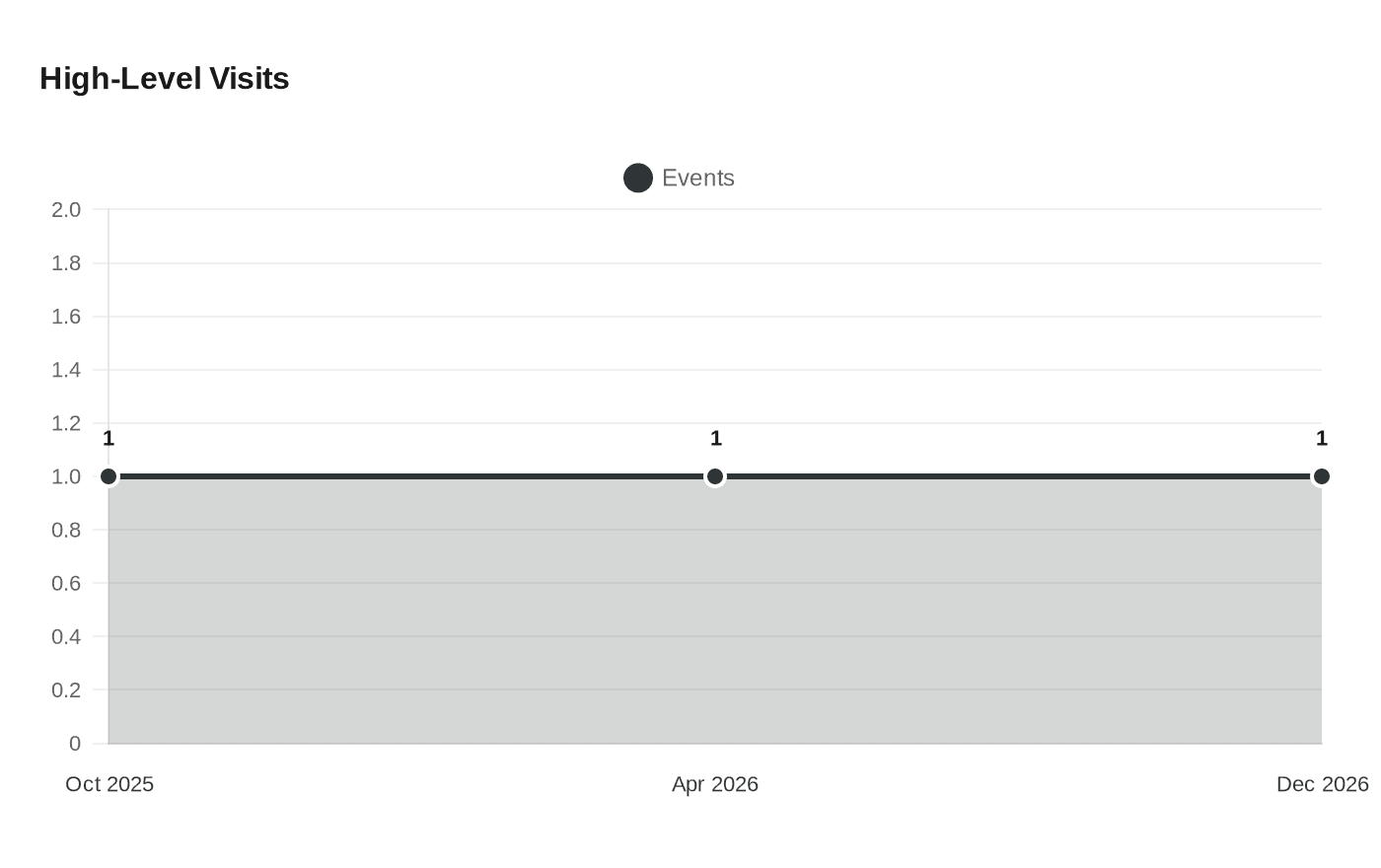
The reciprocal visits carry weight beyond bilateral relations. A Trump trip to Beijing followed by a Xi state visit to Washington would mark the highest level of engagement between the two governments since the administration took office and could shape global markets and diplomatic alignments in 2026. For the United States, the meetings offer political benefits domestically in the run-up to a presidential election cycle, as well as potential leverage on trade and supply-chain issues. For China, hosting a U.S. president and undertaking a reciprocal state visit would underscore Beijing's role in global governance even as it defends core strategic interests.
Officials on both sides will face competing pressures: to demonstrate deliverables such as agricultural purchases and limited trade adjustments, while avoiding concessions that could be portrayed domestically as compromising national security. The coming months will test whether summitry can translate into durable policy shifts or simply produce a managed détente in a relationship marked by competition and interdependence.
This article was produced by Prism’s automated news system from verified source data, official records, and press releases, then run through automated quality and moderation checks before publishing. The system is built and supervised by the people who set the standards it runs under. Read our full AI policy.
Did this article answer your question?

