Trump Touts Energy Dominance While Oil Executives Warn of Supply Crisis
Oil execs at CERAWeek warned of the worst supply disruption in decades as Trump officials called it a "temporary price shock," with the Philippines down to just 45 days of oil supply.
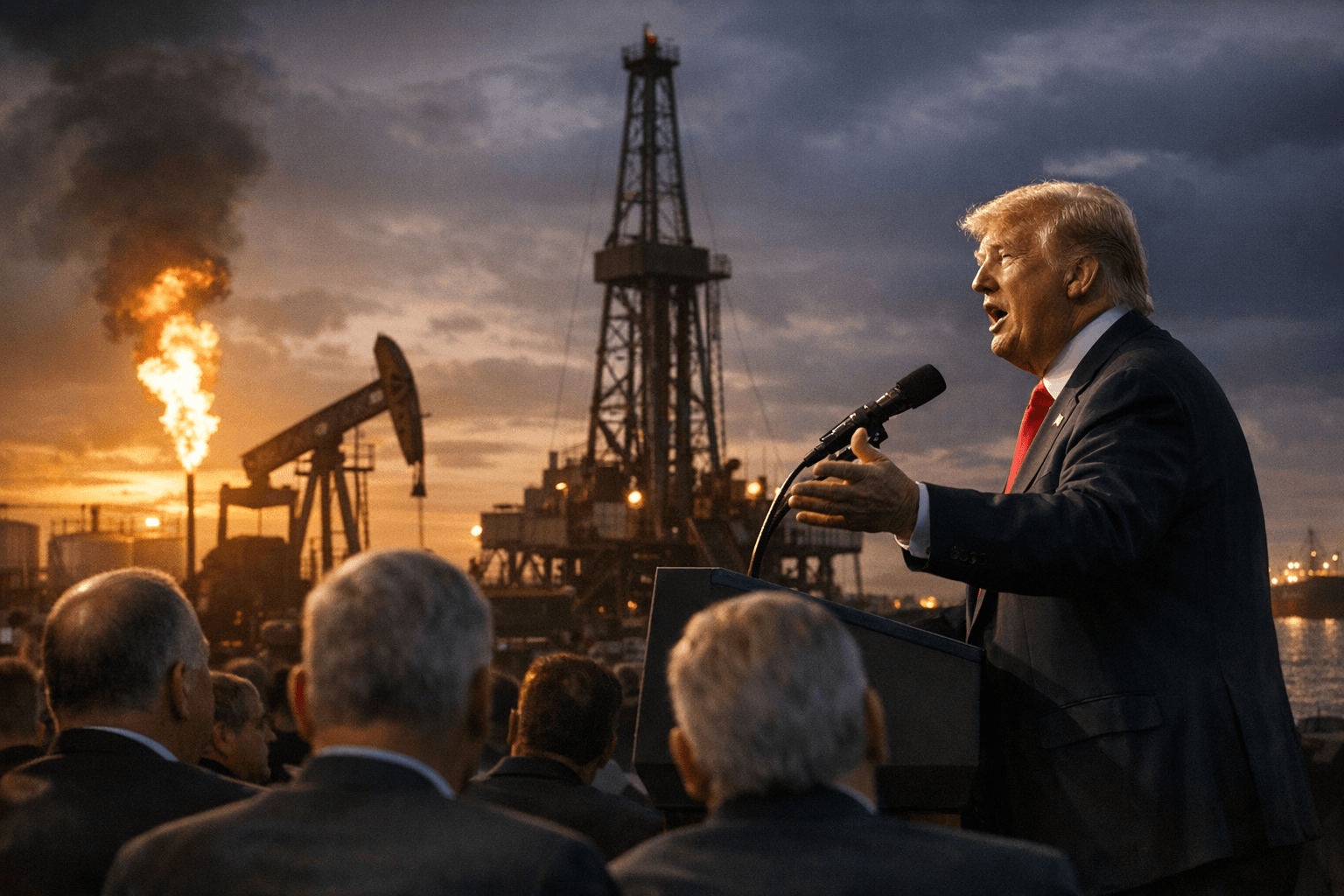
At the CERAWeek energy conference in Houston this week, two sharply divergent visions of the global oil crisis played out on the same stage. U.S. cabinet members projected calm, telling industry leaders that American consumers could absorb a "temporary price shock" and pointing to record domestic production as a cushion against the chaos spreading across Gulf shipping lanes. The executives and foreign government officials seated across from them heard something closer to an alarm.
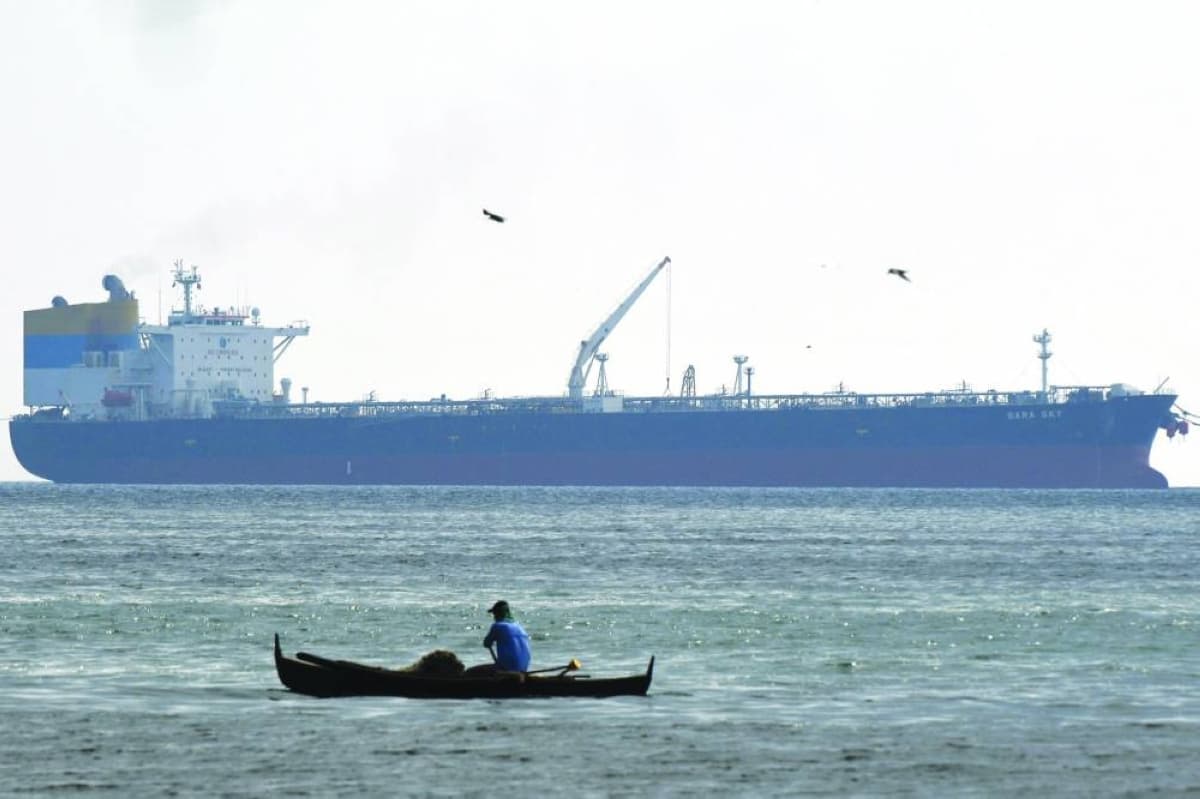
Iran's war with the U.S. has created the worst oil and gas supply disruption in decades, according to executives and government officials from Asia, the Middle East and Europe who attended CERAWeek. The Strait of Hormuz, through which roughly one-fifth of the world's traded oil normally flows, remains effectively blocked as Iran targets traffic through it.
The contrasting messages reflected different political realities: U.S. officials sought to project calm, with Trump having slid in the polls even as he repeatedly said the war is already won and promised the financial pain will be short-lived. But industry leaders pushed back hard on that framing. One executive told reporters the market was "increasingly fragile," warning that short-term price spikes risked becoming structural shortages if production and shipping routes stayed disrupted.
Chevron CEO Mike Wirth said the energy market's tightness from the Strait of Hormuz closure has not yet been fully reflected in forward oil prices. "It will take time to come out of this," Wirth said. Shale producers reinforced the pessimism, warning that crude prices above $100 a barrel would need to stay elevated for months before companies would consider boosting drilling, as most operators have already locked in spending plans for the year.
Crude oil has risen above $100 a barrel and gasoline prices have surged toward $4 a gallon. The pain is registering far beyond American pump prices. The UAE, hit by Iranian missiles and drones, has had to cut oil production because it cannot export through the Strait of Hormuz. Asian governments are weighing work-from-home policies and stimulus measures not seen since the COVID pandemic. Japan's Vice Minister for International Affairs, Takehiko Matsuo, said emergency efforts were "not enough" to ease market strain. Tokyo asked the International Energy Agency for an additional release from strategic petroleum reserves, began subsidizing soaring gasoline prices, and is considering intervening in oil futures markets to support the yen.
The Philippines declared a state of emergency, with the country holding just 45 days of oil supply as of March 20.
For the Trump administration, the political calculus behind the "energy dominance" messaging is clear: emphasizing U.S. production strength blunts domestic fallout over rising prices. But that framing requires setting aside what the private sector is actually pricing in. Insurers and tanker owners have already adjusted routes and surcharges in response to contested shipping lanes. Officials are also considering using the U.S. Navy to escort oil tankers through the Strait of Hormuz and are negotiating with countries heavily reliant on Middle East crude to form a coalition to police the waterway. If diplomacy or military deterrence fails to reopen the strait, the multi-month shortfall that energy executives are warning about will graduate from forecast to fact, with ripple effects across refining, petrochemicals and transport sectors that no volume of domestic shale output can fully offset.
Know something we missed? Have a correction or additional information?
Submit a Tip